Reflectors are important optical and thermal components in equipment such as industrial infrared heaters, UV curing systems, semiconductor processing equipment, medical optical devices, and high-power laser systems. Their job is not simply to reflect light. They also help control the direction and distribution of energy, so the material used for the reflector can directly affect optical accuracy, operating stability, and service life.
As industrial equipment continues to move toward higher power, greater precision, and longer operating cycles, reflector materials face increasingly demanding conditions. Aluminum remains a practical choice for many conventional applications, but its performance can become less stable when exposed to prolonged high temperatures, intense UV radiation, or corrosive environments.
High-purity alumina ceramic reflectors offer a different performance profile. Their excellent temperature resistance, dimensional stability, and chemical resistance make them particularly suitable for applications where the reflector needs to maintain its shape and optical performance over extended periods.
So, which material should you choose: ceramic or aluminum?
There is no universal answer. The right choice depends on the operating temperature, optical requirements, operating time, environmental conditions, and overall equipment budget. The following comparison looks at the differences from a practical engineering and lifecycle perspective.
1. Material Properties Determine Where Each Reflector Works Best
Aluminum reflectors remain one of the most common reflective components used in industrial equipment. Their main advantages are low weight, relatively simple machining, and lower manufacturing cost.
With suitable polishing, anodizing, or surface treatment, aluminum can provide high mirror reflectivity and good overall performance. This makes it a cost-effective option for general lighting, household heating equipment, and industrial systems operating under moderate temperatures.
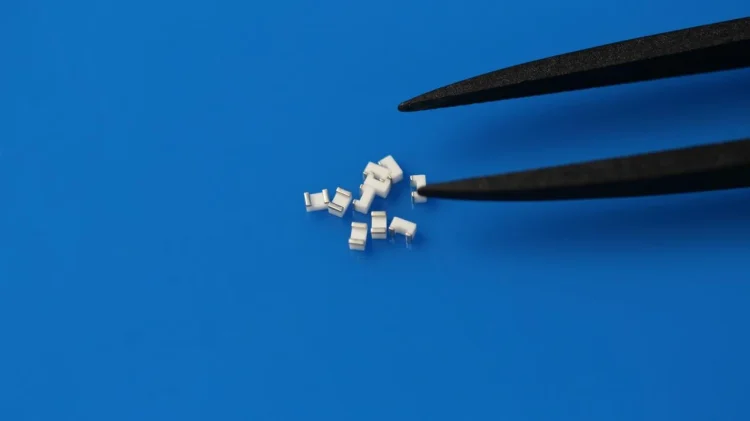
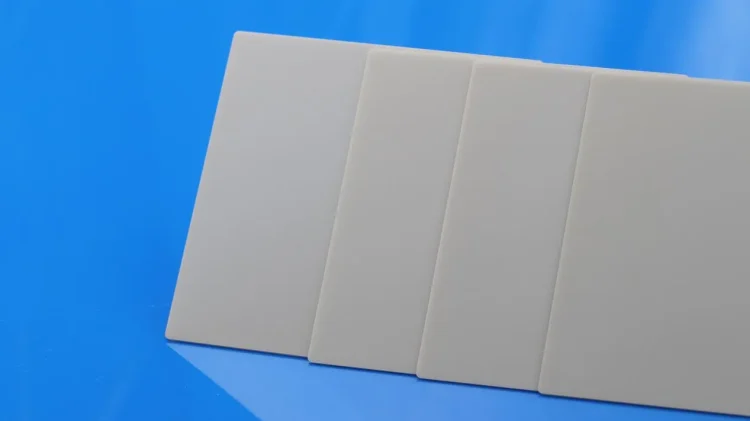
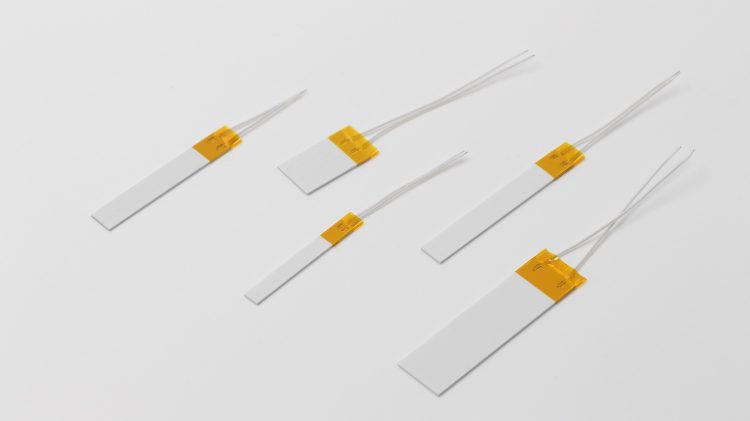
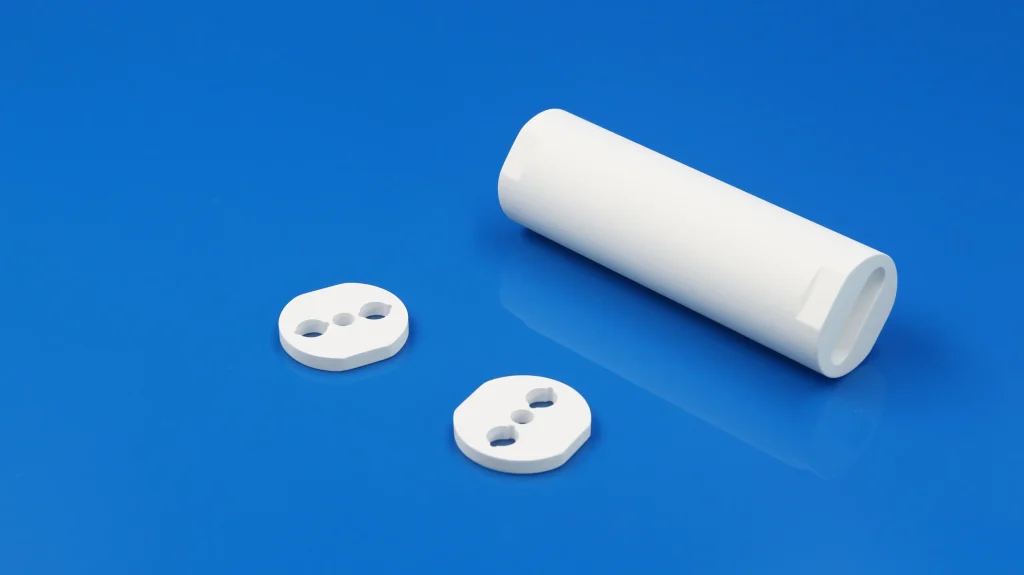
Ceramic reflectors are generally manufactured from high-purity alumina, often with Al₂O₃ content above 99%. Unlike aluminum, alumina ceramic has very low thermal expansion and provides excellent electrical insulation and chemical resistance.
These characteristics allow ceramic reflectors to maintain their geometry and surface properties under prolonged exposure to high temperatures. As a result, they are commonly considered for UV equipment, semiconductor processing systems, high-power lasers, and medical optical equipment.
The important point is that ceramic is not simply a replacement for aluminum. Each material has its own suitable operating range, and material selection should be based on the actual requirements of the equipment.
2. Long-Term High-Temperature Operation Highlights the Difference
When a reflector is new and operating under normal conditions, aluminum and ceramic may both provide satisfactory reflective performance. The difference becomes much more noticeable after prolonged operation.
Aluminum Reflectors
Aluminum has good thermal conductivity, which helps dissipate heat. However, its coefficient of thermal expansion is significantly higher than that of alumina ceramic.
During repeated or continuous high-power operation, thermal expansion and contraction can gradually affect the dimensions of the reflector or surrounding structure. In precision optical systems, even small dimensional changes may influence the position and distribution of the reflected beam.
Surface conditions are another consideration. Prolonged exposure to heat, UV radiation, ozone, or corrosive media can gradually affect the aluminum surface or its protective coating. As the surface condition changes, optical performance may also become less consistent, potentially increasing the need for cleaning, maintenance, or optical recalibration.
Alumina Ceramic Reflectors
High-purity alumina has a relatively low coefficient of thermal expansion and good resistance to thermal cycling. A properly sintered ceramic reflector can maintain its shape through repeated heating and cooling cycles.
This dimensional stability is particularly valuable in applications where the optical path must remain consistent, such as UV curing systems, laser equipment, and semiconductor processing equipment.
Alumina is also naturally resistant to oxidation and many chemical environments. Because the reflective structure does not rely on the same type of metal surface protection as an aluminum reflector, ceramic can offer more stable long-term performance in certain high-temperature or UV-intensive environments.
3. Consider Total Cost of Ownership, Not Just Purchase Price
The initial purchase price is often an important consideration when selecting reflector materials. However, for equipment designed to operate continuously for years, the purchase price alone does not tell the whole story.
Aluminum: Lower Initial Cost
Aluminum reflectors generally have a lower upfront cost and are relatively easy to manufacture and process. For equipment operating at moderate temperatures or for applications with limited operating cycles, this can make aluminum an economical solution.
Under more demanding conditions, however, additional costs may arise from reflector replacement, surface deterioration, equipment downtime, cleaning, and optical recalibration.
Ceramic: Higher Initial Cost, Longer-Term Stability
Ceramic reflectors typically involve higher manufacturing and processing costs. However, their resistance to high temperatures, chemical exposure, and dimensional changes can provide a longer service life in demanding environments.
For automated production lines, continuously operating equipment, and systems where optical stability is critical, reducing maintenance and replacement frequency can offset the higher initial component cost.
For this reason, the better comparison is often total lifecycle cost rather than purchase price alone.
4. Material Selection Should Follow the Application
The appropriate reflector material depends on the actual operating conditions of the equipment, including temperature, exposure time, optical precision, environmental conditions, and budget.
Common Material Selection Guidelines
| Application Scenario | Common Choice | Main Reason |
|---|---|---|
| General lighting, household heating, low-temperature drying equipment | Aluminum Reflector | Lower cost and sufficient performance for standard operating conditions |
| UV curing equipment, UV disinfection systems | Ceramic Reflector | Good resistance to UV and ozone environments with stable long-term performance |
| Semiconductor photolithography and coating equipment | Ceramic Reflector | Good dimensional stability for applications requiring consistent optical alignment |
| High-power laser systems | Ceramic Reflector | High-temperature resistance and electrical insulation for high-energy-density environments |
| Continuous industrial infrared heating | Ceramic Reflector | Maintains stable performance during prolonged high-temperature operation |
| Medical optical and inspection equipment | Ceramic Reflector | Good chemical stability and suitability for demanding cleanliness requirements |
| Medium- and low-temperature equipment with intermittent operation | Aluminum Reflector | Lower overall cost and good cost-effectiveness |
The table should be treated as a general engineering reference rather than an absolute rule. The final material selection should still be based on the actual working conditions and equipment design.
5. How Do You Know Which Reflector Is Right for Your Equipment?
A practical way to make the decision is to start with the operating environment rather than the component price.
If the equipment operates continuously at high temperature, experiences frequent thermal cycling, or requires tight control of beam position and energy distribution, an alumina ceramic reflector is generally worth considering. The material’s thermal stability and resistance to environmental degradation can help maintain more consistent performance over time.
If the equipment mainly operates at medium or low temperatures, runs intermittently, and does not have particularly demanding dimensional or optical stability requirements, aluminum can remain a reliable and economical option.
In other words, neither material is inherently “better.” The more useful question is whether the reflector material can maintain the required performance throughout the expected operating conditions and service life of the equipment.
About INNOVA Supplies
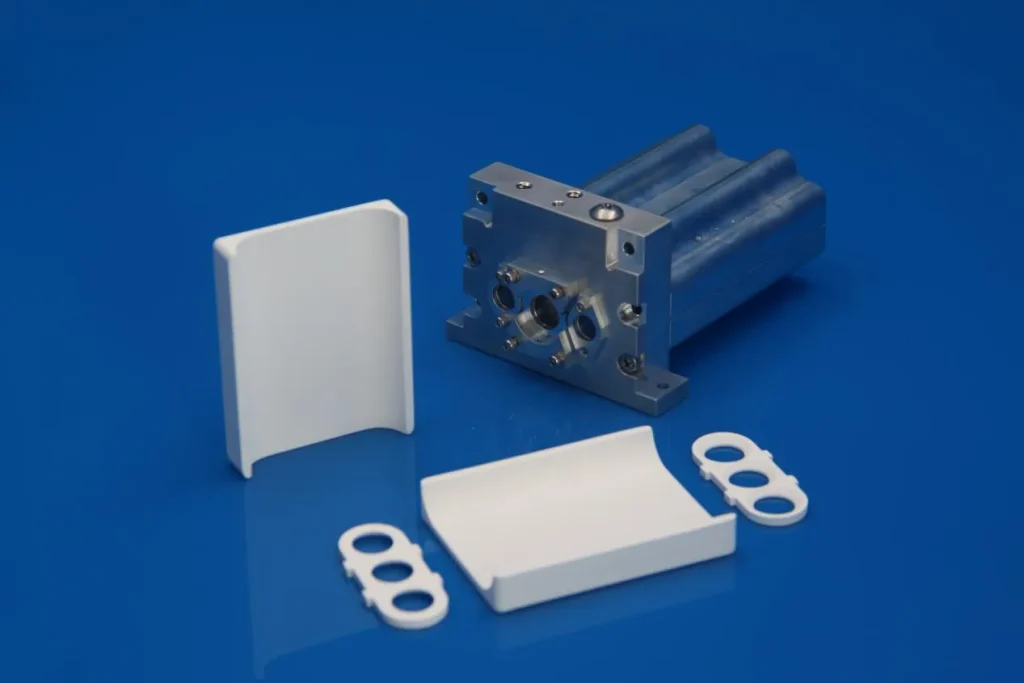
INNOVA Supplies focuses on the development and manufacturing of advanced ceramic components for industrial applications. We provide high-purity alumina ceramic reflectors as well as customized precision ceramic components for different equipment and process requirements.
Our ceramic reflectors can be used in applications including UV curing equipment, semiconductor processing systems, laser equipment, medical optics, and high-temperature industrial heating.
For projects where reflector material, geometry, dimensional stability, or operating temperature needs to be carefully considered, our engineering team can provide customized solutions based on the actual application requirements.
If you are evaluating ceramic and aluminum reflectors for a new design or looking for a customized ceramic reflector, please contact us at info@innovasupplies.com.