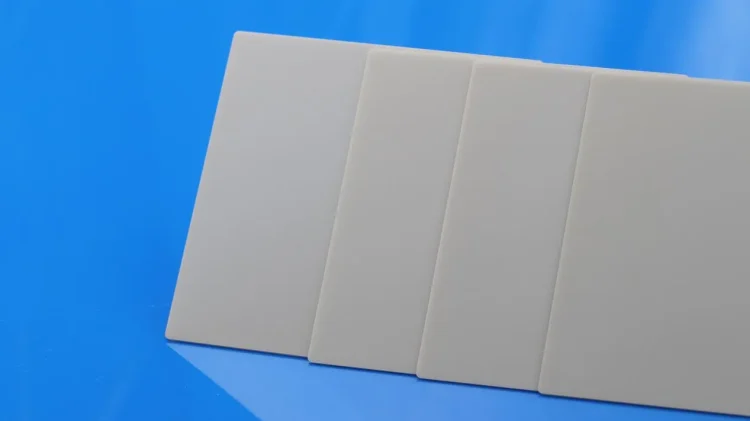
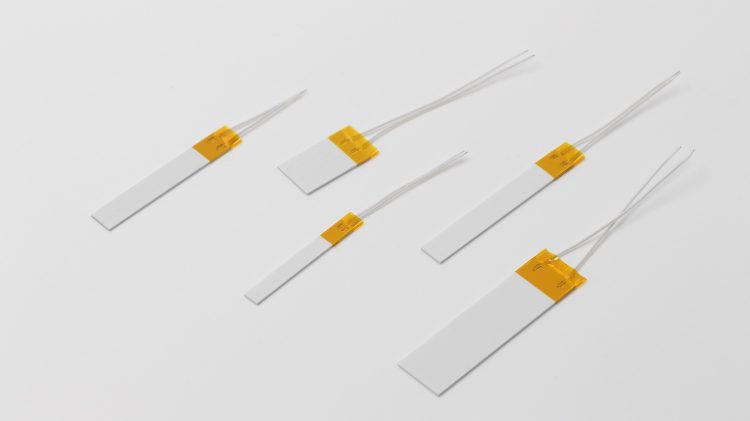
As industrial heating systems and biomass combustion equipment continue to evolve, ceramic igniters have become a preferred alternative to traditional nichrome wire heating elements. Compared with conventional resistance heating, ceramic heating technology offers faster heat-up times, improved energy efficiency, and longer service life.
Among the available ceramic heating technologies, PTC (Positive Temperature Coefficient) heaters and MCH (Metal Ceramic Heater) igniters are the two most widely used solutions. Although both convert electrical energy into heat, they differ significantly in material composition, operating principles, temperature capabilities, and application ranges. Understanding these differences is essential when selecting the right heating solution for a specific industrial application.
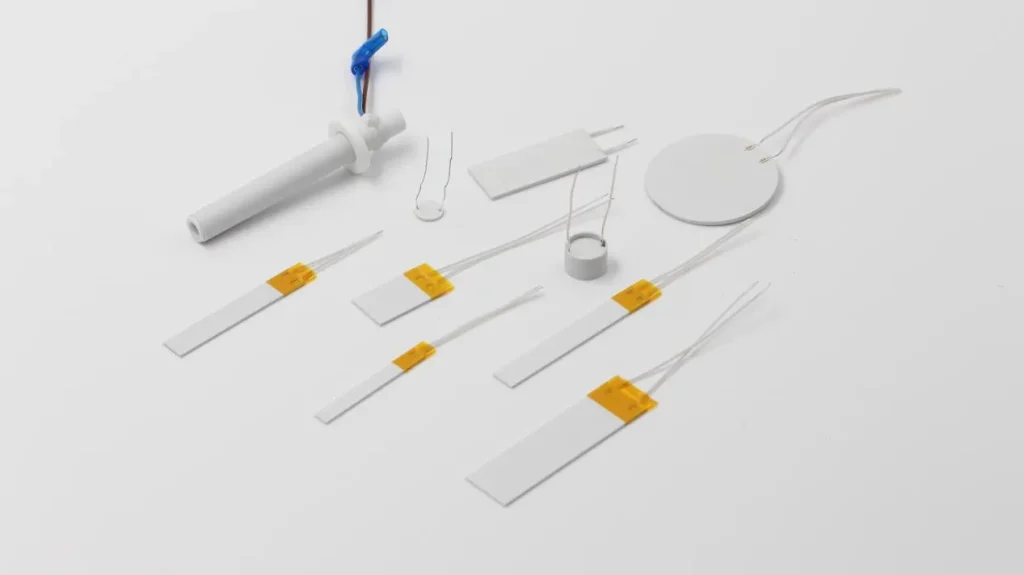
I. How PTC Ceramic Heaters Work
PTC heating elements use barium titanate (BaTiO₃) semiconductor ceramics as the heating material. Their defining characteristic is that electrical resistance increases rapidly once a specific temperature is reached.
The heating process typically follows three stages:
- Cold start: Low resistance allows high current, producing rapid initial heating.
- Temperature rise: As the element heats up, resistance increases automatically, reducing current and power output.
- Thermal equilibrium: The heater stabilizes within a predefined temperature range without requiring complex external control.
Because of this self-regulating behavior, PTC heaters offer inherent over-temperature protection and simple system design.
However, their operating temperature is naturally limited. Most standard PTC elements work reliably between 250°C and 300°C, while temperatures above approximately 350°C may lead to resistance drift or material degradation. As a result, PTC technology is best suited for low- and medium-temperature heating rather than high-temperature ignition.
II. How MCH Ceramic Heaters Work
MCH (Metal Ceramic Heater) technology combines ceramic materials with embedded metal heating circuits in a monolithic structure produced through high-temperature co-firing.
A typical MCH heater consists of:
- High-purity alumina (Al₂O₃) or silicon nitride (Si₃N₄) ceramic substrate
- Screen-printed metal resistance circuits using refractory metals such as tungsten, molybdenum, or manganese
During manufacturing, multiple ceramic green sheets and printed heating circuits are laminated together and sintered into a dense integrated heating element.
For demanding industrial ignition systems, silicon nitride substrates are often selected to provide greater thermal shock resistance and improved mechanical reliability.
Typical performance characteristics include:
- High power density of approximately 30–50 W/cm²
- Rapid heating, capable of reaching temperatures above 700°C within a short period
- Stable operating temperatures between 700°C and 1000°C
- Uniform heat distribution with high thermal efficiency
- Excellent oxidation resistance due to the fully encapsulated heating circuit
Unlike PTC heaters, MCH elements do not provide self-regulating temperature control. Accurate temperature management is achieved through external controllers or protection circuits, enabling precise control for industrial processes.
III. Performance Comparison: PTC vs. MCH
The differences between the two technologies become more apparent when evaluated in industrial applications.
| Comparison | PTC Ceramic Heater | MCH Ceramic Heater |
|---|---|---|
| Heating speed | Moderate | Very fast, capable of reaching approximately 700°C in around 30 seconds |
| Operating temperature | Up to 300°C | Typically 700–1000°C |
| Temperature control | Self-regulating | External control required |
| Power density | Relatively low | High, suitable for compact equipment |
| Safety | Built-in over-temperature protection | Depends on external control and protection systems |
| Service life | May experience resistance drift after long thermal cycling | Excellent long-term stability and oxidation resistance |
| Energy efficiency | Suitable for constant-temperature heating | Higher thermal efficiency for high-temperature applications |
IV. Selecting the Right Heating Technology
Industrial ignition systems—including pellet stoves, biomass burners, and gas-fired combustion equipment—typically require:
- Rapid temperature rise
- Stable operation at 700–1000°C
- Reliable performance during frequent start-stop cycles
- Compact designs for easier equipment integration
For these applications, MCH ceramic igniters generally provide the better solution. Their high power density and rapid thermal response help shorten ignition time while improving combustion efficiency and reducing energy consumption.
PTC heaters, by comparison, are better suited for applications where moderate temperatures and automatic temperature regulation are more important than maximum heating performance.
V. Typical Applications
PTC Ceramic Heaters
PTC technology is commonly used in medium- and low-temperature heating systems, including:
- Air heaters
- Automotive auxiliary heating systems
- Household heating appliances
- Liquid warming equipment
- Constant-temperature control devices
MCH Ceramic Igniters
MCH heaters are designed for high-temperature industrial applications, such as:
- Pellet stove igniters
- Biomass boiler ignition systems
- Industrial gas burners
- High-temperature heating equipment
- Precision thermal processing systems
VI. Industry Trends
Growing investment in clean energy, biomass combustion, and carbon reduction technologies is driving demand for faster, more reliable ignition systems.
As industrial equipment continues to evolve toward higher efficiency and longer operating life, traditional resistance-wire heaters and conventional PTC solutions are becoming less suitable for applications that require sustained high-temperature performance.
Consequently, MCH ceramic ignition technology has gained increasing adoption across industrial combustion systems due to its high operating temperature, rapid response, and structural reliability.
At the same time, material development is progressing from conventional alumina substrates toward high-performance silicon nitride (Si₃N₄) ceramics, offering even greater thermal shock resistance and durability for demanding operating environments.
VII. Conclusion
PTC and MCH ceramic heating technologies are designed for different operating requirements rather than directly competing with one another.
PTC heaters are ideal for applications requiring safe, self-regulating heating below 300°C, while MCH ceramic heaters excel in high-temperature environments where fast heating, high power density, and long-term reliability are essential.
As biomass energy systems, industrial combustion equipment, and clean heating technologies continue to develop, demand for advanced ceramic ignition solutions is expected to grow steadily.
INNOVA Supplies provides customized MCH ceramic igniters using both alumina and silicon nitride substrates. Heating power, dimensions, and electrical connection configurations can all be tailored to specific application requirements. Our ceramic igniters are widely used in pellet stoves, biomass combustion systems, and industrial high-temperature ignition equipment.
For more information or technical support, please contact info@innovasupplies.com.