Introduction
Films are widely used in modern industry and daily life, including smartphone screen protectors, food packaging films, lithium battery separators, medical sterile films, and flexible electronic films. Most of these materials are extremely thin—sometimes only a few micrometers thick. At this scale, even minor cutting errors can easily cause burrs, tearing, or edge deformation, directly affecting product quality and downstream performance.
This is where zirconia blades play an essential role, enabling stable and precise cutting in high-demand film processing applications.
What Is a Zirconia Blade?
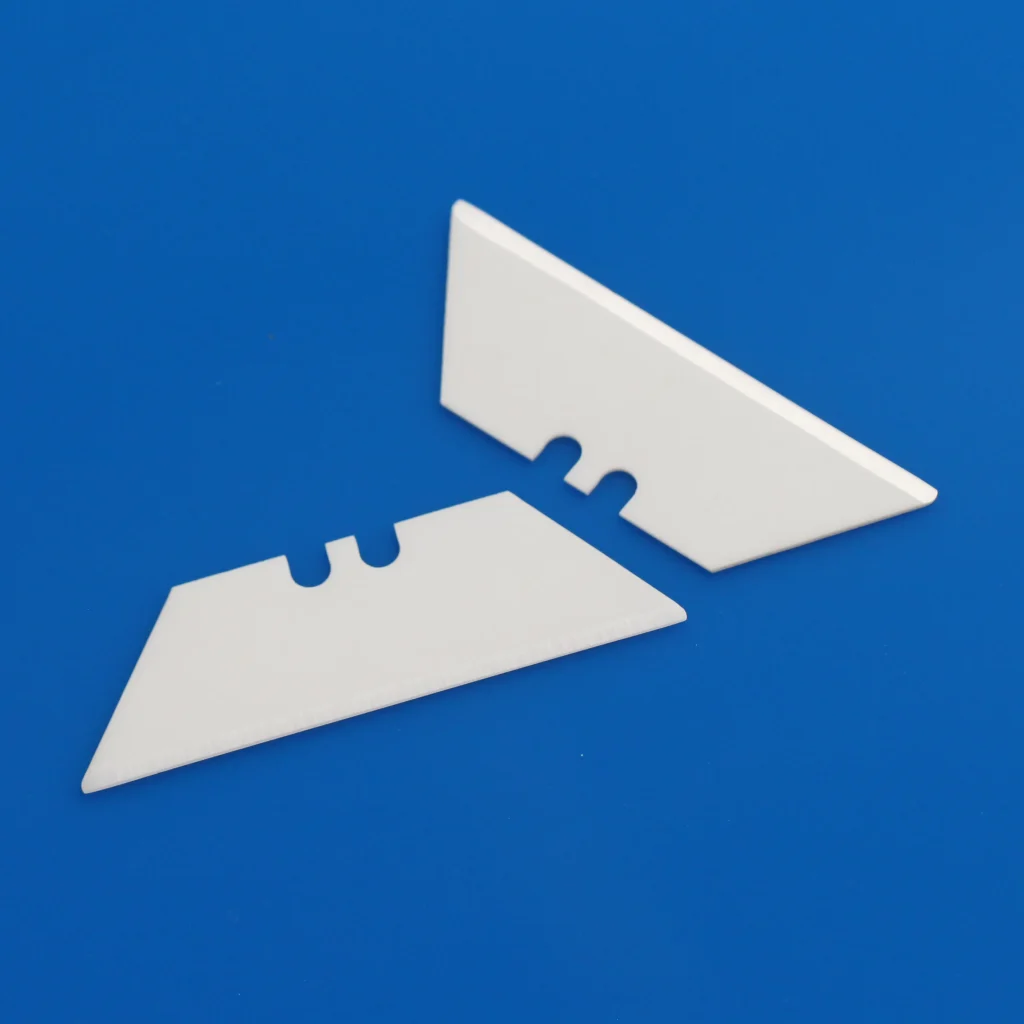
A zirconia blade is made from zirconia ceramic, an advanced inorganic non-metallic material with high hardness and toughness.
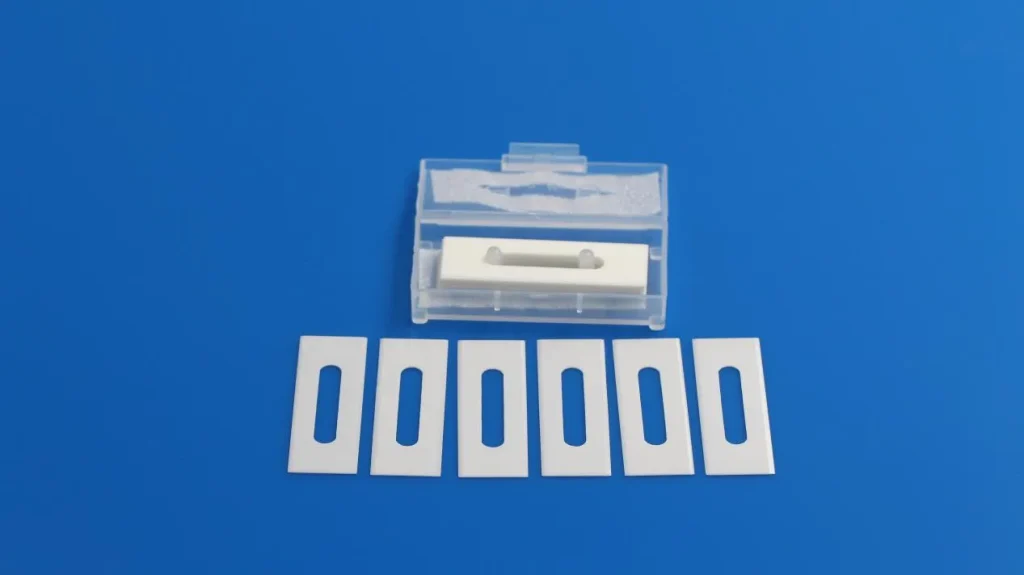
Compared with traditional ceramics, zirconia is not brittle in the conventional sense. Through precision sintering and grinding, it achieves:
- Ultra-sharp cutting edges
- Fine and dense microstructure
- Stable mechanical performance
- Excellent chemical resistance
It also features:
- High wear resistance
- Corrosion resistance
- Non-magnetic properties
- Rust-free performance
These properties make it ideal for precision film slitting applications.
Key Advantages of Zirconia Blades
1. Clean and Burr-Free Cutting
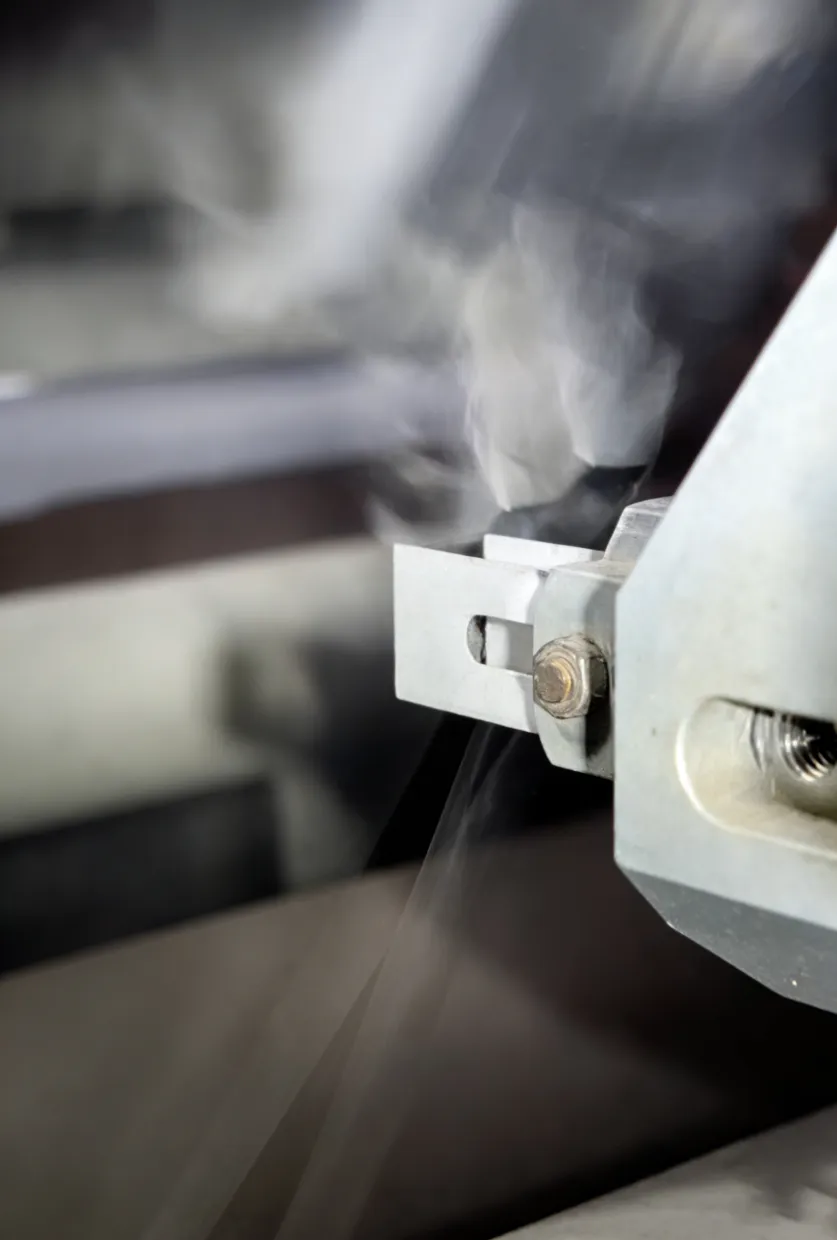
Zirconia blades are ground to micrometer-level edge accuracy. This allows them to cut thin films smoothly without dragging, tearing, or leaving burrs. Even ultra-thin materials such as 5 μm battery separators can be processed cleanly.
2. High Wear Resistance and Long Service Life
With hardness second only to diamond, zirconia blades offer wear resistance 10–20 times higher than stainless steel. One blade can replace dozens of conventional metal blades, maintaining stable cutting quality over long production cycles.
3. Non-Magnetic and Corrosion-Resistant
Zirconia does not rust or oxidize and is completely non-magnetic. This makes it suitable for sensitive applications such as electronics and medical films, where contamination or magnetic interference must be avoided.
4. Improved Safety and Mechanical Stability
Although ceramic-based, zirconia has enhanced toughness compared with traditional ceramics. It resists chipping and breaking during operation, improving both safety and production continuity.
Application Industries
Electronics Industry
Used for:
- Flexible circuits
- PET screen protectors
- OLED flexible display films
These applications require extremely high precision and clean edges.
New Energy Industry
Used in:
- Lithium battery separator cutting (10–20 μm)
Ensures burr-free edges, preventing internal short circuits and improving battery safety.
Packaging Industry
Used for:
- PE, PP, PVC packaging films
Supports high-speed production with smooth, aesthetic cutting edges and stable sealing performance.
Medical Industry
Used for:
- Sterile medical films
- Medical dressing materials
Ensures contamination-free processing, meeting strict hygiene and safety standards.
Conclusion
Zirconia blades solve the core contradictions in film cutting: precision vs durability and sharpness vs stability. They outperform conventional metal blades in wear resistance and cutting quality while avoiding the brittleness issues of traditional ceramics.
From consumer electronics to lithium batteries and medical materials, zirconia blades operate quietly behind the scenes, ensuring consistent precision in modern industrial production.