When sourcing ceramic substrates, buyers need to decide whether to purchase bare ceramic blanks or substrates with a metallized layer already in place. The right choice depends on the substrate material, the intended application, and the processing steps that follow.
A bare ceramic substrate may be suitable when metallization or circuit fabrication will be carried out separately. A metallized substrate, on the other hand, may be a better fit when the project requires a defined metal layer for subsequent patterning, bonding, or assembly.
Neither option is universally better. Before placing an order, it is worth clarifying the following points.
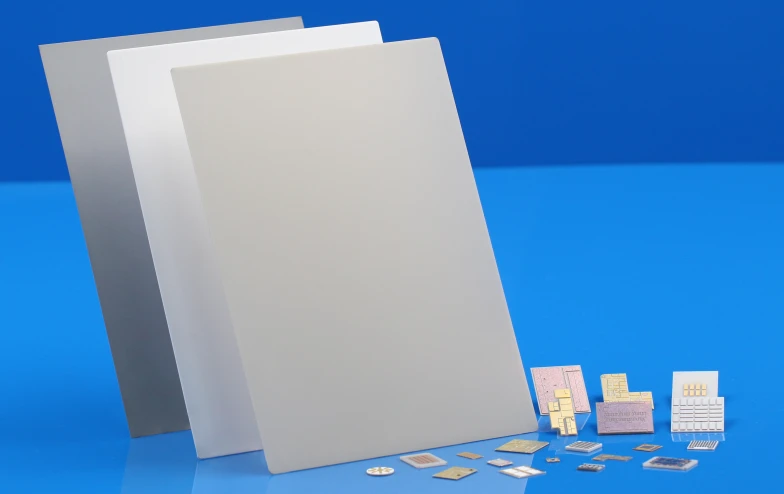
Bare vs Metallized Ceramic Substrates
1. Confirm the Required Processing Stage
The first step is to determine what condition the ceramic substrate needs to be in when it arrives.
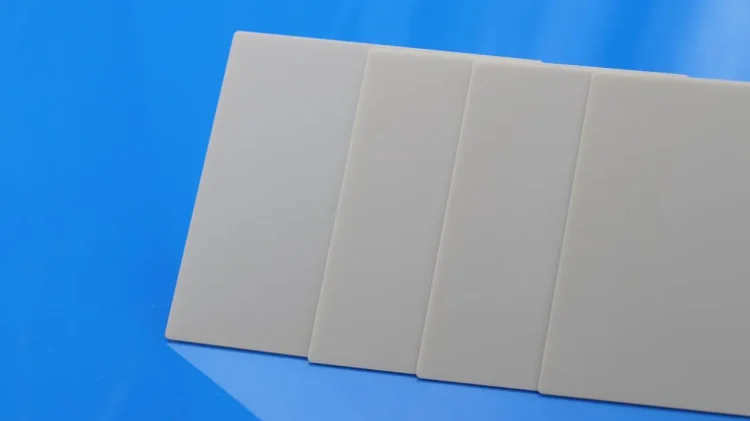
Bare ceramic substrates provide an insulating base without a pre-applied metal layer. They may be used in applications where the customer carries out subsequent metallization, circuit fabrication, or other processing through an established production route.
Metallized ceramic substrates have conductive metal layers applied to specified surfaces or areas. Depending on the product and process, these layers may serve as the basis for circuit patterns, electrical connections, or bonding to other components.
Before requesting a quotation, confirm whether the project requires a bare ceramic substrate, a substrate with a continuous metal layer, or a finished substrate with a defined circuit pattern. These are different processing stages and should not be treated as interchangeable products.
It is also important to clarify which operations will be handled by the substrate supplier and which will be completed during downstream manufacturing. This helps avoid unnecessary processing, unclear responsibilities, and mismatches between the delivered product and the next production step.
2. Match the Metallization Process to the Application
When a metallized substrate is required, the process should be selected according to the material combination, circuit design, and operating conditions.
Several metallization technologies are used in ceramic substrate manufacturing, but their functions and process requirements differ.
| Process | Key Considerations |
|---|---|
| Direct Plated Copper (DPC) | Copper layer thickness, circuit pattern accuracy, adhesion, and dimensional requirements |
| Direct Bonded Copper (DBC) | Ceramic-to-copper bonding, copper thickness, substrate structure, and thermal cycling requirements |
| Active Metal Brazing (AMB) | Brazing system, ceramic-to-metal bonding quality, and reliability under the intended operating conditions |
| Thick-Film Metallization | Conductive paste selection, printed pattern accuracy, firing conditions, and metal-layer adhesion |
The suitability of each process depends on the substrate material and the requirements of the finished component. For example, a substrate intended for power electronics may have different copper thickness and thermal reliability requirements from one used for a fine-pattern electronic circuit.
Buyers should therefore specify the intended application and required metal-layer structure rather than requesting metallization without further details. If the process has already been defined by the product design, the supplier should confirm whether the requested material and specifications are compatible with that process.
3. Review the Technical Specifications Before Ordering
Material grade alone is not enough to determine whether a ceramic substrate will fit a particular application. The dimensional and surface requirements must also be suitable for subsequent processing and assembly.
Depending on the product, the main specifications to confirm may include:
- Ceramic material and thickness: These affect the substrate’s electrical, thermal, and mechanical characteristics.
- Overall dimensions and tolerances: These determine whether the substrate fits the intended tooling, circuit layout, or assembly.
- Flatness and surface condition: These may influence bonding, printing, metallization, and contact with other components.
- Metal-layer thickness and coverage: These should match the electrical, thermal, and mechanical requirements of the design.
- Circuit pattern and positioning: For patterned substrates, line dimensions, spacing, and registration may be critical.
- Surface finish and additional processing: These should be specified when required by the subsequent joining or assembly process.
Not every application requires the same level of precision. Tolerances should be established according to functional requirements and the capabilities of the downstream process.
Overly restrictive specifications can increase manufacturing and inspection costs, but tolerances that are too loose may lead to assembly problems or inconsistent performance. Reviewing critical dimensions and acceptance criteria before production helps establish requirements that are both practical and technically appropriate.
4. Compare the Total Cost, Not Just the Unit Price
A bare ceramic substrate may have a lower purchase price, but the overall cost also depends on the additional processing required after delivery. A metallized substrate may cost more initially, while reducing the number of processing steps that the buyer needs to arrange separately.
A meaningful comparison should consider the costs associated with the entire procurement and manufacturing route, including:
- Substrate material and forming
- Metallization or additional surface processing
- Circuit patterning and dimensional finishing, where required
- Incoming inspection and process verification
- Handling, transportation, and production coordination
- Potential scrap or rework caused by process incompatibility
These costs vary from project to project. For example, if a manufacturer already has a qualified metallization line, purchasing bare substrates may fit its existing workflow. If the required metal layer involves specialized processing that the manufacturer does not perform in-house, sourcing metallized substrates from a qualified supplier may be more practical.
The important point is to compare products at equivalent stages of completion. A quotation for a bare ceramic blank should not be compared directly with one for a finished, patterned substrate without accounting for the additional work included in the latter.
5. Evaluate Supplier Capabilities and Quality Requirements
The supplier’s capabilities should match the product being purchased. A supplier experienced in producing bare ceramic substrates may not necessarily offer the specific metallization process or circuit fabrication required by a particular project.
Before placing an order, buyers should confirm the supplier’s experience with the relevant ceramic material, dimensions, and processing route. For metallized products, it is useful to understand how the supplier controls metal-layer thickness, pattern accuracy, adhesion, and batch consistency, where these characteristics apply to the product.
Inspection methods and acceptance criteria should also be agreed upon in advance. Depending on the application, this may involve dimensional inspection, visual checks, metal-layer measurements, adhesion evaluation, or other product-specific tests.
Quality certifications can provide useful information about a supplier’s management systems, but their relevance depends on the industry and application. For example, automotive projects may have additional quality-system requirements that do not necessarily apply to every ceramic substrate order.
Clear communication is equally important. Providing drawings, material specifications, metallization requirements, and details of the next manufacturing step allows the supplier to assess the request more accurately and identify potential issues before production begins.
Final Thoughts
Choosing between bare and metallized ceramic substrates starts with understanding what the application requires and which processing steps remain after delivery. The material, metal-layer structure, dimensional tolerances, inspection criteria, and total manufacturing cost should all be considered together.
Before ordering, clarify the required processing stage, confirm that the selected metallization route fits the application, and make sure the supplier can meet the agreed specifications. This approach helps buyers compare quotations on a consistent basis and select a substrate that fits their actual production needs.
INNOVA Supplies offers ceramic substrates and metallized ceramic components for different industrial and electronic applications. Standard products and customized options may be available depending on the material, dimensions, metallization requirements, and order specifications.
For product inquiries or quotations, please contact info@innovasupplies.com.