As electronic devices continue to deliver higher power in increasingly compact designs, thermal management has become one of the most important factors affecting system performance and long-term reliability. Excessive heat not only reduces efficiency but also accelerates material degradation, shortens component lifespan, and increases the risk of failure.
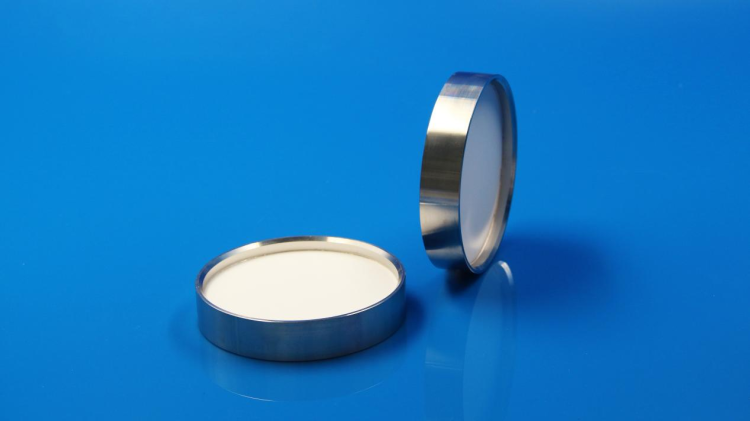
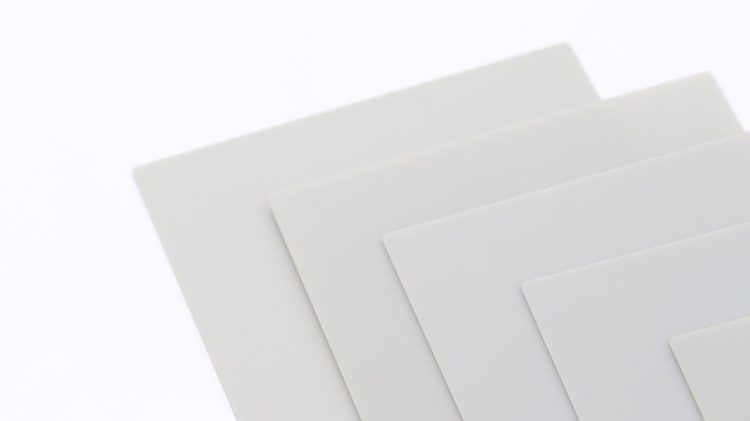
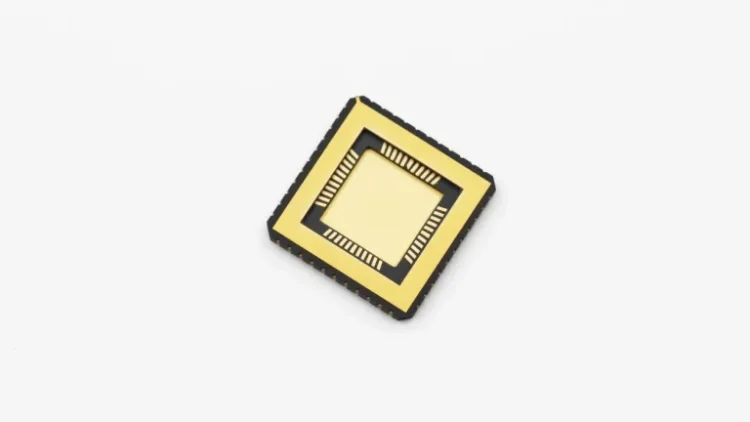
Among today’s advanced ceramic materials, Aluminum Nitride (AlN) has become one of the preferred substrate materials for high-power electronic packaging. Combining excellent thermal conductivity with outstanding electrical insulation, AlN provides an efficient path for heat to leave the device before it reaches the heatsink, helping maintain lower operating temperatures and improve overall system reliability.
Why Is the Substrate Critical to Thermal Management?
When discussing thermal management, attention is often focused on heatsinks, cooling fans, or liquid cooling systems. However, efficient heat dissipation begins much earlier—at the substrate directly beneath the semiconductor device.
The substrate forms the first thermal conduction path between the heat-generating chip and the external cooling system. If heat cannot be transferred efficiently through this layer, it will accumulate around the device junction regardless of how effective the downstream cooling solution may be.
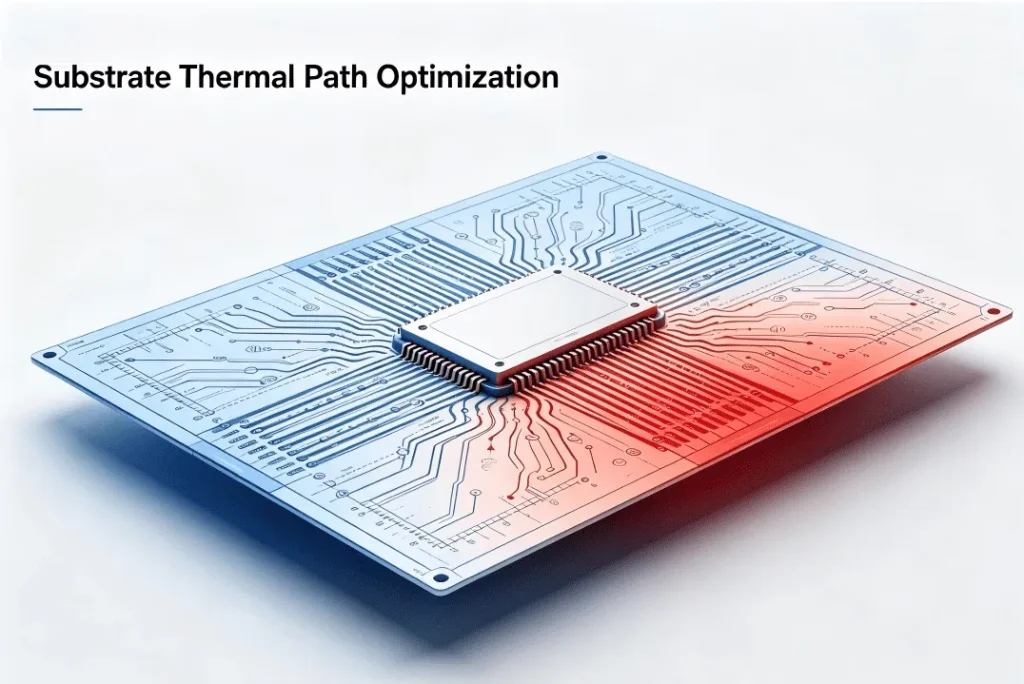
Conventional substrate materials such as FR-4 or alumina ceramics are suitable for many standard applications, but their relatively low thermal conductivity can become a limiting factor in high-power systems. As power density increases, this thermal bottleneck leads to higher junction temperatures, reduced efficiency, and decreased device reliability.
Selecting a substrate with significantly higher thermal conductivity allows heat to move away from the source more rapidly, minimizing localized hot spots and enabling the entire cooling system to operate more efficiently.
| Feature | Alumina (Al2O3) | Aluminum Nitride (AlN) | FR4 PCB |
|---|---|---|---|
| Thermal Conductivity | ~20-30 W/mK | ~170-220 W/mK | ~0.3 W/mK |
| Cost | Medium | High | Low |
| CTE Match to Si4 | Fair | Excellent | Poor |
| Electrical Insulation | Excellent | Excellent | Good |
How Aluminum Nitride Improves Heat Dissipation
One of the defining advantages of Aluminum Nitride is its exceptional thermal conductivity.
With thermal conductivity reaching up to 220 W/m·K, AlN transfers heat many times faster than conventional alumina substrates, making it highly effective in applications where thermal performance is critical.
Its crystal structure enables efficient heat transport while maintaining excellent electrical insulation, allowing designers to achieve both electrical safety and efficient thermal management within a single material.
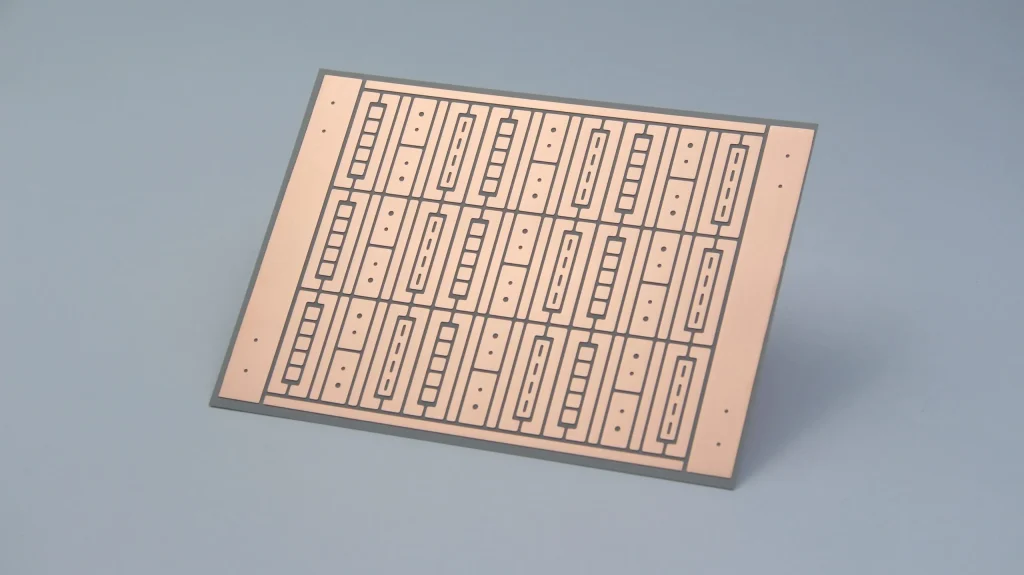
By reducing thermal resistance between the semiconductor junction and the heatsink, AlN substrates help lower junction temperatures, improve temperature uniformity, and reduce thermal stress during operation.
For power semiconductor devices, even a moderate reduction in operating temperature can significantly improve long-term reliability while supporting higher power density and more stable system performance.
| Aspect | Traditional Substrate (e.g., Alumina) | Aluminum Nitride (AlN) | Benefit of AlN |
|---|---|---|---|
| Heat Spreading | Limited can create hot spots | Excellent, spreads heat quickly | Prevents localized overheating, evens out the temperature |
| Junction Temperature | Higher, leading to faster degradation | Significantly lower | Extends device lifespan, improves reliability |
| Power Density | Restricted by thermal limits | Enables higher power density designs | Allows more powerful, compact devices |
| Heatsink Effectiveness | Reduced due to the upstream bottleneck | Maximizes heatsink efficiency by delivering heat effectively | Optimizes overall cooling system performance |
Typical Applications of Aluminum Nitride Substrates
Thanks to its combination of thermal conductivity, electrical insulation, and dimensional stability, Aluminum Nitride has become widely used in advanced power electronics.
IGBT Power Modules
IGBT modules used in electric vehicles, renewable energy systems, industrial drives, and power conversion equipment generate substantial heat during continuous operation. AlN substrates efficiently transfer this heat away from semiconductor chips, helping maintain safe operating temperatures while improving power density and overall reliability.
High-Power LED Packaging
High-brightness LEDs require efficient thermal management to maintain luminous efficiency and prevent premature degradation. Aluminum Nitride substrates rapidly dissipate heat from the LED junction, contributing to improved optical performance and longer service life.
Charging Infrastructure and Energy Storage Systems
Fast-charging stations, energy storage converters, and other high-power electrical systems operate continuously under demanding thermal conditions. Aluminum Nitride substrates provide reliable thermal pathways that support stable operation, improved efficiency, and enhanced system safety.
High-Frequency and Semiconductor Applications
AlN is also widely adopted in RF electronics, semiconductor equipment, laser devices, and other applications where excellent thermal conductivity and electrical insulation are required simultaneously.
Why Aluminum Nitride Continues to Gain Adoption
As power electronics continue to evolve toward higher power density and greater miniaturization, substrate materials are becoming increasingly important in overall thermal design.
Compared with conventional ceramic substrates, Aluminum Nitride offers several significant advantages:
- High thermal conductivity for rapid heat transfer
- Excellent electrical insulation
- Coefficient of thermal expansion (CTE) well matched with silicon devices
- High mechanical strength and thermal stability
- Suitable for advanced metallization processes such as DPC, DBC, and AMB
These characteristics make AlN one of the most effective ceramic substrate materials for demanding electronic applications where both thermal performance and long-term reliability are essential.
| Application Sector | Specific Use Cases | Why AlN is Crucial |
|---|---|---|
| Power Electronics | IGBT/MOSFET Modules, Power Inverters, Converters | Manages extreme heat, prevents thermal runaway, and ensures stability and efficiency. |
| LED Lighting | High-Brightness LEDs, Automotive Headlights | Dissipates concentrated heat, maintains light output, and extends LED lifespan. |
| Automotive Electronics | EV Power Modules, Charging Systems, Sensors | Handles harsh thermal cycling and high power, essential for reliability and safety. |
Conclusion
Efficient thermal management starts with selecting the right substrate material. By combining excellent thermal conductivity with reliable electrical insulation, Aluminum Nitride provides an effective solution for removing heat at its source, helping electronic devices operate more efficiently and reliably.
Whether used in IGBT power modules, high-power LEDs, charging infrastructure, or semiconductor equipment, AlN ceramic substrates continue to play an increasingly important role in modern electronic packaging.
For more information about Aluminum Nitride ceramic substrates or customized solutions, please get in touch with info@innovasupplies.com.