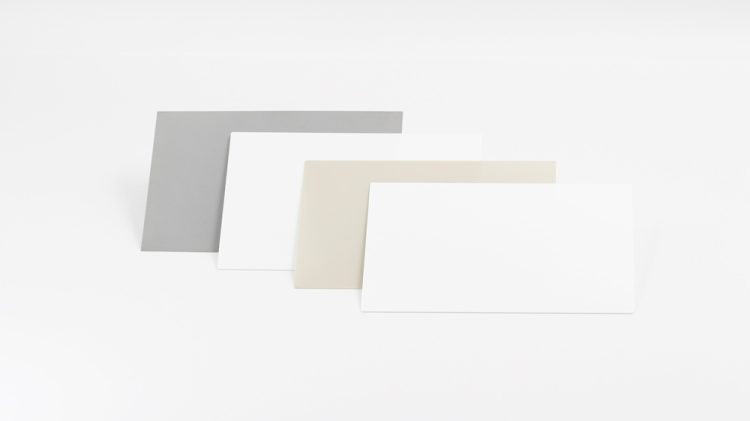
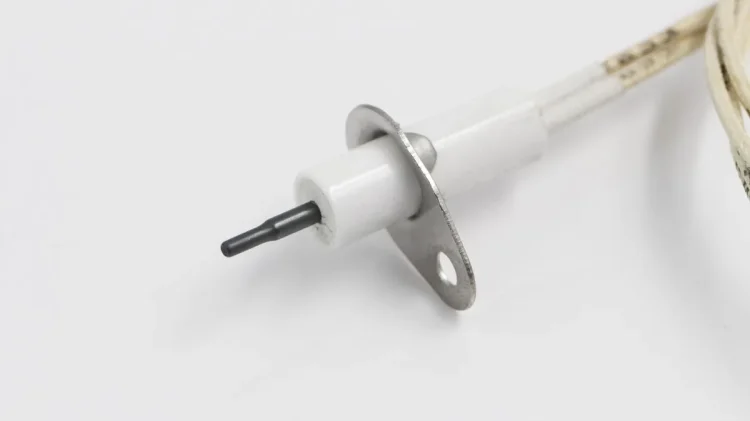
Among advanced engineering ceramic substrates, silicon carbide (SiC) occupies a unique position. Compared with traditional ceramic materials such as alumina (Al₂O₃), aluminum nitride (AlN), and silicon nitride (Si₃N₄), SiC ceramic substrates typically involve higher manufacturing costs.
However, in demanding applications such as high-power electronics, semiconductor equipment, and extreme operating environments, SiC has continued to gain attention rather than being replaced by lower-cost alternatives.
The reason is not simply material performance improvement or market positioning. The fundamental reason is that:
Silicon carbide solves system-level engineering challenges that conventional ceramic materials cannot fully address.
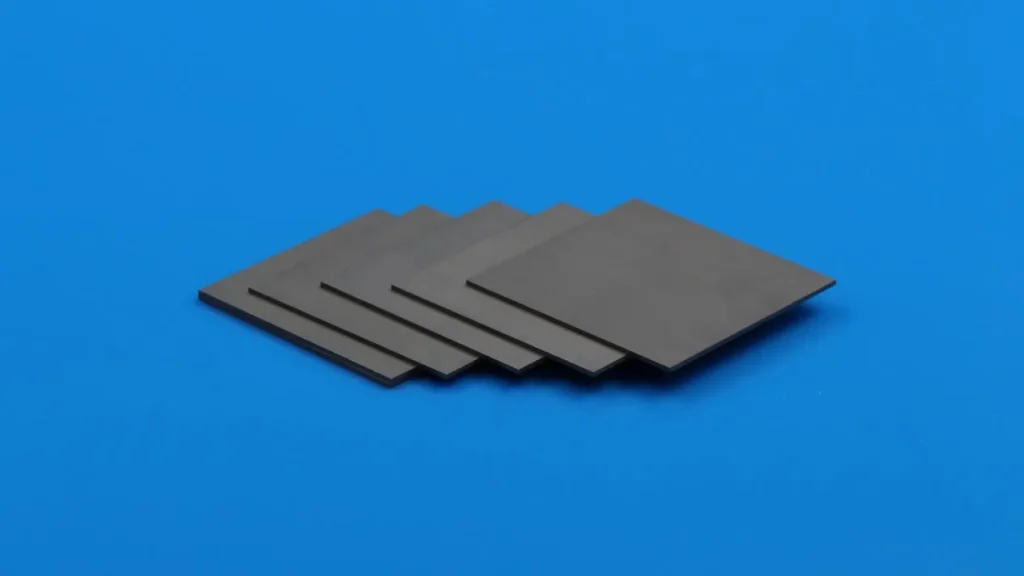
silicon carbide substrates
01. Material Comparison: SiC Represents a Different Level of Engineering Performance
In the field of advanced ceramic substrates, different materials are designed to address different application requirements.
| Material | Main Advantages | Typical Applications |
|---|---|---|
| Al₂O₃ Ceramic | Mature technology, cost-effective, reliable insulation | General electronic packaging, low-to-medium power applications |
| AlN Ceramic | Excellent thermal conductivity and electrical insulation | Thermal management substrates, power electronics |
| Si₃N₄ Ceramic | High mechanical strength and fracture toughness | High reliability power modules |
| SiC Ceramic | High thermal stability, high voltage capability, extreme environment resistance | Advanced power electronics, semiconductor equipment |
From an engineering perspective, alumina, AlN, and Si₃N₄ mainly focus on optimizing specific performance characteristics.
Silicon carbide, however, is designed to overcome the limitations of traditional ceramic systems by providing balanced performance under multiple extreme conditions.
02. Why Is Silicon Carbide Difficult to Replace?
In high-power electronic systems, material selection is not determined by thermal conductivity alone.
The substrate must simultaneously satisfy three critical requirements:
- Efficient heat dissipation
- Reliable electrical insulation under high voltage
- Mechanical stability under repeated thermal stress
This combination creates a complex engineering challenge.
Silicon carbide provides a broader operating window where thermal, electrical, and mechanical requirements can be maintained at the same time.
Compared with other ceramic materials:
Aluminum Nitride (AlN)
AlN provides excellent thermal conductivity and is widely used for heat dissipation applications. However, under extremely high temperature cycling, high voltage environments, or severe mechanical stress conditions, additional reliability considerations may be required.
Silicon Nitride (Si₃N₄)
Si₃N₄ offers outstanding mechanical strength and fracture toughness, making it suitable for high-reliability applications. However, its thermal conductivity is generally lower than SiC, which may limit applications requiring extremely high power density.
Alumina (Al₂O₃)
Alumina provides excellent cost efficiency and mature manufacturing capability but is mainly suitable for lower power and less thermally demanding applications.
As system voltages increase toward 800V, 1200V, and beyond, especially when combined with third-generation wide bandgap semiconductor devices such as SiC and GaN power devices, conventional ceramic materials may gradually approach their performance limits.
This is where SiC ceramic substrates demonstrate their unique value: they can support the simultaneous requirements of high temperature, high voltage, and high power density operation.
03. Why Are SiC Ceramic Substrates More Expensive?
The higher cost of SiC ceramic substrates is mainly related to manufacturing complexity rather than raw material price.
Silicon carbide is a strongly covalent ceramic material with extremely high hardness and chemical stability. These characteristics make densification and precision processing significantly more challenging compared with conventional ceramics.
The manufacturing process typically involves:
High-Temperature Sintering Requirements
SiC usually requires sintering temperatures around 2000–2200℃, which is considerably higher than many traditional ceramic materials.
Difficult Precision Machining
Due to its hardness approaching super-hard materials, SiC processing requires diamond tools and advanced grinding technologies to achieve required dimensional accuracy and surface quality.
Strict Defect Control
For high-voltage applications, even small internal defects such as pores or structural imperfections may affect insulation reliability.
Therefore, SiC substrate manufacturing requires strict control of:
- Material purity
- Density uniformity
- Flatness
- Dimensional accuracy
- Production consistency
The main cost factors include:
- High-temperature processing energy consumption
- Precision machining of hard ceramic materials
- Micron-level quality control
- Lower production yield compared with mature ceramic systems
As a result, the overall manufacturing cost of SiC substrates is significantly higher than conventional alumina ceramics.
04. Application Expansion: From Structural Components to Key System Materials
With the rapid development of third-generation semiconductor technologies, SiC ceramic substrates are evolving from traditional structural materials into critical components of advanced power systems.
Typical application areas include:
High-Voltage SiC Power Modules
Used in:
- Electric vehicles
- Charging infrastructure
- Renewable energy systems
SiC substrates help support higher power density and improved thermal reliability.
High-Frequency RF and Communication Packaging
The excellent thermal stability and electrical performance of SiC make it suitable for advanced communication and high-frequency electronic systems.
Semiconductor Manufacturing Equipment
SiC ceramic components are used in demanding environments such as:
- Plasma processing equipment
- Vacuum systems
- High-temperature semiconductor processes
High-Reliability Power Electronics
Applications requiring continuous operation under severe electrical and thermal loads increasingly rely on SiC-based solutions.
The common characteristic of these applications is that they involve multiple simultaneous challenges involving heat, voltage, and mechanical stress.
05. Future Trends: Different Ceramic Materials Serve Different Application Levels
The advanced ceramic substrate market is becoming increasingly differentiated.
Alumina and aluminum nitride have entered mature industrial stages, benefiting from established manufacturing processes and optimized production costs.
Silicon carbide, however, still maintains higher technical barriers due to:
- High-temperature manufacturing requirements
- Precision processing challenges
- Strict quality control requirements
At the same time, the rapid growth of:
- High-voltage electric vehicles
- Photovoltaic inverters
- Energy storage systems
- High-power industrial equipment
is accelerating demand for SiC power devices and high-reliability SiC ceramic substrates.
From a materials engineering perspective, the importance of silicon carbide is not simply that it provides “better performance”.
Its real value is that:
SiC expands the design boundaries of high-power electronic systems and enables applications that were previously difficult to achieve with traditional ceramic materials.
Customized SiC Ceramic Substrate Solutions from INNOVA Supplies
INNOVA Supplies provides SiC ceramic substrate solutions for advanced power electronics and semiconductor applications.
Our capabilities include:
- Standard engineering sizes, including 75 mm-class substrate solutions
- Customized structural designs
- Precision ceramic machining
- Application-based material selection support
In addition to SiC ceramic substrates, INNOVA Supplies also provides a range of engineering ceramic substrate solutions, including:
- Alumina (Al₂O₃)
- Aluminum Nitride (AlN)
- Silicon Nitride (Si₃N₄)
to meet different application requirements, from cost-oriented designs to high-performance systems.
For technical consultation or customized ceramic substrate requirements, please contact us.