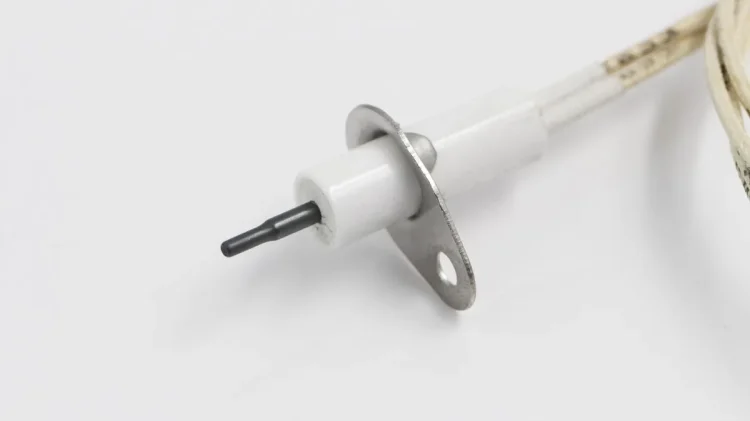
In high-temperature industrial environments, alumina ceramic tubes are widely used in thermocouple systems, industrial furnaces, heating equipment, and sensor protection applications.
Manufactured from high-purity alumina ceramics (typically 95%–99.7% Al₂O₃), these ceramic tubes provide excellent electrical insulation, high-temperature resistance, and chemical stability.
However, during the component selection process, many engineers encounter a common problem: insulation tubes and protection tubes often look very similar, but their actual functions are completely different.
Selecting the wrong type may result in unstable temperature measurement, premature ceramic failure, or reduced equipment reliability.
The key to correct selection is understanding the difference between their engineering purposes.
01. The Fundamental Difference: Function Determines the Design
Although both insulation tubes and protection tubes are generally made from alumina ceramic and have similar cylindrical structures, they serve different roles within high-temperature systems.
The main difference is not the material itself, but the function the ceramic tube performs.
Alumina Insulation Tube: Designed for Electrical Isolation
Alumina insulation tubes are mainly used inside thermocouples or heating assemblies.
Their primary purpose is to provide electrical insulation and organize internal conductors.
Typical functions include:
- Preventing electrical contact between multiple wires
- Maintaining stable transmission of temperature signals
- Providing reliable insulation performance under high temperatures
- Supporting internal conductor positioning
In thermocouple assemblies, insulation tubes help ensure measurement accuracy by maintaining proper electrical separation between wires.
Alumina Protection Tube: Designed for Environmental Protection
Unlike insulation tubes, protection tubes are mainly used as external protective structures.
They are installed outside thermocouples or sensors to isolate sensitive components from harsh environments.
Their main functions include:
- Protecting sensors from high-temperature gases or corrosive media
- Preventing erosion caused by dust, particles, or molten materials
- Improving mechanical protection and service life
- Reducing damage caused by thermal and environmental stress
Protection tubes act as a physical barrier between the sensing element and the surrounding operating environment.
02. Structural Differences from an Engineering Perspective
Although both components use alumina ceramic as the base material, their structural designs are usually optimized according to different working conditions.
For example:
Insulation Tube Design Characteristics
Typically focuses on:
- Electrical isolation capability
- Internal wire positioning
- Compact structure
- Stable insulation performance
Protection Tube Design Characteristics
Typically focuses on:
- Mechanical strength
- Wall thickness
- Resistance to thermal shock
- Protection against external environments
It should be noted that structure alone cannot completely determine the application type.
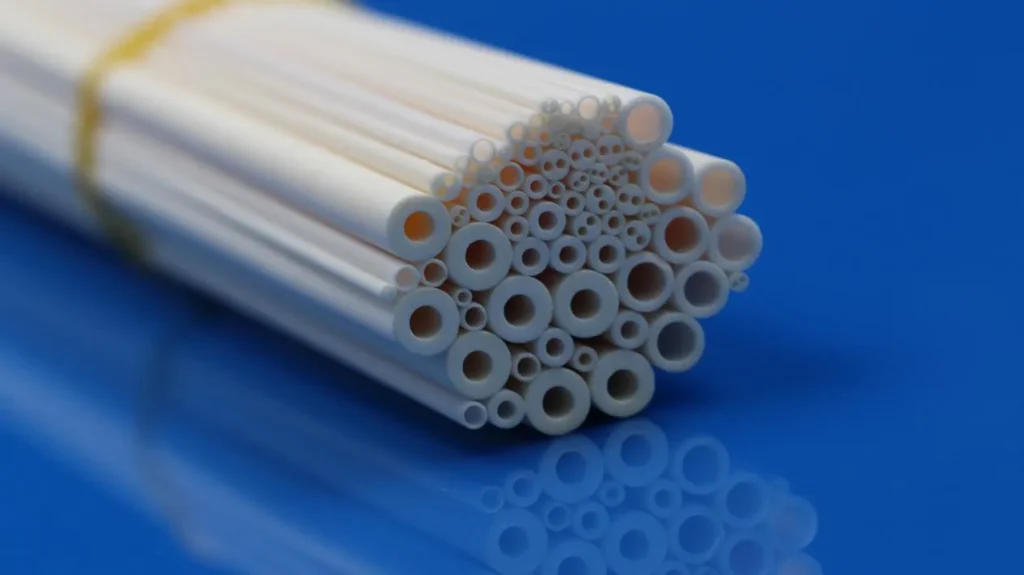
Porous structures are commonly associated with insulation applications, while single-hole designs are often used for protection tubes. However, customized designs may vary depending on specific operating requirements.
The final selection should always be based on actual working conditions.
03. Typical Application Areas
Alumina Insulation Tube Applications
Alumina insulation tubes are commonly installed inside temperature measurement or heating assemblies.
Typical applications include:
- Internal wire insulation in thermocouples
- Multi-core temperature sensor support structures
- Electrical insulation components inside heating elements
- High-temperature electrical isolation applications
Main purpose:
Ensuring electrical isolation and stable signal transmission.
Alumina Protection Tube Applications
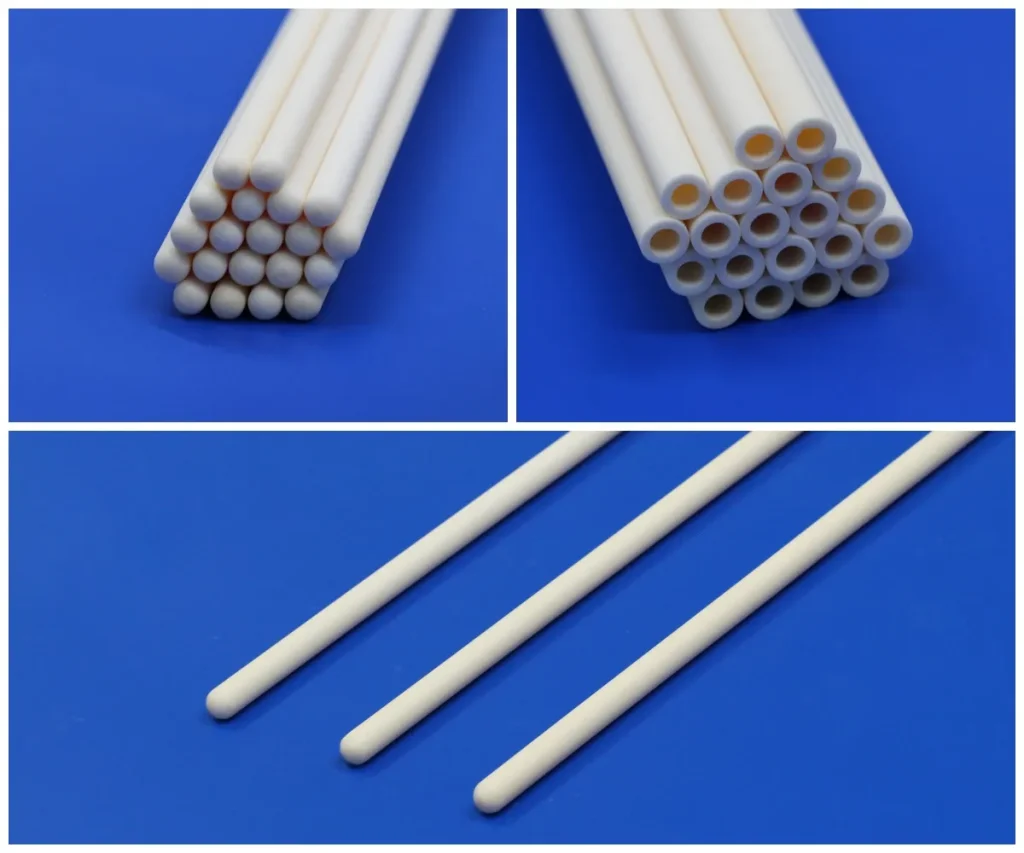
Alumina protection tubes are generally used as outer protective sleeves exposed directly to harsh environments.
Typical applications include:
- Thermocouple protection in industrial furnaces
- Temperature measurement systems for sintering furnaces
- High-temperature heat treatment equipment
- Chemical processing environments
- Dusty or mildly corrosive operating conditions
Main purpose:
Protecting internal sensors and functional components from environmental damage.
04. Common Selection Mistakes
Because insulation tubes and protection tubes look similar, several misunderstandings frequently occur.
Misunderstanding 1: Porous Structure Always Means Insulation Tube
Porous alumina tubes are often used for insulation purposes, but the application cannot be determined only by appearance.
Different industries may use customized structures according to electrical, thermal, or mechanical requirements.
Misunderstanding 2: Single-Hole Structure Always Means Protection Tube
Single-hole ceramic tubes are common in protection applications, but some insulation applications may also use single-channel designs.
The structure alone should not be considered the only selection standard.
Misunderstanding 3: Similar Appearance Means They Can Replace Each Other
This is the most common selection mistake.
Although both products may appear similar, they differ in:
- Mechanical strength requirements
- Wall thickness design
- Thermal shock resistance
- Environmental resistance
Replacing one with another without considering operating conditions may result in:
- Ceramic cracking
- Insulation failure
- Incorrect temperature measurement
- Reduced service life
05. Quick Selection Guide
When selecting an alumina ceramic tube, consider the following questions:
Is the ceramic tube directly exposed to high temperature, corrosive gas, dust, or molten materials?
→ Choose an alumina protection tube
Is the main purpose to isolate internal wires or maintain signal stability?
→ Choose an alumina insulation tube
Does the component need strong mechanical protection or thermal shock resistance?
→ Protection tube is usually preferred
Is electrical insulation the primary requirement?
→ Insulation tube is usually preferred
06. Why Correct Selection Matters
Choosing the correct ceramic tube type directly affects system reliability.
Incorrect selection may cause:
- Unstable thermocouple signals
- Temperature measurement errors
- Ceramic cracking caused by thermal shock
- Faster degradation in corrosive environments
- Increased maintenance requirements
For industrial temperature measurement and heating systems, understanding the functional difference between insulation tubes and protection tubes is essential for improving equipment reliability.
Conclusion
Although alumina insulation tubes and protection tubes may have similar appearances, their engineering purposes are fundamentally different.
Insulation tubes focus on electrical isolation and signal stability, while protection tubes focus on environmental protection, mechanical strength, and long-term durability.
When selecting ceramic tubes for industrial applications, the operating environment and functional requirements should always come first rather than relying only on appearance or dimensions.
INNOVA Supplies provides customized alumina ceramic tube solutions with flexible options for:
- Alumina purity
- Porosity
- Wall thickness
- Dimensions
- Structural design
For customized alumina ceramic tubes or technical support, please contact: info@innovasupplies.com