When choosing a hair straightener, users often focus on how quickly it heats up. But reaching the target temperature is only part of the job. The temperature needs to remain reasonably consistent across the entire heating plate as well.
During styling, the plate transfers heat directly to the hair. If one area is significantly hotter than another, different sections of hair may receive different amounts of heat. Cooler areas may require additional passes, while hotter spots can expose the hair to excessive temperatures.
For manufacturers, the challenge is not simply to increase heating speed. The heating element, plate material, heat transfer path, and temperature control system must work together to deliver consistent performance across the working surface. Balancing a fast thermal response with even heat distribution is an important part of developing a reliable hair straightener.
I. What Does Temperature Uniformity Mean?
Temperature uniformity describes how evenly heat is distributed across a heating surface. Ideally, different areas of the plate should remain at similar temperatures while the appliance is operating.
For example, when a hair straightener is set to 180°C, the centre and edges of the heating plate should not have large temperature differences. In practice, however, the actual distribution depends on several factors, including the heater’s internal structure, plate design, heat transfer conditions, and the accuracy of the temperature control system.
A straightener may reach its set temperature quickly without heating evenly across the plate. This is why temperature uniformity needs to be considered alongside heating speed when evaluating overall performance.
II. How Does Temperature Uniformity Affect Hair Styling?
1. More Consistent Styling Results
Hair straightening relies on controlled heat transfer. The amount of heat applied to the hair, as well as how consistently it is delivered, influences the styling result.
When the heating plate maintains a more uniform temperature, different sections of hair are more likely to receive similar heat exposure. This can help reduce the need for repeated passes and make styling more consistent.
By contrast, cooler areas may not provide enough heat for effective styling in a single pass, while hotter areas can expose the hair to excessive heat. A more balanced heating surface helps reduce these differences and supports a more predictable styling experience.
2. Keeping Localized Hot Spots Under Control
Hot spots occur when certain areas of a heating plate become considerably hotter than the surrounding surface. These localized temperature peaks can cause uneven heat transfer and make it harder to maintain consistent styling conditions.
For manufacturers, managing hot spots involves more than adjusting the overall heating power. The heating element’s layout, the plate’s thermal properties, and the temperature control strategy all need to be considered together.
A well-designed system should provide sufficient heat for effective styling while limiting unnecessary temperature differences across the working surface.
III. The Connection Between Temperature Uniformity and Temperature Control
Reaching the set temperature is only the beginning. Maintaining it during use presents a separate challenge.
As the heating plate comes into contact with hair, heat is transferred away from the surface. The plate may cool locally, requiring the heating element and control system to compensate for the loss. If different areas respond at different rates, temperature fluctuations can become more difficult to manage.
A well-integrated heating system should be able to:
- Reach the target temperature within the required time.
- Maintain a stable temperature across the working surface.
- Respond appropriately when heat is lost during styling.
These requirements explain why heating speed alone is not a complete measure of performance. Temperature stability and heat distribution also affect how consistently a hair straightener operates.
IV. How Ceramic Heating Sheets Can Improve Temperature Uniformity
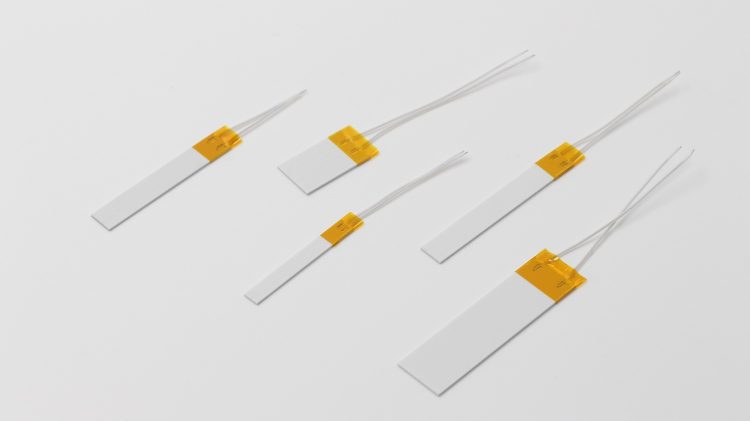
The uniformity of a heating plate depends partly on the design of its heating element and the properties of the materials used. In compact appliances such as hair straighteners, ceramic heating sheets offer several characteristics that can support consistent heating when properly designed and integrated.
Designed for More Even Heat Generation
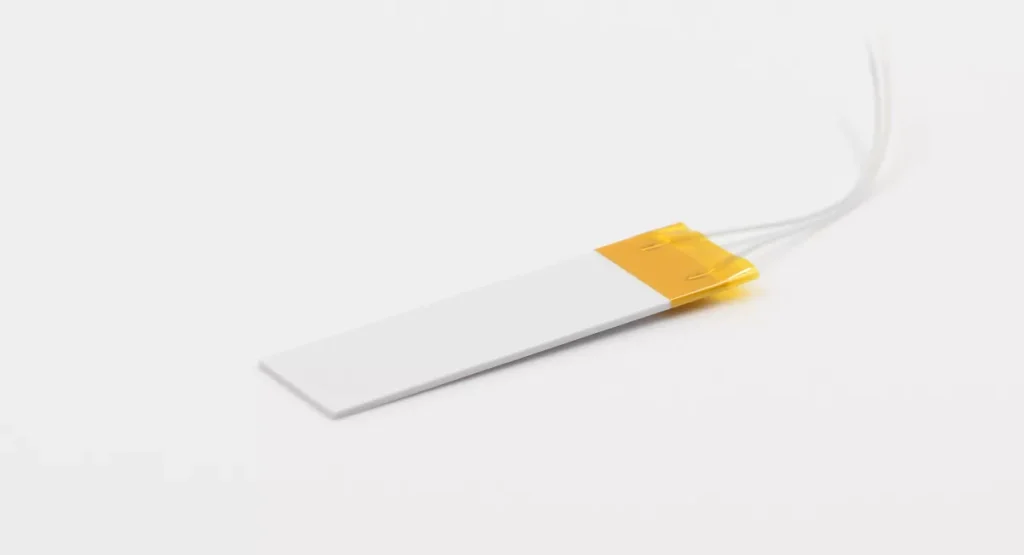
A ceramic heating sheet generates heat through a resistive element incorporated into the ceramic structure. The layout of this element affects how heat is produced and distributed across the working area.
By adjusting the heating pattern, power distribution, and element dimensions, designers can work toward a more balanced temperature profile. Compared with a design that concentrates heat in a limited area, a properly configured ceramic heating element may help reduce temperature differences between the centre and edges of the plate.
The actual result depends on the complete heating assembly, including the plate material, contact conditions, and control system. Ceramic construction alone does not guarantee uniform surface temperature.
Stable Thermal Characteristics of Ceramic Materials
Ceramic materials are used in precision heating applications in part because of their thermal stability. They can maintain their material properties under repeated heating and cooling when the selected ceramic and operating conditions are appropriate.
For hair straighteners, this stability helps the heating element withstand repeated operating cycles. Combined with a suitable structural design, it can contribute to consistent heater performance over time.
The temperature uniformity of the finished appliance, however, still depends on how the heating element is integrated with the plate and temperature control components.
Fast Thermal Response and Efficient Heat Transfer
Ceramic heating sheets can be designed with a compact structure and a relatively short distance between the resistive element and the working surface. A shorter heat transfer path may help the plate respond more quickly to changes in heating demand.
When paired with a suitable temperature sensor and control system, a thin, low-thermal-mass ceramic heater may also recover more quickly after heat is transferred to the hair.
This combination can help balance rapid heating with stable operation, although the final response depends on the heater’s dimensions, power, plate construction, and control strategy.
Suitable for Compact Heating Appliances
Space and energy efficiency are important considerations in appliances such as hair straighteners, curling irons, kettles, and milk warmers. Their heating components must fit within limited internal space while meeting the product’s thermal and operational requirements.
Ceramic heating sheets offer a compact heating structure and stable thermal characteristics, making them a potential option for applications that require rapid heating and consistent performance.
With appropriate integration into the appliance, including the heating plate and control system, ceramic heating elements can help manufacturers improve heating consistency without compromising the compact design.
V. How Is Temperature Uniformity Measured?
Temperature uniformity can be evaluated using methods such as multi-point temperature measurement and infrared thermal imaging. Each method provides a different view of the heating plate’s temperature distribution.
| Evaluation Method | How It Works | Advantages | Limitations |
|---|---|---|---|
| Multi-point Temperature Measurement | Records temperatures at selected positions on the heating surface | Provides direct numerical readings that can be compared between points | Results represent only the locations measured |
| Thermal Imaging Analysis | Uses an infrared camera to capture the temperature distribution across the surface | Provides a visual overview and helps identify localized hot spots | Requires specialized equipment; results can be affected by surface emissivity |
Measurements taken at the centre, edges, and other relevant positions can help engineers identify temperature differences across the plate. Smaller variations generally indicate more uniform heating under the test conditions.
During product development, these results can be used to assess changes to the ceramic heating element, plate structure, and temperature control system. Testing should be carried out under consistent operating conditions so that different designs can be compared meaningfully.
VI. Ceramic Heating Solutions from INNOVA Supplies
INNOVA Supplies offers ceramic heating components for applications that require responsive heating and reliable operation. Ceramic heating sheets can be used in hair straighteners, curling irons, and other compact appliances where heating performance, space constraints, and energy efficiency are important.
Their compact construction and thermal characteristics make them worth considering for products that require consistent heating. The performance of the finished appliance will depend on the heater design and its integration with the heating plate, sensor, and control system.
For hair straighteners and other customized heating applications, INNOVA Supplies can consider requirements such as heater dimensions, voltage, power, resistance, heating pattern, and lead configuration. Custom designs can be developed based on customer drawings and specific project requirements.
To discuss your application or request a quotation, please contact info@innovasupplies.com.