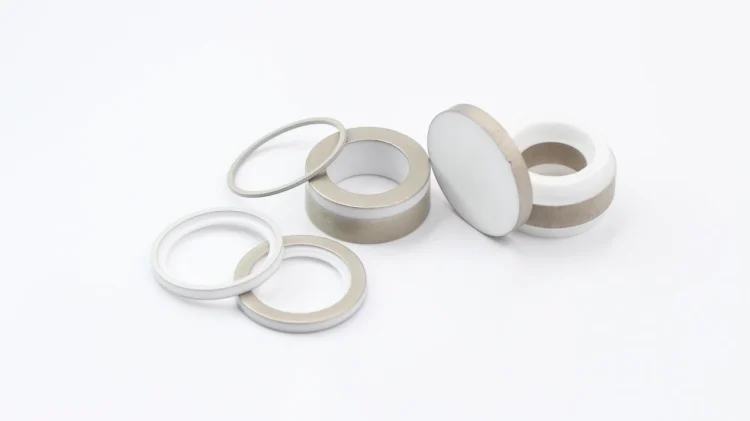
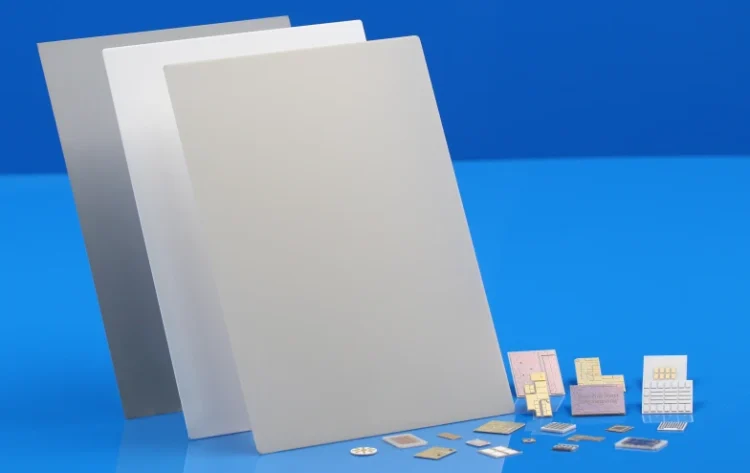
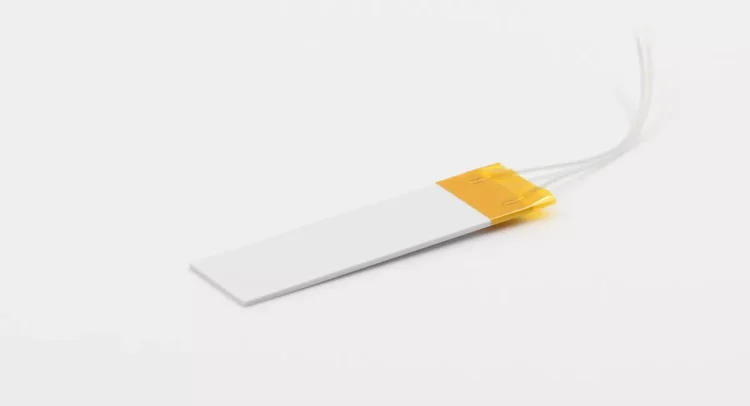
High-temperature industrial processes place considerable demands on the materials used in equipment and components. Depending on the application, materials may need to withstand:
- Thermal shock
- Extremely high operating temperatures
- Repeated and rapid heating and cooling
- Electrical insulation requirements
- Direct contact with molten metals
- Material adhesion or contamination
- Precision machining of complex shapes
Boron nitride (BN) ceramics offer a combination of properties that helps address many of these challenges within a single material system.
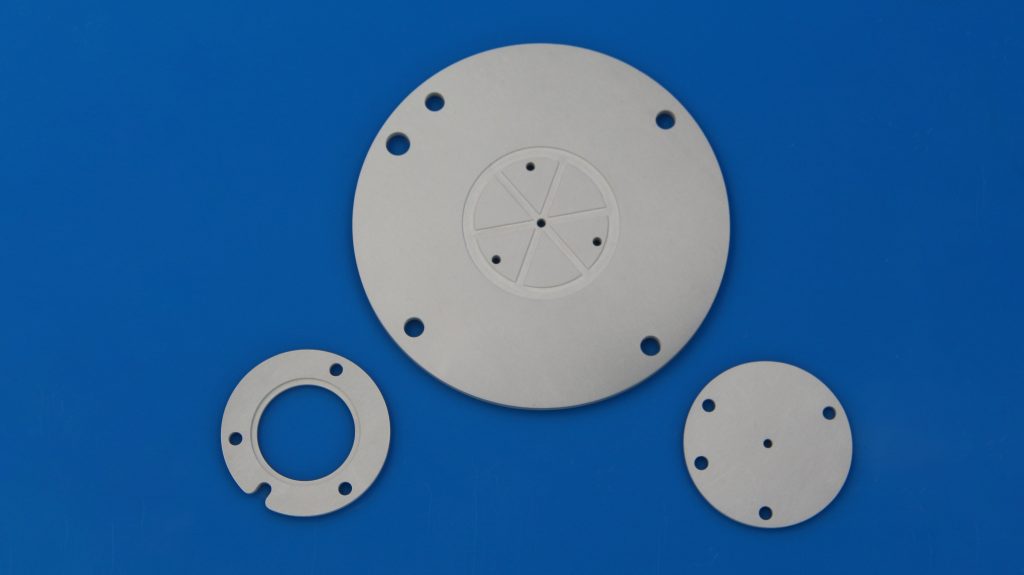
Aluminum Nitride-Boron Nitride Composite BN-AlN Ceramic Parts for Ion Source
1. Stable Performance at Extremely High Temperatures
Hexagonal boron nitride (h-BN) retains its properties at very high temperatures, particularly in vacuum or inert atmospheres. This makes it a practical choice for components used in demanding thermal environments, including:
- High-temperature furnace components
- Vacuum furnace insulation
- Semiconductor processing equipment
- Crystal growth systems
- Sintering fixtures
- High-temperature electrical insulators
Its suitability depends on the operating atmosphere and actual temperature conditions, but BN is widely used where conventional materials may not provide the required thermal performance.
2. Good Resistance to Thermal Shock
Sudden temperature changes can generate considerable thermal stress in ceramic components, increasing the risk of cracking or damage. Boron nitride has good thermal conductivity and a very low coefficient of thermal expansion, helping it withstand repeated heating and cooling with limited dimensional changes.
This combination is particularly useful in processes where components go through rapid heating, prolonged exposure to high temperatures, and subsequent cooling. BN can maintain its structural stability through these repeated thermal cycles, making it suitable for equipment exposed to frequent temperature fluctuations.
3. Electrical Insulation and Heat Dissipation
A notable advantage of boron nitride is its ability to combine electrical insulation with relatively high thermal conductivity and high-temperature resistance.
In many applications, an insulating material must prevent unwanted electrical conduction without significantly restricting heat transfer. BN can meet both requirements, making it useful in high-temperature electrical assemblies where insulation and thermal management are needed at the same time.
Typical applications include furnace heater insulators, semiconductor equipment, plasma systems, and other high-temperature electrical components.
4. Non-Wetting Properties and Chemical Stability
When ceramic components come into contact with molten metals or chemically reactive materials, adhesion, corrosion, and contamination can become serious concerns. These issues may affect both component service life and process quality.
Boron nitride has good non-wetting characteristics with many molten materials, along with chemical stability under suitable operating conditions. It is therefore used in applications where reducing material adhesion and contamination is important, such as:
- Molten metal processing
- Metal casting
- Crucibles
- Nozzles
- Break rings
- Protective components
- Powder metallurgy
The actual level of chemical resistance and non-wetting performance depends on the material being handled and the process environment.
5. Suitable for Precision Machining
Hot-pressed boron nitride is relatively soft compared with many other advanced technical ceramics. It can generally be machined using conventional machining methods, making it easier to produce components with specific dimensions and complex geometries.
Depending on the design requirements, BN can be processed into various forms, including:
- Tubes
- Rings
- Sheets
- Crucibles
- Nozzles
- Insulators
- Custom precision-machined components
This machining flexibility is particularly useful when standard component shapes do not meet the requirements of a particular furnace or processing system.
Selecting the Right Boron Nitride Grade
Boron nitride ceramics are available in different grades and purity levels. Selecting a material should involve more than simply choosing the highest purity available. The appropriate grade depends on the actual operating conditions, including temperature, atmosphere, electrical requirements, chemical exposure, mechanical load, thermal cycling, and dimensional requirements.
For example, semiconductor applications with strict contamination limits may require high-purity BN grades. In applications involving greater mechanical loads or wear, BN composites may be more suitable because they can offer improved mechanical strength or abrasion resistance.
A Practical Example: Carbon Contamination in High-Temperature Furnaces
Material selection can also affect the service life of BN components in ways that are not always immediately apparent.
In one high-temperature furnace application, low-purity graphite components released considerable carbon-containing volatile substances. This led to heavy carbon deposition and adhesion on nearby boron nitride parts. With continued exposure, the deposited carbon layer contributed to chemical attack and severe carburization of the BN components, shortening their service life and reducing their electrical insulation performance.
When carburization is relatively minor, mechanical grinding may remove the deposited carbon layer. The BN component may then be considered for continued use after appropriate cleaning and insulation testing. However, removing the deposits alone does not address the underlying cause. The graphite components should be replaced with higher-grade materials to prevent the problem from recurring.
Choosing the right BN grade therefore requires consideration of the entire process environment, not just the properties of the BN component itself.
If you have questions about selecting a suitable boron nitride grade for your application, contact INNOVA Supplies at info@innovasupplies.com for product and material selection support.