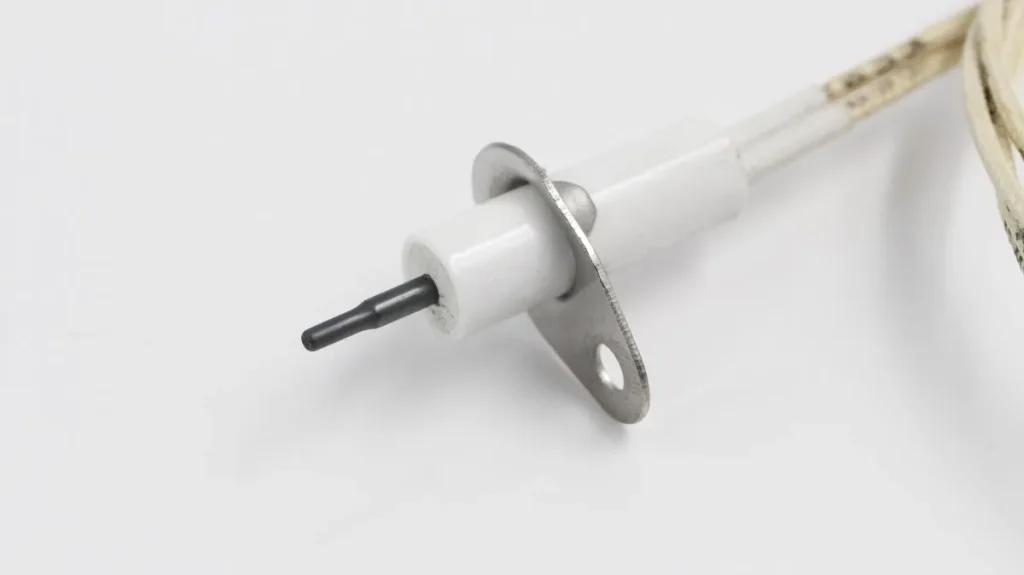
Ceramic igniters are widely used in gas burners, biomass pellet stoves, industrial heating equipment, and other hot surface ignition (HSI) systems. Their rapid heating, efficient ignition, and flameless operation make them a practical choice for many modern ignition systems.
As equipment manufacturers place greater emphasis on reliability and reducing maintenance, the service life and operating stability of the igniter have become just as important as its basic ignition performance. In practice, however, ceramic igniters may experience slow heating, reduced ignition efficiency, or premature failure. While these problems are sometimes attributed to product defects, igniter life is usually influenced by several factors working together, including material selection, structural design, operating conditions, and installation.
1. Root Causes of Premature Failure in Ceramic Igniters
Ceramic igniters operate at elevated temperatures and are often subjected to repeated heating and cooling cycles. For this reason, failure is rarely caused by one isolated factor. Instead, damage can gradually accumulate during long-term operation.
Each time the equipment starts and stops, the igniter experiences thermal expansion and contraction. Repeated temperature cycling creates thermal stress within the ceramic body and can eventually contribute to material fatigue. Mechanical stress during installation can have a similar effect. Excessive tightening, uneven support, or vibration during operation may initiate or gradually extend internal microcracks.
Electrical conditions also need to be considered. Voltage fluctuations or a mismatch between the applied voltage and the igniter’s rated power can affect heating behavior and accelerate aging. At the same time, dust, carbon deposits, ash, oil residue, or other contaminants around the ignition area can interfere with heat transfer and cause localized overheating.
Therefore, when a ceramic igniter fails earlier than expected, checking the igniter itself is only part of the investigation. The equipment’s electrical, mechanical, thermal, and combustion conditions should also be reviewed.
2. Key Factors That Affect Ceramic Igniter Service Life
For most engineering applications, several operating and design factors have a direct influence on the long-term reliability of ceramic igniters.
• Proper matching of operating voltage and power. Excessive voltage can cause overheating in the heating element and accelerate material aging. On the other hand, insufficient voltage may extend the ignition time and increase the duration of thermal loading.
• Start-stop frequency. Frequent heating and cooling cycles increase thermal fatigue. Equipment that starts and stops repeatedly can place considerably more thermal stress on an igniter than equipment operating under relatively stable conditions.
• Installation structure. Excessive tightening force, uneven mechanical support, or unsuitable assembly tolerances can introduce additional stress into the ceramic body and increase the risk of cracking.
• Combustion environment. Dust, ash, oil deposits, and corrosive substances around the ignition zone can reduce heating efficiency. Deposits may also create local differences in heat dissipation and contribute to overheating.
• Material and manufacturing process. Different ceramic materials offer different levels of thermal shock resistance, high-temperature mechanical strength, and oxidation resistance. The material should therefore be selected according to the actual operating environment rather than based on material type alone.
3. Different Ceramic Materials for Different Application Requirements
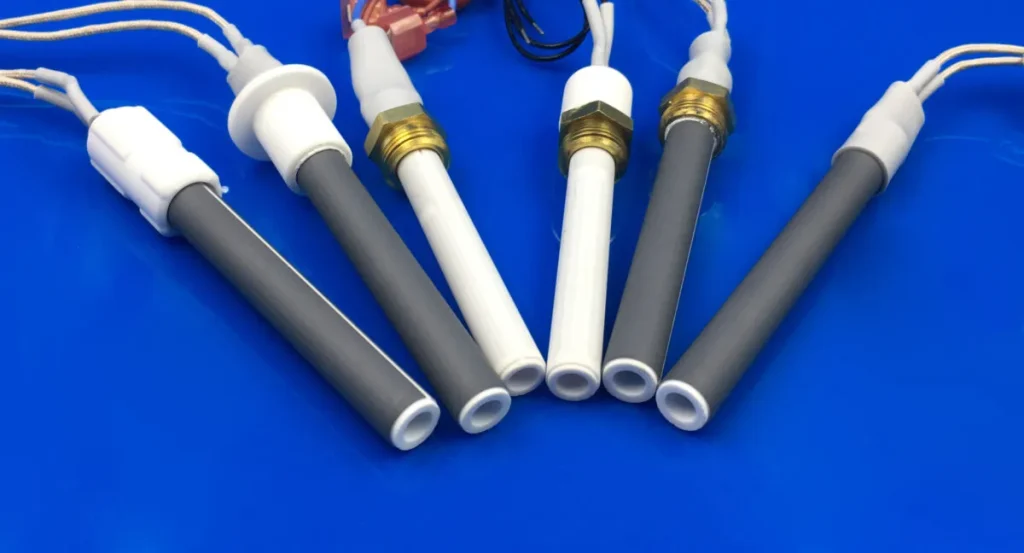
There is no single ceramic material that is suitable for every ignition application. The appropriate choice depends on the equipment’s operating parameters, temperature conditions, cycling frequency, and reliability requirements.
Two commonly used ceramic igniter materials can be compared as follows:
| Comparison Item | Alumina Ceramic Igniter | Silicon Nitride Ceramic Igniter |
|---|---|---|
| Typical Features | Mature manufacturing process and stable overall performance | Better thermal shock stability and high-temperature mechanical strength |
| Applicable Working Conditions | Conventional gas ignition, industrial heating, and similar applications | High-frequency start-stop operation, high-temperature applications, or applications with higher reliability requirements |
| Temperature Rise Characteristics | Can meet different ignition requirements depending on product design | Generally provides a fast temperature-rise response |
| Service Environment | Suitable for most conventional operating environments | Better suited to environments with significant temperature fluctuations or harsher operating conditions |
| Selection Recommendation | A practical choice when cost control and conventional applications are the main considerations | More suitable when long-term reliability and thermal shock performance are key priorities |
The comparison above is intended as a general reference. Actual material selection should be based on the complete operating conditions and the design of the ignition system.
4. Parameters to Confirm During Procurement and Design
Providing complete application information at the procurement or design stage can make product selection and subsequent testing more efficient. The following parameters should be confirmed where possible:
- Equipment type and specific application scenario
- Operating voltage, power, and required ignition time
- Installation dimensions, heating zone dimensions, and lead wire configuration
- Fuel type, such as natural gas, liquefied gas, or biomass pellets
- Continuous or intermittent operating mode
- Ambient operating temperature and start-stop frequency
These details help determine whether the selected igniter is properly matched to the equipment. They can also reduce the number of adjustments required during sample testing and product verification.
5. INNOVA Supplies Ceramic Igniter Product Solutions
INNOVA Supplies offers ceramic igniters in a range of specifications, including alumina and silicon nitride ceramic igniters, for different equipment and ignition applications.
Available configurations can cover different sizes, operating voltages, heating zone lengths, lead wire arrangements, and mounting structures. Where standard specifications do not meet the application requirements, customized solutions can also be provided based on the customer’s technical requirements.
For product specifications or quotations, please provide the application scenario and relevant technical parameters. The INNOVA Supplies team can then assist in evaluating the requirements and recommending a suitable ceramic igniter solution.
Email: info@innovasupplies.com