As power electronics continue to develop in new energy vehicles, rail transportation, energy storage, industrial power supplies, and wide-bandgap semiconductor systems, power modules are facing increasingly demanding requirements for power density, reliability, and operating life.
The ceramic substrate sits between the semiconductor chip and the cooling structure and performs several functions at the same time. It provides electrical insulation, transfers heat away from the device, and supports the metal and semiconductor layers. During operation, it must also withstand repeated temperature changes and the resulting thermomechanical stress.
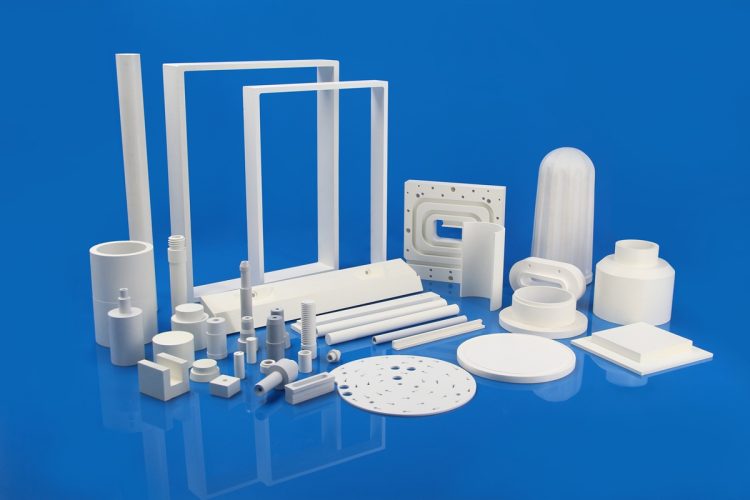
Alumina (Al₂O₃), aluminum nitride (AlN), and silicon nitride (Si₃N₄) are three commonly used ceramic substrate materials for power electronics. Each has its own advantages. Alumina is widely adopted because of its mature manufacturing technology and relatively low cost. AlN is particularly attractive where high thermal conductivity is a priority. Silicon nitride, meanwhile, combines thermal performance with high mechanical strength, fracture toughness, and thermal shock resistance, making it well suited to power modules exposed to repeated thermal and mechanical loading.
1. What Do Power Electronic Ceramic Substrates Need to Withstand?
In IGBT and SiC power modules, ceramic substrates are exposed to demanding operating conditions over extended periods. Equipment startup, shutdown, load changes, and temperature fluctuations repeatedly generate stress at the interfaces between the semiconductor chip, copper layers, and ceramic substrate.
If this cyclic stress is not adequately managed, long-term operation may contribute to problems such as ceramic cracking, metal-layer delamination, or deterioration in overall module performance.
For this reason, ceramic substrates used in high-reliability power modules need to provide more than good thermal conductivity. Important considerations include:
- Stable electrical insulation
- Adequate thermal conductivity
- Mechanical compatibility with copper and other bonded layers
- Resistance to thermal cycling and fatigue
- Sufficient structural strength for long-term operation
The different properties of alumina, AlN, and Si₃N₄ therefore lead to different application priorities.
2. Alumina, AlN or Si₃N₄: How Do They Differ?
Alumina Ceramic Substrates: A Mature and Cost-Effective Option
Alumina remains one of the most widely used ceramic materials for electronic substrates. Its established manufacturing processes, stable insulation properties, broad supply availability, and relatively low cost make it suitable for many conventional power electronic applications.
Its main advantages include:
- Stable electrical insulation
- Mature manufacturing and processing technology
- Established supply chain
- Relatively low material and processing cost
For applications with moderate power density and thermal cycling requirements, alumina can provide a practical combination of performance and cost.
However, compared with nitride ceramics, alumina generally has lower thermal conductivity and fracture toughness. In high-power-density systems or applications involving frequent thermal cycling, the substrate design and actual operating conditions therefore require closer consideration.
Typical applications include:
- General-purpose power modules
- Industrial control equipment
- Conventional electronic packaging

Aluminum Nitride Ceramic Substrates: For Applications Where Heat Dissipation Matters
Aluminum nitride ceramic substrates are primarily selected when thermal management is a major design consideration. With high thermal conductivity combined with excellent electrical insulation, AlN can provide an efficient heat path between the semiconductor device and cooling structure.
Key characteristics include:
- High thermal conductivity
- Excellent electrical insulation
- Good thermal expansion compatibility with semiconductor materials
AlN substrates are therefore commonly considered for applications requiring efficient heat dissipation, including high-power LEDs and high-heat-dissipation electronic modules.
At the same time, material selection should not be based on thermal conductivity alone. For applications involving frequent power cycling or significant mechanical loading, the substrate material, metallization structure, bonding method, and actual operating conditions should be evaluated together.
Silicon Nitride Ceramic Substrates: Designed for Demanding Thermal and Mechanical Conditions
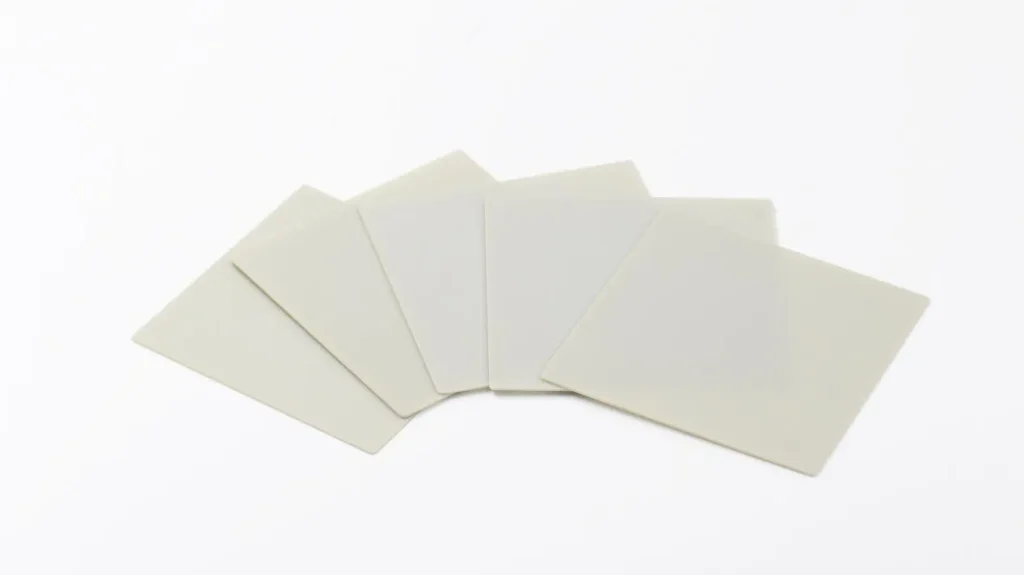
Silicon nitride takes a different position from alumina and AlN. Rather than focusing primarily on low cost or maximum thermal conductivity, its main advantage is the combination of thermal, mechanical, and reliability-related properties.
Si₃N₄ substrates offer:
- Good thermal conductivity
- High fracture toughness
- High mechanical strength
- Strong thermal shock resistance
This combination makes silicon nitride particularly relevant to power modules that experience repeated temperature changes, frequent power cycling, or sustained mechanical stress.
3. Why Is Silicon Nitride Used in High-Reliability Power Modules?
Thermal Cycling Resistance
Power electronic systems are repeatedly subjected to startup, shutdown, and load variation. Because ceramic and copper have different coefficients of thermal expansion, temperature cycling generates mechanical stress within the substrate structure.
The fracture toughness and thermal shock resistance of silicon nitride allow the material to tolerate repeated thermomechanical loading. This makes Si₃N₄ a strong candidate for applications where long-term thermal cycling is an important reliability consideration.
Mechanical Strength
In DBC (Direct Bonded Copper) and AMB (Active Metal Brazing) substrates, the ceramic layer must maintain a reliable connection with the copper layer throughout operation.
The relatively high mechanical strength and fracture toughness of silicon nitride provide structural robustness under mechanical and thermal loading. This is particularly relevant to power electronic systems where substrate reliability is closely linked to overall module lifetime.
Compatibility with Wide-Bandgap Power Devices
The increasing use of wide-bandgap semiconductors such as SiC and GaN is driving power modules toward higher switching frequencies, higher voltage, and greater power density.
These conditions place greater demands on packaging materials and substrate reliability. With its combination of mechanical properties, thermal performance, and thermal cycling resistance, silicon nitride is used in selected high-reliability applications, including automotive power inverters, industrial power systems, and SiC power modules.
4. Alumina vs. AlN vs. Si₃N₄ Ceramic Substrates
The three materials have different strengths, so the appropriate choice depends on the requirements of the specific power module.
| Performance Index | Alumina Substrate | AlN Substrate | Si₃N₄ Substrate |
|---|---|---|---|
| Thermal Conductivity | Medium | High | Medium-High |
| Electrical Insulation | Excellent | Excellent | Excellent |
| Mechanical Strength | Average | Medium | Relatively High |
| Fracture Toughness | Low | Medium | Excellent |
| Thermal Cycling Resistance | Average | Good | Excellent |
| High Power Cycle Reliability | Average | Good | Excellent |
| Cost Level | Relatively Low | Medium | Relatively High |
| Main Advantage | Mature and Cost-Effective | Efficient Heat Dissipation | High Reliability and Long Service Life |
This comparison is a general material reference. Actual performance depends on material grade, substrate design, metallization structure, processing conditions, and the operating environment.
5. Where Are Silicon Nitride Substrates Most Relevant?
Silicon nitride is not intended to replace alumina or AlN in every power electronic application. Its advantages become more relevant when the system places greater emphasis on thermal cycling resistance, mechanical reliability, and long operating life.
New Energy Vehicle Power Modules
Electric drive systems in new energy vehicles experience repeated startup and shutdown, current changes, and variations in operating temperature. These conditions can subject the power module to continuous thermal cycling.
The thermal shock resistance and mechanical strength of silicon nitride make it suitable for selected automotive power module designs where long-term structural reliability is an important consideration.
Rail Transit and Industrial Power Equipment
Rail transportation and industrial power conversion systems are typically designed for long operating periods and stable performance. Their power modules may be exposed to repeated thermal cycles and mechanical loads throughout their service life.
Silicon nitride substrates can be considered for these applications when the combination of thermal cycling resistance and mechanical strength is more important than minimizing substrate cost.
SiC Power Modules
SiC devices enable high-efficiency, high-frequency, and high-power-density operation, which places additional requirements on power module packaging and substrate reliability.
Silicon nitride substrates are therefore used in some high-performance SiC power module designs where their combined thermal and mechanical properties provide advantages under demanding operating conditions.
6. INNOVA Supplies Ceramic Substrate Solutions
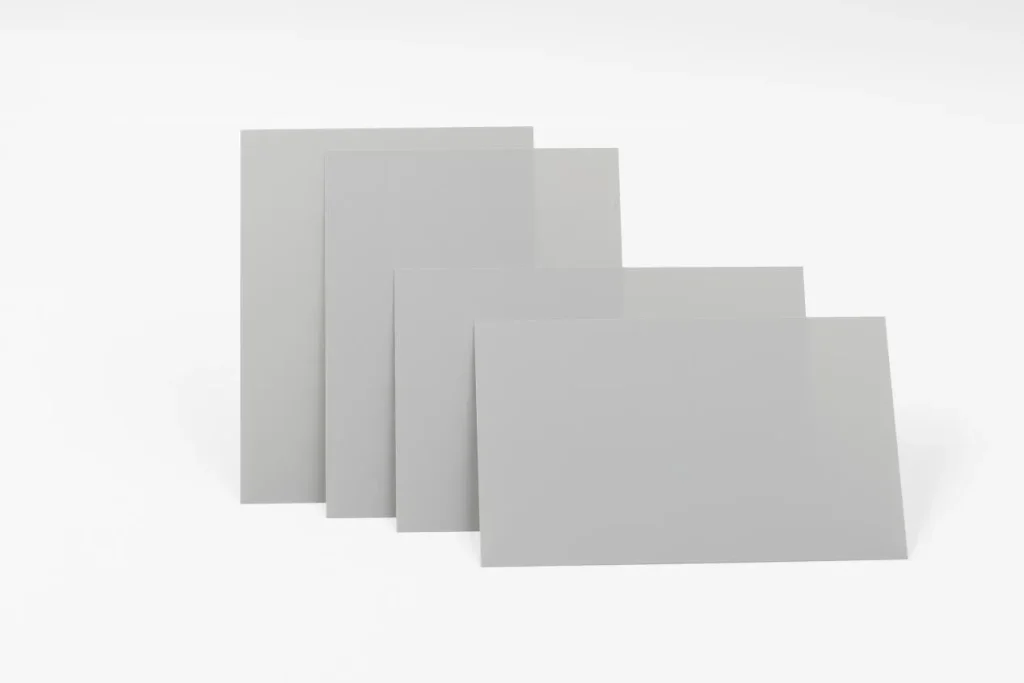
INNOVA Supplies offers alumina (Al₂O₃), aluminum nitride (AlN), and silicon nitride (Si₃N₄) ceramic substrates in standard sizes for power electronics, semiconductor packaging, and new energy applications.
For special dimensions or application-specific requirements, processing can be evaluated based on customer drawings and project specifications. For qualified batch applications, further customized production support can also be discussed.
For material selection, substrate specifications, or quotation requests, please contact info@innovasupplies.com with your application requirements and relevant technical parameters.