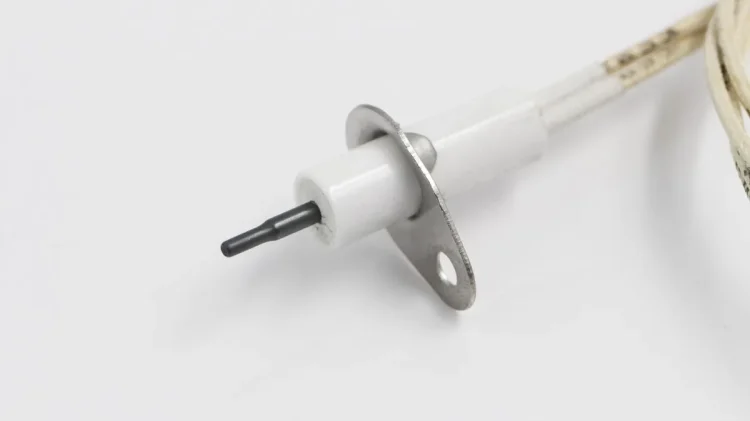
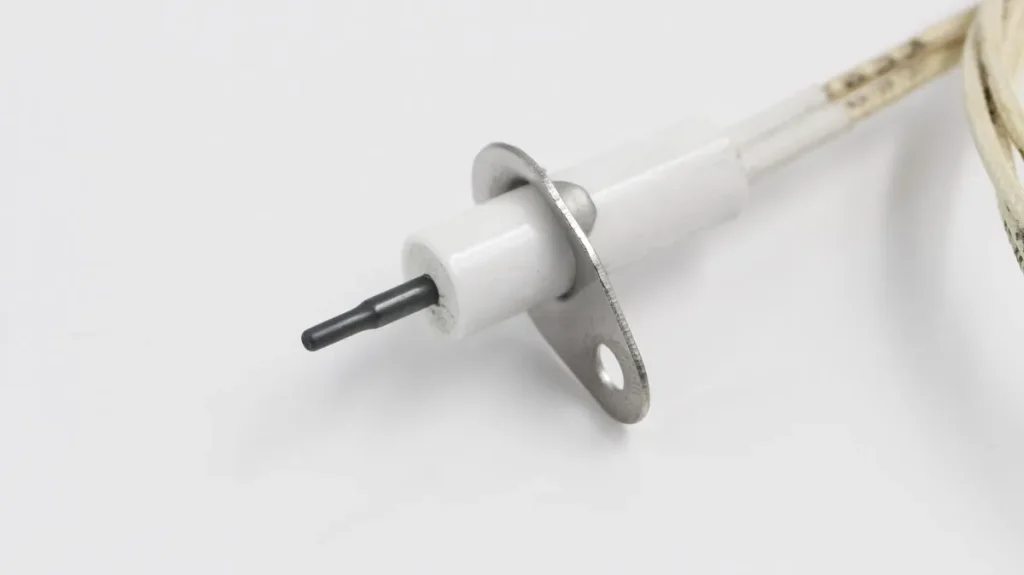
Boilers serve as critical thermal energy equipment in many industrial and commercial systems, where ignition reliability, operational stability, and long-term durability are essential. In this context, silicon nitride hot surface igniters have increasingly demonstrated clear advantages over conventional metal ignition pins. A comparison of their performance in boiler ignition systems highlights several key benefits.
| Comparison Dimension | Traditional metal ignition pins (such as stainless steel, brass) | Silicon nitride hot surface igniter | Core advantages |
| Temperature resistance and thermal shock resistance | Long-term temperature resistance ≤ 600℃, prone to cracking and deformation due to sudden cooling and heating | Long-term temperature resistance ≥1300℃, excellent thermal shock stability, no cracking risk | Adapt to the high-temperature flue gas environment of the boiler to avoid frequent damage to ignition components |
| Anti-corrosion and anti-scaling capabilities | Susceptible to flue gas corrosion and rust, boiler scale easily adheres and causes ignition failure | Strong chemical inertness, no corrosion, no scaling, long-lasting and stable ignition performance | Reduce boiler shutdown times for maintenance and lower operation and maintenance costs |
| Ignition success rate and environmental adaptability | Affected by humidity, dust, and gas concentration, it is easy to fail to start at low temperatures | Not affected by environmental factors, the ignition success rate is nearly 100% in environments from -40℃ to high temperatures | Ensure the boiler starts at low temperatures in winter and operates stably under high dust conditions |
| Service life and replacement frequency | The service life is about 2000-3000 hours, and it typically needs to be replaced every 3-6 months. | Service life 8000-12000 hours, replacement every 2-3 years | Reduce downtime for replacement and reduce spare parts procurement costs |
| Safety and energy consumption | Relying on high-voltage electric sparks, there is a risk of gas leakage and explosion; high-voltage modules have high energy consumption | No high-voltage electric sparks, higher safety; low working power, energy consumption saved by 30% | Improve boiler operation safety and save electricity consumption in long-term use |
Using an industrial gas boiler in a chemical processing facility as an example, replacing traditional ignition needles with silicon nitride hot-surface igniters significantly improved operational performance. The boiler ignition success rate increased from 85% to 100%, while the replacement cycle for ignition components was extended from once every four months to approximately once every two years. As a result, annual maintenance downtime was reduced by around 12 hours, and overall operation and maintenance costs decreased by more than 40%. In addition, safety risks previously associated with corrosion and gas leakage from traditional ignition pins were effectively eliminated.
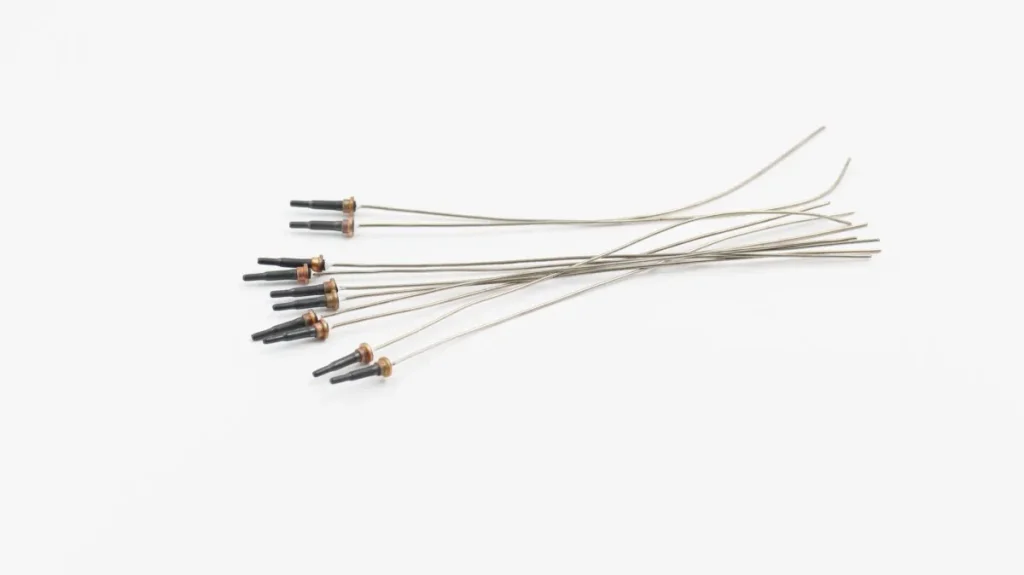
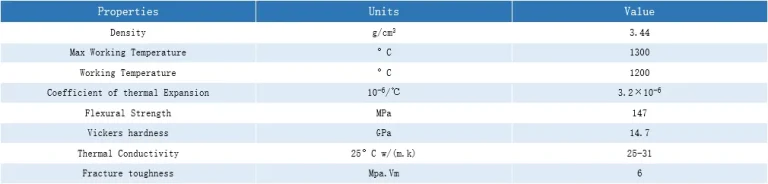
The performance data of the silicon nitride igniter is as follows:
Overall, as boiler systems continue to demand greater reliability, enhanced safety, and reduced maintenance, silicon nitride hot-surface igniters are proving to be a highly effective alternative to traditional metal ignition pins. Their excellent high-temperature resistance, strong thermal shock stability, superior corrosion and scaling resistance, and significantly longer service life make them particularly well-suited for modern boiler ignition systems.