Silicon carbide ceramics are widely recognized for their low thermal expansion coefficient, high thermal conductivity, excellent chemical stability, and outstanding wear resistance. These characteristics make SiC an attractive candidate for advanced structural ceramics. When engineered with carefully controlled porous structures, porous SiC ceramics not only retain the intrinsic advantages of silicon carbide but also gain additional functionalities such as high specific surface area and adjustable permeability. As a result, their potential applications have expanded across a wide range of industrial and technological fields.
I. Properties of Porous SiC Ceramics
1. Porosity Characteristics
① Porosity
Porosity refers to the proportion of the total volume of a material that is occupied by pores. In porous materials, pores are generally categorized into three types: open pores, semi-open pores, and closed pores. Studies indicate that many key performance characteristics of porous materials are strongly influenced by their overall porosity.
② Pore morphology
Pore morphology describes the shape and structural features of the pores within a porous ceramic. When the pores are approximately equiaxed, the material tends to exhibit isotropic properties. In contrast, elongated or plate-like pores can introduce directional characteristics. For example, porous SiC ceramics produced through silicon infiltration of carbonized wood often inherit the natural directional pore structure of the original template.
③ Pore size and distribution
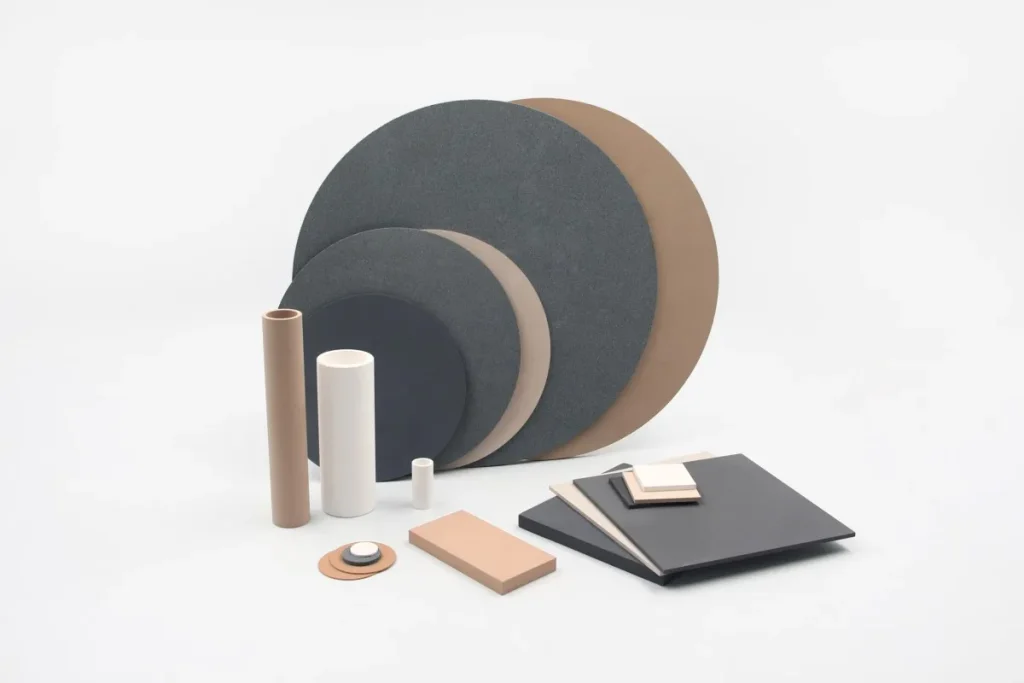
Pore size is another critical parameter in porous ceramics. Materials with pore diameters below 2 nm are typically classified as microporous, those between 2 and 50 nm as mesoporous, and those larger than about 20 nm as macroporous. Pore size and distribution directly influence properties such as permeability, flow rate, and filtration efficiency.
2. Mechanical Properties
Porous SiC ceramics are inherently brittle materials. Their mechanical performance is commonly evaluated using flexural strength or compressive strength. Both porosity and manufacturing methods have a considerable influence on the mechanical properties of porous SiC ceramics.
3. Thermal Conductivity
Thermal conductivity in porous ceramics is strongly affected by both porosity and pore morphology. In materials with evenly distributed pores, increasing porosity generally leads to a reduction in thermal conductivity. However, because different manufacturing processes produce different pore structures, the resulting heat transfer behavior can vary and may become more complex.
II. Major Applications of Porous SiC Ceramics
1. Filtration Materials
① High-temperature metal melt filtration
Porous SiC ceramic filters are widely used for filtering molten metals. In addition to molten iron, they are also applied in aluminum melt filtration. Studies have shown that porous SiC filters exhibit better wettability with molten aluminum compared with porous alumina filters. This improved interaction can enhance metal flow efficiency and help remove inclusions from molten aluminum.
② Gas filtration
Gas filtration systems based on porous ceramics offer several advantages, including low flow resistance, easy regeneration, and high filtration efficiency. Porous SiC ceramics, in particular, provide low pressure drop, excellent heat resistance, and strong thermal shock resistance. Their high efficiency in capturing oil mist makes them especially suitable for applications such as diesel engine exhaust filtration.
2. Catalyst Supports
Porous SiC ceramics feature high porosity, high thermal conductivity, and excellent resistance to oxidation and corrosion. Their irregular surface and abundant pore network provide a large surface area for catalytic reactions. When used as catalyst supports, these materials significantly increase the contact area between reactants and catalysts. In addition, their high thermal conductivity helps catalysts reach activation temperatures more quickly, thereby improving overall reaction efficiency.
3. Sound-Absorbing and Microwave-Absorbing Materials
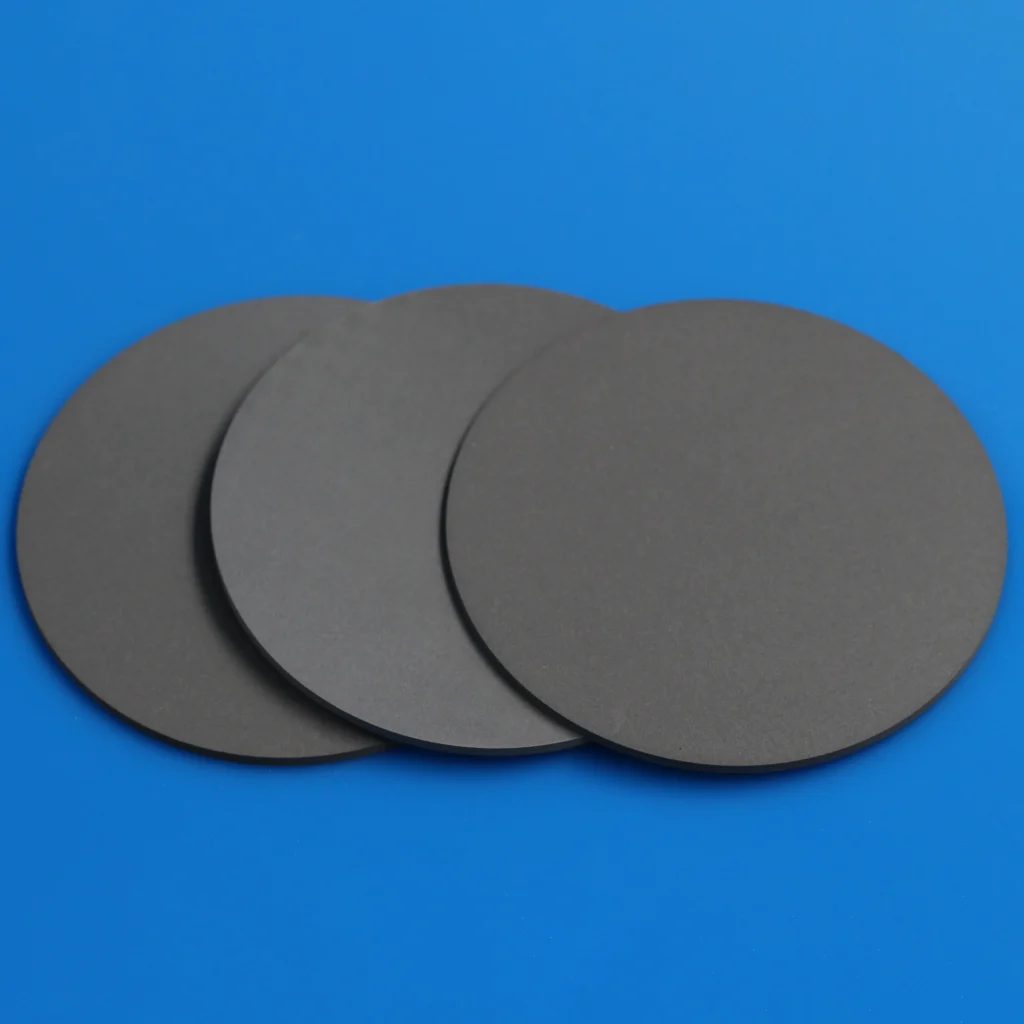
The interconnected pore structure of porous SiC enables effective sound absorption. As sound waves travel through the material, acoustic energy is gradually dissipated through air viscosity within the pores and the intrinsic damping characteristics of the ceramic framework. In addition, porous SiC exhibits favorable microwave absorption behavior, making it a promising candidate for electromagnetic wave-absorbing materials.
4. Biomedical Materials
The porosity and pore size of porous ceramics can be tailored to specific requirements, including the formation of interconnected pore networks. Combined with their lightweight structure, relatively high strength, and good biocompatibility, porous SiC ceramics have potential applications as bone tissue substitutes and scaffolding materials in biomedical engineering.
5. Thermal Engineering Materials
In thermal insulation applications, porous SiC ceramics mainly rely on closed-pore structures to reduce heat transfer and achieve effective insulation. When used in heat exchangers, their high porosity creates a large heat-exchange surface area while maintaining advantages such as heat resistance, corrosion resistance, and contamination-free operation.