The oil and gas industry continues to encounter demanding operating conditions, prompting a growing need for materials that deliver exceptional durability and reliability. Companies in this sector increasingly seek alternatives to traditional materials that can withstand extreme environments while ensuring long-term performance.
INNOVA Supplies provides a portfolio of silicon nitride and zirconia materials specifically engineered to resist corrosion, wear, and thermal stress. These advanced ceramics are capable of enduring the most challenging conditions encountered throughout exploration, drilling, production, and refining operations.
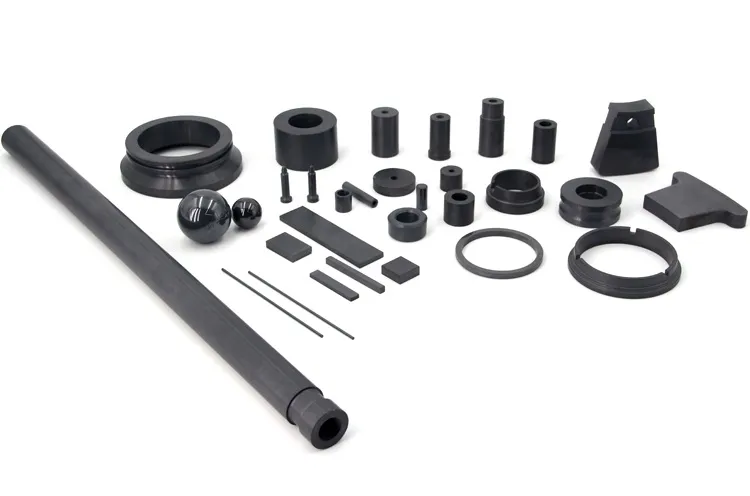
Key Features of Silicon Nitride (Si₃N₄):
- Superior fracture toughness
- Outstanding thermal shock resistance
- Low coefficient of thermal expansion
- Exceptional hardness and wear resistance
- Excellent chemical resistance in acidic and alkaline environments
- High mechanical strength at room temperature and up to 1300°C
Key Features of Zirconia:
- High resistance to cavitation
- Strong corrosion and abrasion resistance
- Elevated mechanical strength and fracture toughness
- Durable against most chemicals and abrasive slurries

Applications in Oil and Gas Operations:
- Heat Exchangers and Thermal Management
Silicon nitride and zirconia tubes are ideal for heat exchangers, maintaining efficient heat transfer while resisting corrosion and extreme temperatures. Their thermal stability ensures consistent performance under demanding thermal cycles. - Liners for Drilling Tools
Serving as liners in drilling equipment, silicon nitride and zirconia tubes withstand abrasive materials and chemical exposure, enhancing the durability and operational lifespan of drilling tools. - Protective Sleeves for Sensors and Probes
These ceramic tubes protect sensitive sensors and probes in oil and gas environments, shielding them from harsh conditions and enabling accurate, reliable data collection.