In advanced equipment manufacturing, precision balls are critical components that directly influence system performance and operational stability. Compared with conventional steel balls, ceramic precision balls offer clear advantages in demanding environments such as precision bearings, fluid control systems, and semiconductor equipment.
When selecting ceramic balls, material properties are important—but geometric accuracy is equally critical. This is where G grades (such as G10, G5, and G3) come into play, serving as a standard measure of precision and manufacturing quality.
I. What Are Ceramic Precision Balls?
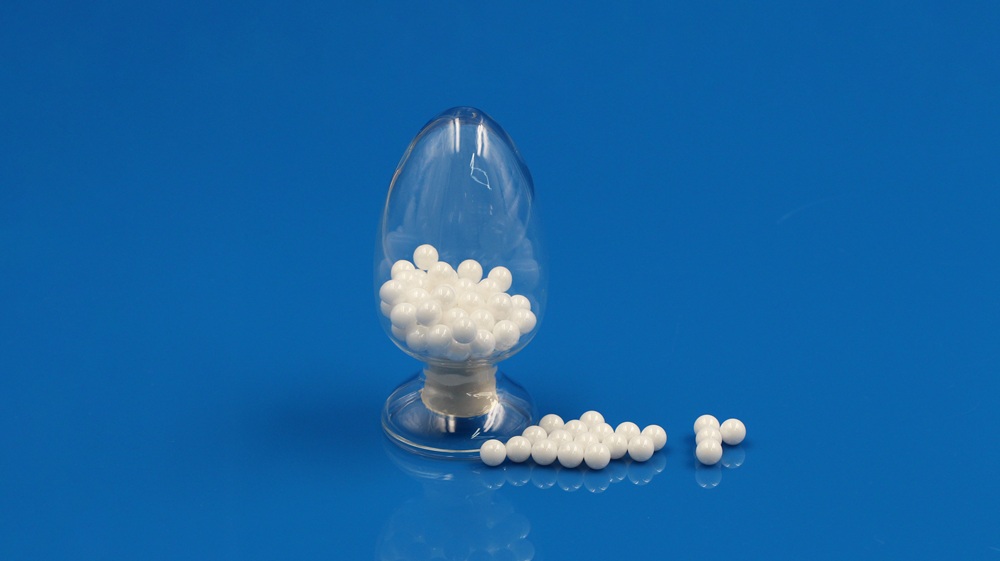
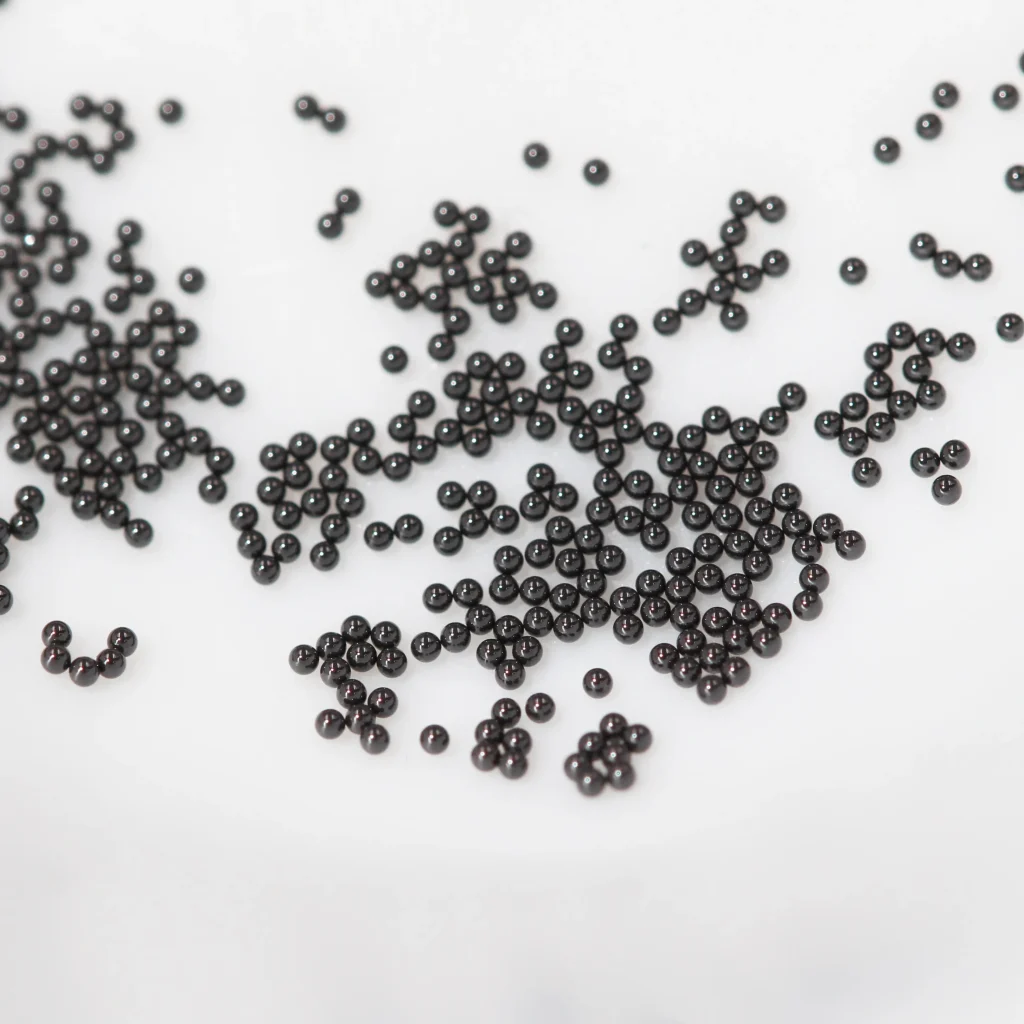
Ceramic precision balls are high-accuracy spherical components made from advanced materials such as zirconia, silicon nitride, and alumina. They are produced through controlled forming, high-temperature sintering, followed by multiple stages of grinding and polishing.
Compared to steel balls, ceramic alternatives offer several key benefits:
– Lower density, reducing centrifugal force and energy consumption
– High hardness and wear resistance, extending service life
– Strong corrosion resistance, suitable for aggressive chemical environments
– Excellent thermal stability, maintaining performance under temperature fluctuations
– Electrical insulation and non-magnetic properties, ideal for electronics and semiconductor applications
These characteristics make ceramic balls particularly suitable for high-speed, high-temperature, and high-purity environments.
II. G Grades: A Measure of Precision
In addition to material quality, dimensional accuracy is a key performance factor. G grades define the geometric precision of ceramic balls and are typically based on international standards such as ISO 3290 and ANSI/ABMA.
They evaluate several parameters, including:
– Diameter variation within a batch
– Sphericity (roundness)
– Surface quality, including micro-defects
– Consistency across production batches
As a general rule, a lower G value indicates higher precision and tighter manufacturing tolerances. It should be noted that exact definitions may vary slightly between standards and suppliers, so technical specifications should always be confirmed for specific applications.
III. Application of Common G Grades
| G Grade | Precision Level | Key Characteristics (Engineering View) | Typical Applications | Technical Reference (Typical Range) |
|---|---|---|---|---|
| G200–G50 | General Industrial Grade | Larger dimensional tolerance, for low-speed or non‑precision applications | Agricultural machinery, standard bearings, basic mechanical structures | Diameter tolerance: ≥5 μm |
| G25–G10 | Standard Industrial Grade | Balanced cost & performance, suitable for most industrial uses | General bearings, pump & valve systems, home appliances | Diameter tolerance: approx. 0.25–1 μm |
| G5 | Medium‑High Precision | Excellent dimensional consistency, stable operation, low vibration | Automotive bearings, high‑speed motors, precision equipment | Diameter tolerance: approx. 0.1–0.5 μm |
| G3 | High Precision | Minimal geometric error, for high‑speed & high‑stability applications | High‑speed spindles, precision instruments, semiconductor equipment (partial) | Sub‑micron level control |
| G1–G0 | Ultra‑High Precision | Near‑perfect spherical form, extremely high machining & inspection requirements | Aerospace, high‑end instruments, advanced manufacturing systems | Ultra‑low tolerance (near nano‑level control) |
IV. How to Choose the Right G Grade
Selecting the appropriate G grade requires balancing performance needs with cost considerations. Three main factors should be evaluated:
1. Equipment requirements
High-speed, high-precision, or heavily loaded systems benefit from lower G-grade (higher precision) balls, which help reduce vibration and improve stability.
2. Operating environment
In high-temperature, corrosive, or ultra-clean environments, ceramic materials are preferred, and higher precision grades can further enhance reliability.
3. Cost-performance balance
As G grades become more stringent, manufacturing complexity and inspection requirements increase, leading to higher costs. Selecting a grade that meets performance requirements without over-specification is key to optimizing overall value.
V. Ceramic vs. Steel Balls: Performance Comparison
At the same precision level, ceramic balls typically provide better overall performance than steel alternatives:
– Reduced friction and wear
– More stable operation at high speeds
– Longer service life
– Greater adaptability to harsh environments
For these reasons, ceramic precision balls are increasingly replacing steel balls in high-performance and specialized applications.
VI. Conclusion
INNOVA Supplies offers a stable supply of ceramic precision balls ranging from G3 to G200, available in materials such as zirconia, silicon nitride, and alumina. With multiple size options, these products support a wide range of applications—from general industrial use to medium and high-precision requirements.