As data centers, AI computing infrastructure, and high-speed communication networks continue to advance, optical modules are rapidly moving toward higher data rates, greater functional integration, and increasingly compact form factors. The transition from 100G and 400G to 800G—and now toward 1.6T—has led to a sharp rise in power density within a limited package volume. As a result, heat generated by laser sources and modulation components has become one of the primary constraints on system performance.
Within an optical module, key components such as laser diode (LD) chips, high-power modulators (e.g., EMLs), and their associated driver circuits are highly sensitive to temperature. Insufficient heat dissipation can lead to wavelength drift, reduced output power, and accelerated device aging, ultimately compromising long-term module reliability and overall network stability.
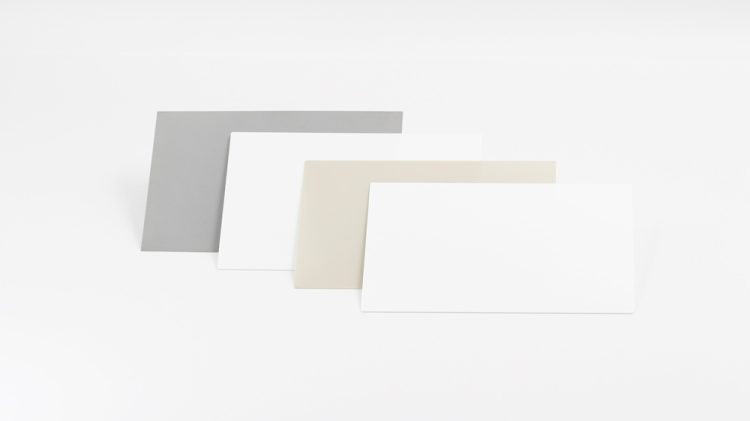
Core solution: High-performance aluminum nitride ceramic heat-spreading substrates
Aluminum nitride (AlN) ceramics typically exhibit a thermal conductivity in the range of 170–230 W/m·K. During laser and high-power modulator operation, AlN substrates efficiently transfer heat away from the chip junction to downstream heat sinks or module housings. This effective thermal management capability helps to:
- Lower the junction temperature of optical chips
- Enhance the output stability of laser devices
- Support reliable long-term operation under high-power conditions
Optimized thermal expansion matching for robust package reliability
Beyond thermal conductivity, compatibility in thermal expansion between different materials is critical to the reliability of optical module packaging. The coefficient of thermal expansion (CTE) of aluminum nitride ceramics closely matches that of commonly used optical semiconductor materials such as GaAs, InP, and silicon. Under rapid temperature fluctuations or prolonged thermal cycling, this compatibility significantly reduces interfacial thermal stress.
In practical terms, this enables:
- Lower risk of solder joint cracking and interfacial delamination
- Improved structural stability under demanding operating conditions
- Compliance with the stringent long-term reliability requirements of telecom-grade optical modules
Balanced material properties for advanced optical chip packaging
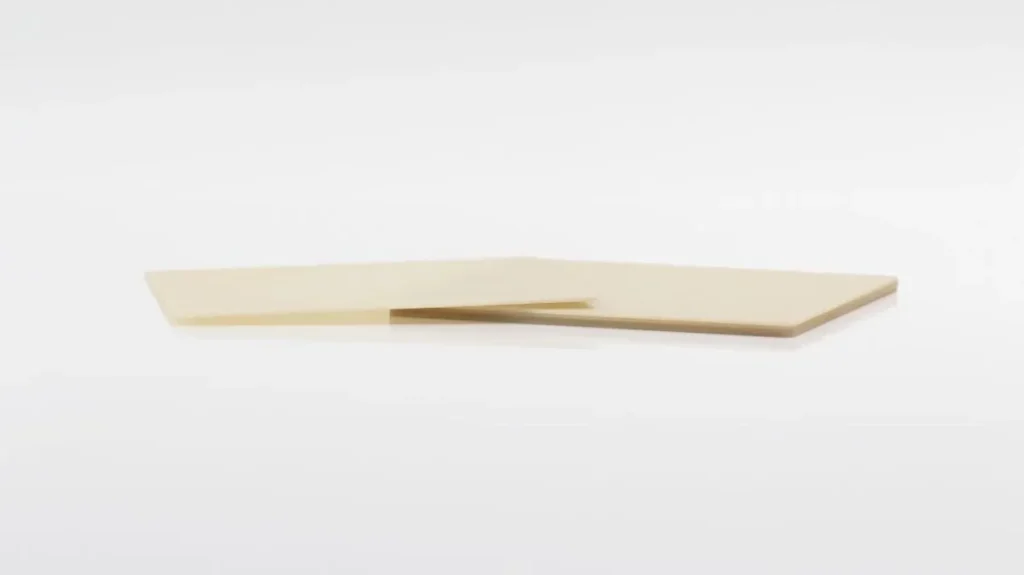
As a core substrate material in optical module packaging, aluminum nitride ceramics combine high thermal conductivity with a set of complementary performance advantages:
- Excellent electrical insulation, supporting stable high-speed signal transmission
- High mechanical strength, suitable for precision assembly and extended service life
- Strong chemical stability and aging resistance, enabling use in harsh environments
These balanced material properties make aluminum nitride ceramics an ideal foundation for high-value optical chips. In practical optical module designs, AlN ceramic substrates are primarily used to support and dissipate heat from laser diode chips and high-power modulators such as EMLs. Depending on specific application requirements and packaging architectures, substrate dimensions and metallization schemes can be customized, while remaining compatible with standard soldering and assembly processes. This flexibility ensures stable module operation even under high power density conditions.
As high-speed optical modules continue to evolve toward higher power levels and smaller footprints, effective thermal management and packaging reliability have become unavoidable design priorities. With their outstanding thermal performance, excellent thermal expansion matching, and proven long-term stability, high-performance aluminum nitride ceramic substrates have become essential materials for advanced optical modules. Innovacera is committed to delivering stable, reliable, and customizable AlN ceramic substrate solutions for the optical communications industry, supporting customers in the development of next-generation high-speed optical module technologies.