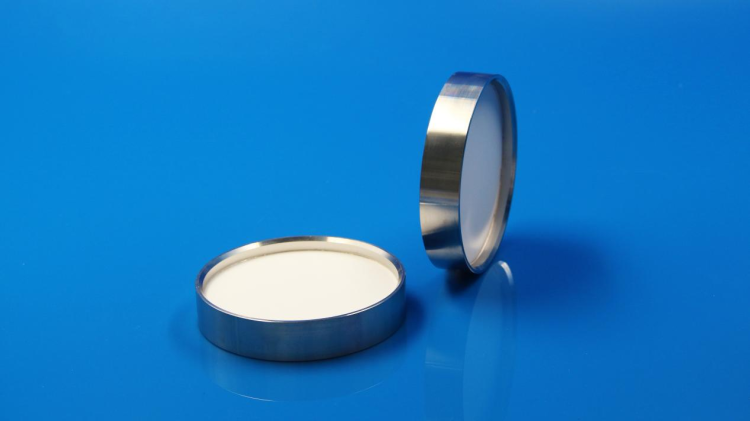
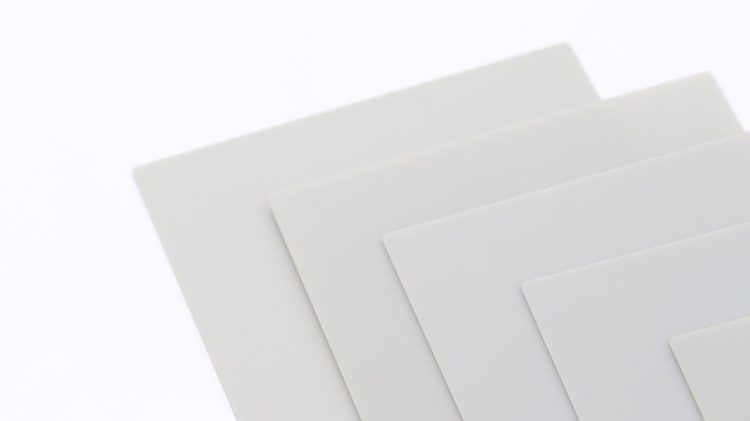
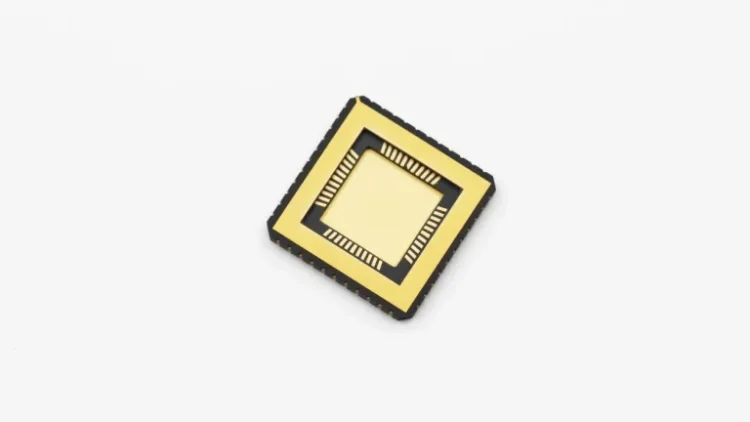
In oil and gas drilling, shale gas fracturing, and offshore platform operations, mud pumps must run continuously under high-pressure, high-flow conditions year-round. The drilling fluid typically carries a high concentration of hard particles such as sand and rock cuttings. As it circulates at high velocity, it continuously erodes the inner wall of the cylinder liner. Conventional metal liners tend to wear quickly under these conditions, and sealing performance gradually degrades over time. This not only increases replacement frequency but can also lead to unplanned shutdowns, directly impacting overall drilling efficiency.
Against the backdrop of increasingly complex operating environments and growing pressure to reduce operational costs while improving efficiency, upgrading the wear resistance of critical mud pump components has become a clear industry priority. Among the available solutions, ceramic-based composite liner structures have gained significant attention due to their superior wear resistance and extended service life, making them an important technical direction for oil and gas drilling applications.
01 Challenges Under High-Wear Operating Conditions
In real drilling environments, mud pump cylinder liners must withstand long-term reciprocating high-pressure loads while simultaneously resisting continuous erosion from sand-laden drilling fluids.
Field experience shows that traditional bimetallic liners present several recurring issues:
- Rapid wear progression: Continuous erosion from abrasive fluids leads to severe inner wall degradation
- Seal degradation: Increased surface roughness accelerates wear of piston seals and shortens service life
- Reduced pumping efficiency: Increased fluid leakage leads to a decline in overall hydraulic performance
- Frequent maintenance cycles: Short service life results in repeated shutdowns for replacement and repair
These limitations become especially pronounced in deep and ultra-deep wells, as well as in shale gas fracturing operations, where higher pressures, higher sand content, and longer operating cycles place significantly greater demands on equipment reliability and stability.
02 Material and Structural Upgrades
To address high wear and high load conditions, the industry has gradually shifted from traditional metal-only solutions toward composite material systems. Among them, zirconia toughened alumina (ZTA)-based ceramics have demonstrated a well-balanced combination of mechanical and tribological properties.
Key material advantages include:
- High hardness: Strong resistance to particle erosion and surface wear
- Toughening mechanism: Improved resistance to brittle fracture and enhanced impact tolerance
- Thermal shock resistance: Stable performance under frequent start-stop cycles and temperature fluctuations
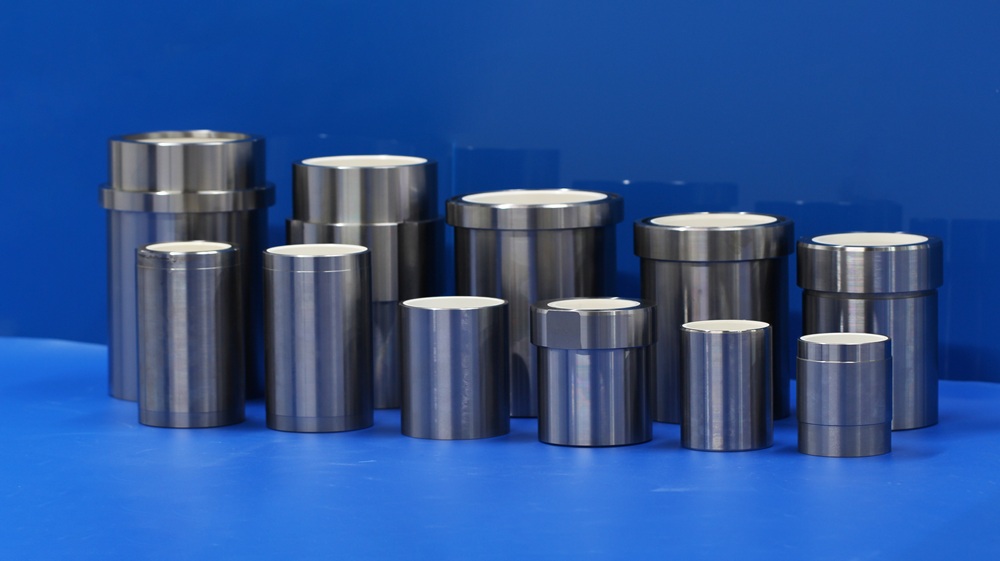
From a structural perspective, a widely adopted design is the “metal outer sleeve + ceramic inner liner” composite configuration:
- Outer layer: Typically 304 stainless steel or high-strength alloy steel, providing structural support and impact resistance
- Inner layer: ZTA ceramic, responsible for wear resistance and corrosion protection
This hybrid structure has already been widely implemented in engineering practice and has reached a relatively mature application stage. In addition, precision machining and high-accuracy assembly processes allow the ceramic bore to achieve excellent roundness and surface finish, which helps reduce flow resistance and improve overall pumping efficiency.
03 Performance Benefits and Application Value
Under real operating conditions, ZTA ceramic cylinder liners demonstrate stable and well-balanced performance characteristics:
- Significantly improved wear resistance: Substantially reduced wear rate under high sand-content drilling fluids
- Enhanced impact resistance: Lower risk of cracking caused by particle impact or mechanical vibration
- Improved sealing stability: More consistent sealing performance under complex operating conditions
- More stable operation: High-precision inner bore reduces friction losses and energy consumption
From an operational standpoint, the overall value is reflected in several key areas:
- Reduced downtime: Longer service intervals improve continuous operation capability
- Lower maintenance costs: Reduced frequency of replacement parts and maintenance interventions
- Equipment protection: Minimizes wear on pump assemblies and related system components
Although the initial investment is higher compared to conventional metal liners, the long-term lifecycle cost is significantly more favorable under continuous high-intensity operation. At present, this solution has already been validated in field applications such as land-based oil drilling, shale gas fracturing, and offshore drilling platforms, with increasingly mature engineering adoption.
04 Future Trends and Product Solutions
As the oil and gas industry continues to raise its requirements for equipment reliability and operational efficiency, the material upgrading of mud pump components is expected to further accelerate. Among current solutions, ZTA composite ceramic liners have emerged as one of the most practical and widely adopted technologies.
Based on real operating conditions, Innovacera’s ceramic cylinder liners adopt a ZTA ceramic + metal composite structure design. This configuration ensures both structural integrity and significantly improved wear and impact resistance, making it suitable for high-pressure, high-sand-content, and long-duration operating environments.
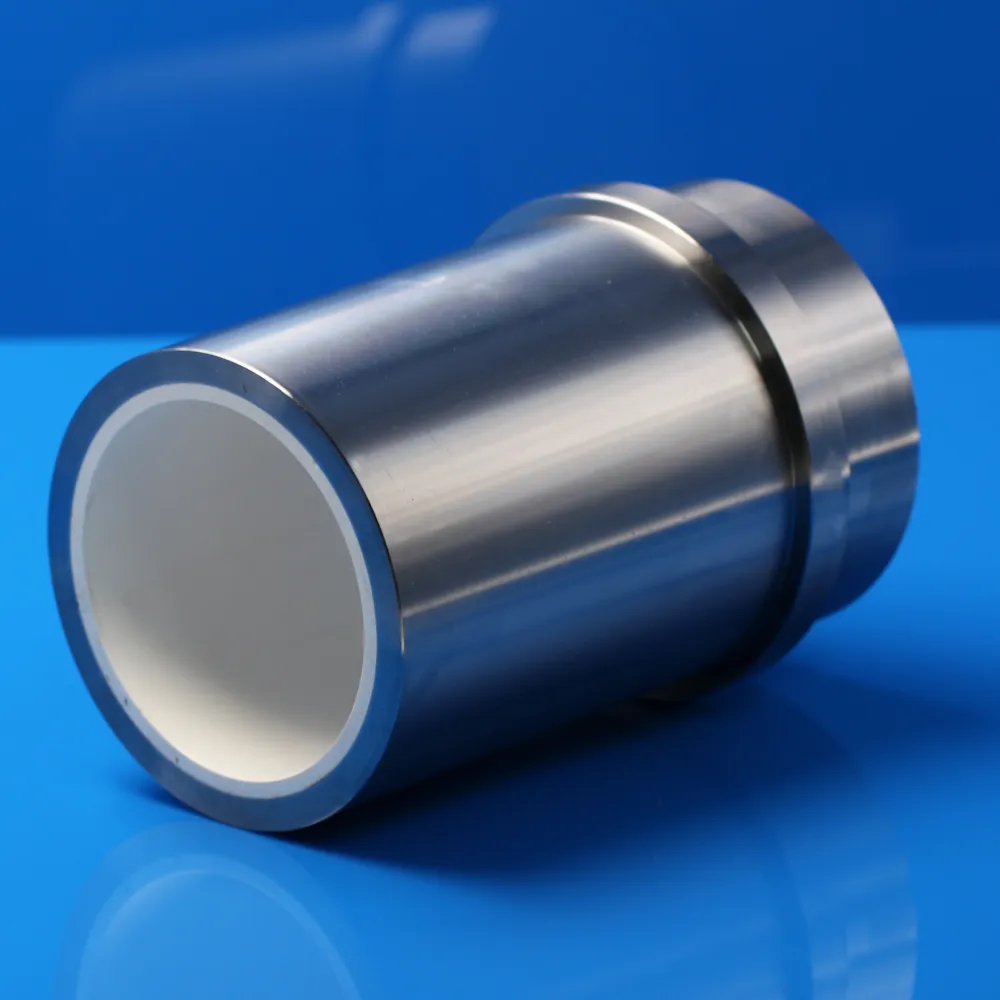
Key product features include:
- ZTA composite ceramic liner combining wear resistance and impact toughness
- 304 stainless steel or high-strength metal outer casing for structural stability
- Micron-level precision machining for improved sealing performance and efficiency
- Suitable for harsh environments such as oil & gas drilling, shale gas fracturing, and offshore platforms
Through optimized material pairing and structural design, this solution effectively extends service life, reduces downtime frequency, and lowers total lifecycle operating costs.
For further information regarding ceramic liner selection or customized solutions, please contact us at info@innovasupplies.com for technical support.