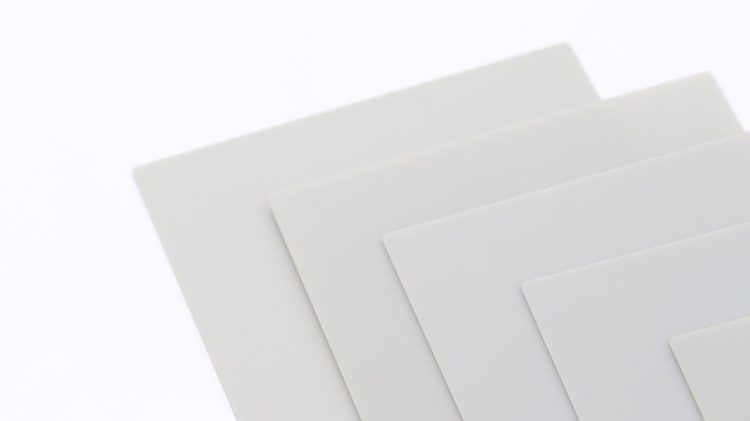
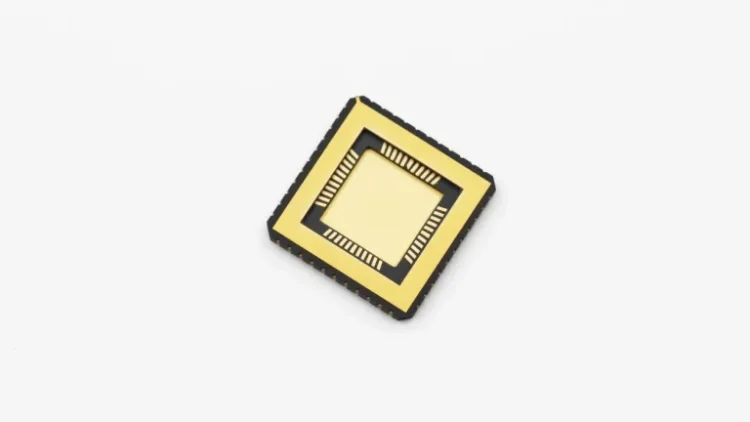
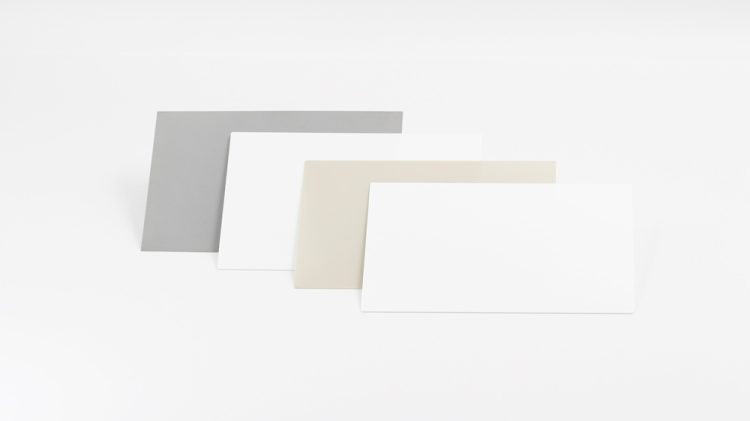
MCH ceramic heaters have become a well-established and widely adopted heating solution in consumer electronics. Today, they are commonly found in products such as hot glue guns, soldering irons, beauty devices, and smart toilet seats, where safety, stability, and durability are critical.
Compared with traditional heating elements, ceramic heaters have gradually become the preferred choice across most compact household and handheld devices. The reasons behind this shift are closely tied to performance, safety, and long-term reliability.
I. Key Advantages Compared with Traditional Heating Technologies
1. Higher Electrical Safety for Household and Handheld Use
One of the most important advantages of ceramic heaters is their inherent electrical safety.
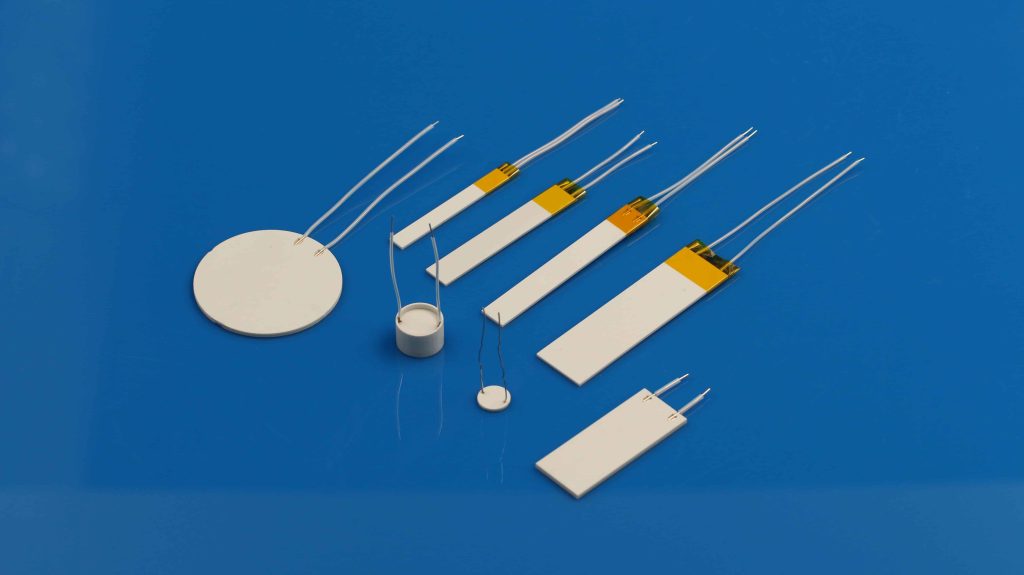
The heating core is fully embedded inside high-purity alumina ceramic, a material with excellent electrical insulation properties. As a result, the external surface remains non-electrified during operation. In contrast, traditional wire-wound heating elements place nichrome wire closer to insulating layers such as mica, which can degrade under moisture or prolonged use, increasing the risk of leakage or electrical failure—especially in handheld devices like glue guns.
Ceramic heaters also offer strong resistance to dry-burn conditions. Many PTC-based ceramic systems feature an automatic temperature-limiting behavior, reducing power output when a preset temperature is reached. This helps prevent overheating, casing deformation, or even fire hazards. Traditional resistance wire, however, may continue heating uncontrollably when exposed, often glowing red and damaging surrounding plastic components within seconds.
In addition, ceramic heaters are designed to withstand voltage breakdown and are fully compliant with household appliance safety standards such as 3C certification requirements.
2. Stable and Uniform Heating Performance
Ceramic heaters provide a much more consistent thermal distribution compared to conventional heating wires.
The heating surface is evenly integrated within the ceramic body, allowing for stable temperature output during operation. This ensures consistent material flow in applications such as hot glue dispensing, preventing issues like stringing, poor adhesion, or uneven output. In contrast, wire-based heating elements often generate localized hotspots, which can lead to clogging, overflow, or inconsistent bonding performance.
Ceramic heaters also offer faster thermal response. In practical use, glue guns or similar tools can reach working temperature within seconds, significantly improving user efficiency. Traditional mica-based systems typically require longer warm-up times before reaching stable operation.
3. Strong Mechanical Durability for Daily Handling
Ceramic heating elements are structurally robust and well-suited for portable and frequently used devices.
The heating element is densely encapsulated within the ceramic matrix, making it highly resistant to vibration, impact, and accidental drops. This is particularly important for handheld tools where mechanical stress is common. By comparison, traditional nickel-chromium wire structures are more fragile and prone to breakage under repeated movement or vibration.
Ceramic materials also demonstrate excellent thermal shock resistance. Repeated heating and cooling cycles do not easily cause cracking or delamination, whereas conventional heating systems tend to degrade faster under long-term thermal cycling.
In addition, ceramic heaters support compact and lightweight designs, making them ideal for miniaturized consumer electronics and portable devices.
4. Longer Service Life and Lower Maintenance Cost
Durability is another key advantage of ceramic heaters.
Typical ceramic heater lifespan ranges from 8,000 to 15,000 hours, depending on application conditions. In contrast, traditional wire-wound heating elements generally last around 1,000 to 3,000 hours.
This significant difference translates directly into lower replacement frequency, reduced downtime, and lower overall after-sales maintenance costs—especially in high-volume production or frequent household use scenarios.
5. Better Adaptability to Environmental Conditions
Ceramic heaters perform reliably in a wide range of operating environments.
They are resistant to moisture and light dust contamination, which helps maintain insulation stability even in humid workshops or household environments. Traditional mica-based heating elements, on the other hand, are more vulnerable to moisture absorption, which can quickly degrade insulation performance and increase failure rates.
6. Simple Temperature Control and System Compatibility
Ceramic heater technologies—especially PTC-based designs—can maintain a relatively stable operating temperature without complex control circuits. This simplifies system design and reduces electronic complexity.
When combined with basic temperature control circuits, MCH ceramic heaters can also achieve more precise thermal regulation, making them suitable for adjustable-temperature glue guns and multi-mode consumer devices. This flexibility allows manufacturers to design products with simpler circuitry while maintaining reliable thermal performance.
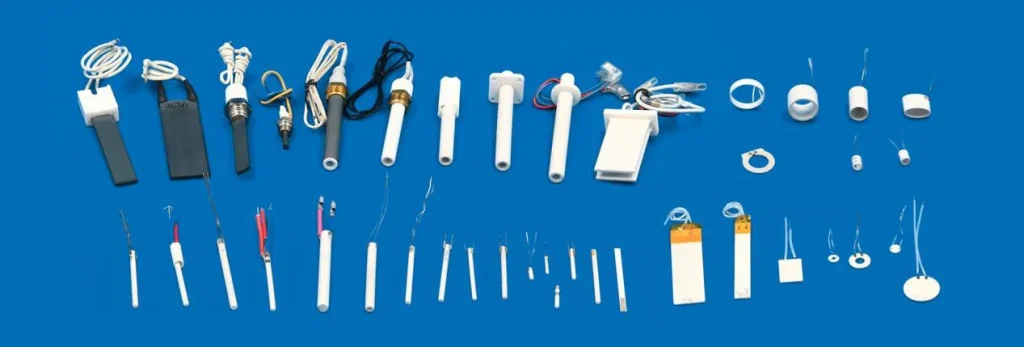
INNOVA Supplies provides ceramic heater solutions for a wide range of applications. For technical inquiries or product support, please contact us at info@innovasupplies.com.