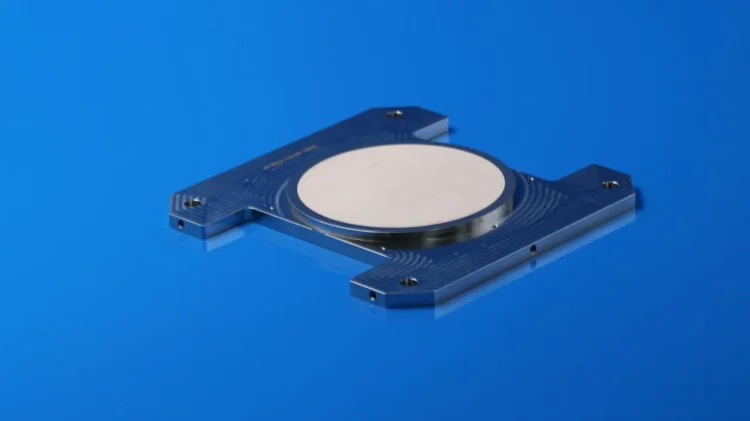
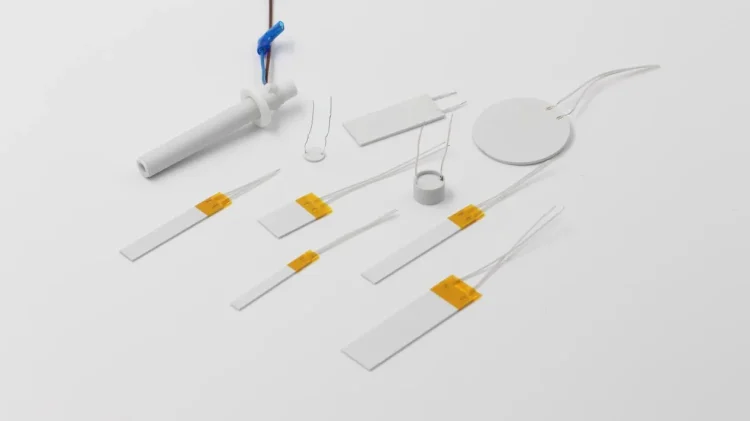
Advanced ceramics play an increasingly important role across a wide range of industries, including semiconductor manufacturing, environmental protection, renewable energy, and precision equipment. Among them, microporous ceramics and porous ceramics are often grouped because of their similar names and porous structures. However, these materials differ significantly in pore characteristics, performance priorities, and application areas.
For engineers, designers, and procurement professionals, understanding these distinctions is essential for selecting the most suitable material for a given operating environment.
I. What Distinguishes Microporous Ceramics from Porous Ceramics?
The primary differences between microporous ceramics and porous ceramics lie in pore size, pore structure control, and intended functionality.
1. Microporous Ceramics
Microporous ceramics typically feature pore sizes in the micron or sub-micron range. Through carefully controlled formulations and manufacturing processes, these materials achieve highly uniform and predictable pore structures.
Key characteristics include:
- Uniform pore size distribution
- Highly controlled pore architecture
- Excellent suitability for filtration, gas diffusion, and capillary-based applications
- Consistent fluid management performance
In addition, microporous ceramics can be manufactured with controlled surface finishes, such as Ra 0.4, making them particularly suitable for applications that require high cleanliness standards and precise fluid control.
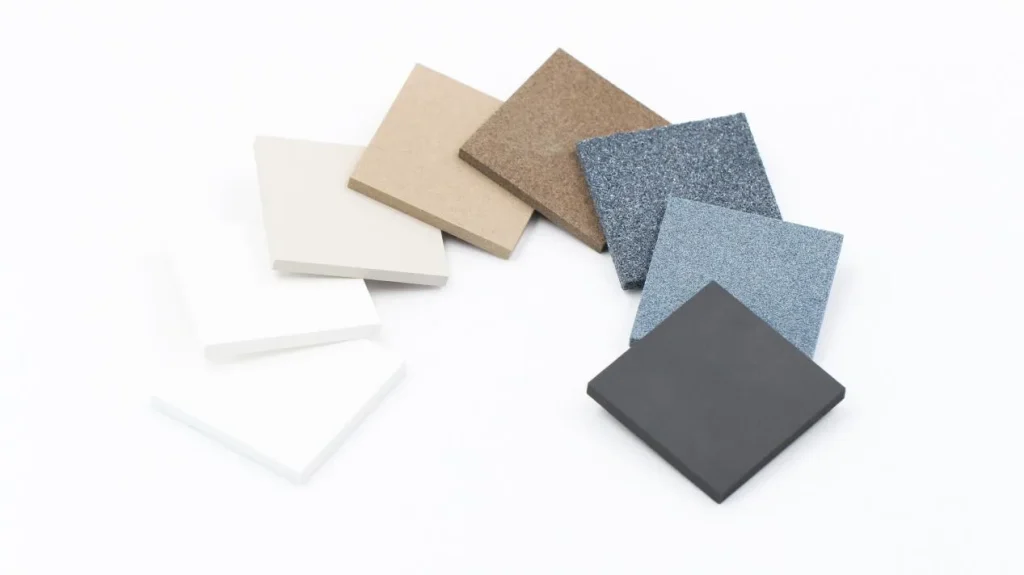
2. Porous Ceramics
Porous ceramics generally contain larger and less uniform pore structures. These materials are typically designed with higher overall porosity to maximize permeability and reduce weight.
Their main features include:
- Broad pore size range
- Irregular pore distribution
- High porosity and strong permeability
- Good mechanical strength and high-temperature resistance
Compared with microporous ceramics, porous ceramics are usually selected for applications where overall flow capacity and structural performance are more important than precise pore-size control.
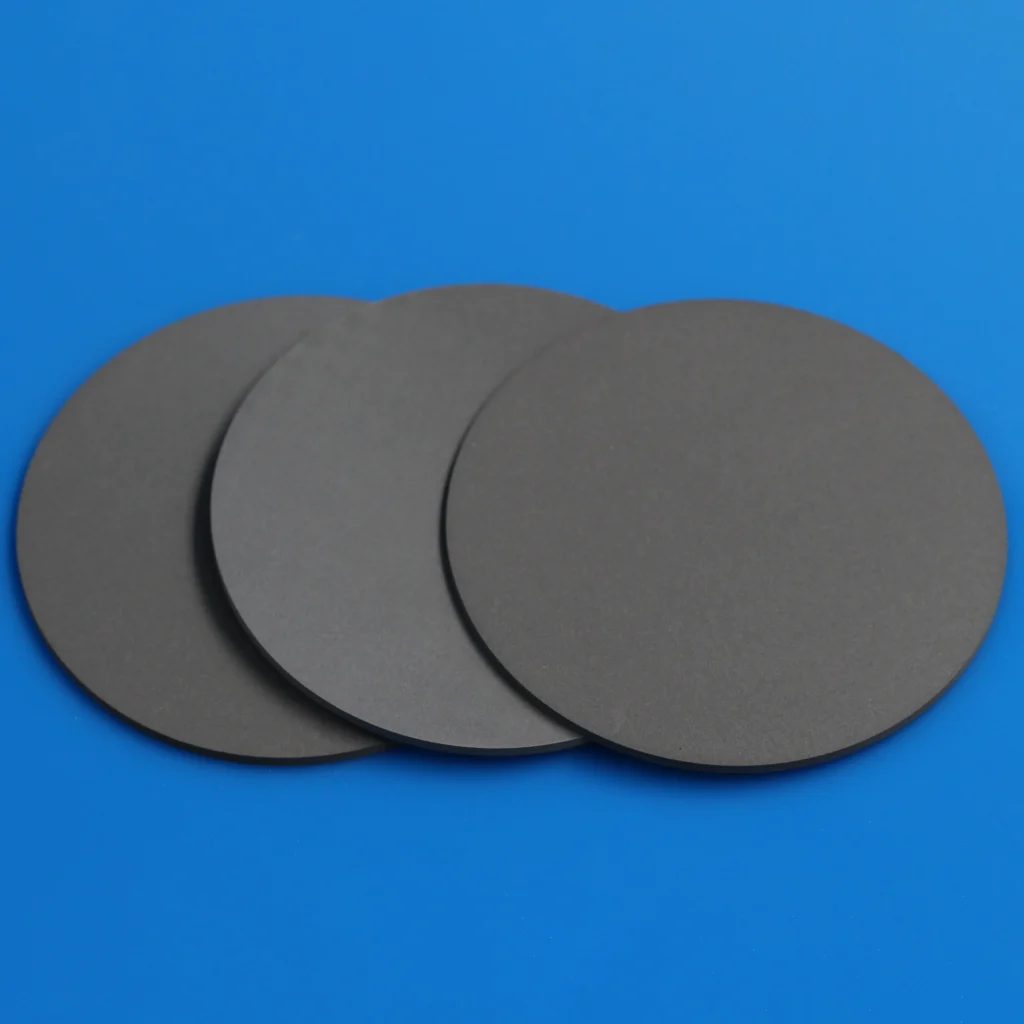
3. Manufacturing Process Differences
The production methods used for these materials also differ considerably.
Microporous ceramics require strict control of forming and sintering parameters to achieve consistent pore size distribution and repeatable performance.
Porous ceramics are commonly produced using foaming techniques, pore-forming additives, or partial sintering processes. These methods are generally mature, cost-effective, and well-suited for large-scale production.
II. Differences in Industrial Applications
Because of their structural differences, microporous and porous ceramics serve different functions in industrial systems.
1. Typical Applications of Microporous Ceramics
Microporous ceramics are commonly used in applications where precision, consistency, and reliability are critical, including:
- Fine filtration systems for liquids and gases
- Functional components in semiconductor equipment
- Fuel cells and gas diffusion layers
- Medical filtration and sterilization devices
These applications typically require accurate flow control, stable filtration performance, and long-term operational reliability.
2. Typical Applications of Porous Ceramics
Porous ceramics are better suited to environments requiring high permeability, thermal resistance, or structural support. Common applications include:
- Thermal insulation materials for industrial furnaces
- Catalyst supports in chemical and environmental systems
- Molten metal filtration
- Sound absorption materials and lightweight structural components
In these applications, overall permeability, heat resistance, and mechanical stability are usually the primary considerations.
III. Material Selection Considerations
Selecting the appropriate material depends largely on the specific requirements of the application.
When precise filtration, controlled permeability, or accurate fluid management is required, microporous ceramics are generally the preferred option.
For applications focused on thermal insulation, structural support, or high-flow operation, porous ceramics often provide a more economical and durable solution.
IV. Conclusion
Although both materials belong to the broader category of porous ceramics, their pore structures, performance characteristics, and application focuses are distinctly different.
A clear understanding of these differences helps engineers make more informed material selections, improving system performance, enhancing reliability, and optimizing overall operating costs over the long term.