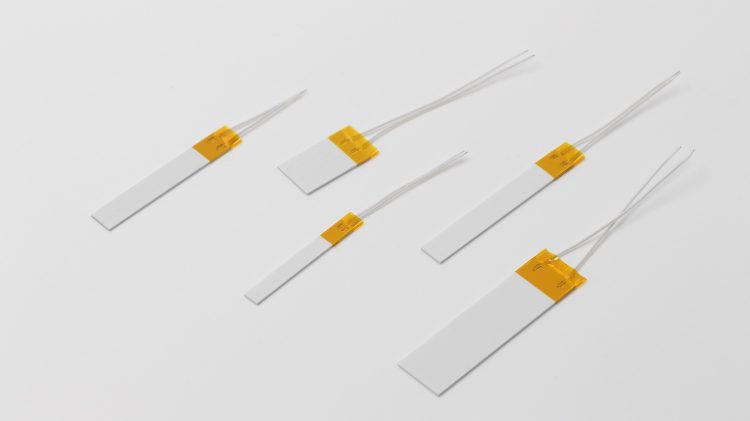
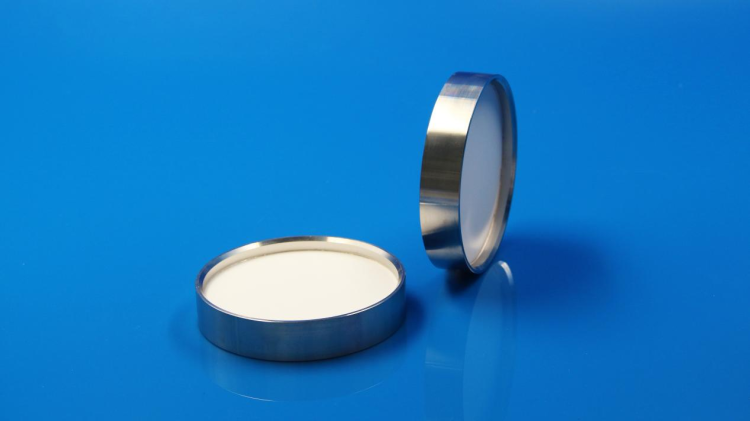
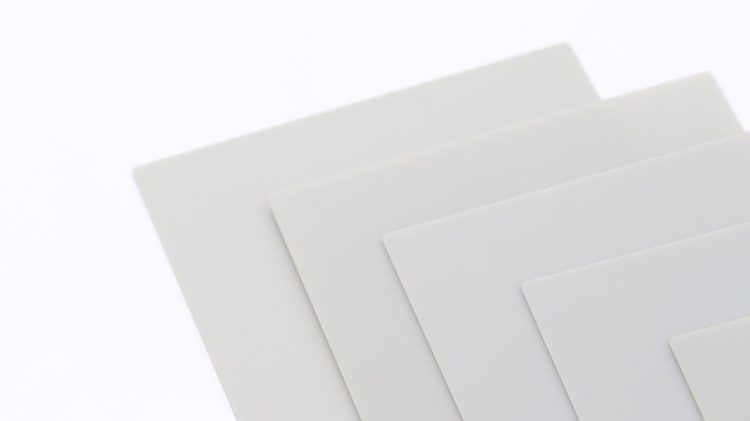
Micro Electro Mechanical Systems (MEMS) are highly integrated microscale devices that combine mechanical structures, sensors, actuators, and electronic components within a compact system. Compared with conventional single-function electronic devices, MEMS technology offers advantages such as small size, lightweight structure, low power consumption, high reliability, and compatibility with large-scale production and intelligent integration.
Because MEMS devices often contain extremely sensitive microstructures, packaging is not only required to protect internal components from contamination, but also to maintain a stable and controlled operating environment. Different MEMS products may require different manufacturing processes and packaging structures depending on their application conditions. Among the available packaging materials, ceramic packaging is widely valued for its hermetic sealing capability, thermal stability, electrical insulation, and long-term reliability, especially in demanding environments where metal or plastic packaging may be less suitable.
Common Ceramic Packaging Materials and Their Characteristics
Alumina (Al₂O₃)
Alumina is one of the most mature and widely used ceramic packaging materials. It offers excellent electrical insulation, stable chemical properties, and relatively low manufacturing cost, making it commonly used for sensor substrates and packaging housings.
Its high resistivity and dielectric strength provide reliable electrical isolation for MEMS devices. However, compared with aluminum nitride, alumina has lower thermal conductivity and is therefore less suitable for very high-power-density applications.
Aluminum Nitride (AlN)
Aluminum nitride is known for its high thermal conductivity, typically reaching 170–200 W/m·K. Its coefficient of thermal expansion is also close to that of silicon, which helps reduce thermal stress between the package and the chip during temperature fluctuations.
Because of these properties, AlN packaging is widely used in high-power MEMS applications such as lidar systems, high-performance sensors, power electronics, and advanced optoelectronic devices where efficient heat dissipation is critical.
Silicon Nitride (Si₃N₄)
Silicon nitride provides outstanding mechanical strength, fracture toughness, and chemical resistance. These characteristics make it highly suitable for MEMS devices operating in harsh conditions involving vibration, impact, or corrosive environments.
Although silicon nitride packaging is generally more expensive than alumina, it is often selected for applications with extremely high reliability requirements, particularly in aerospace, industrial, and defense-related systems.
Ceramic Packaging Structures and Processes
Co-Fired Ceramic Packaging (LTCC / HTCC)
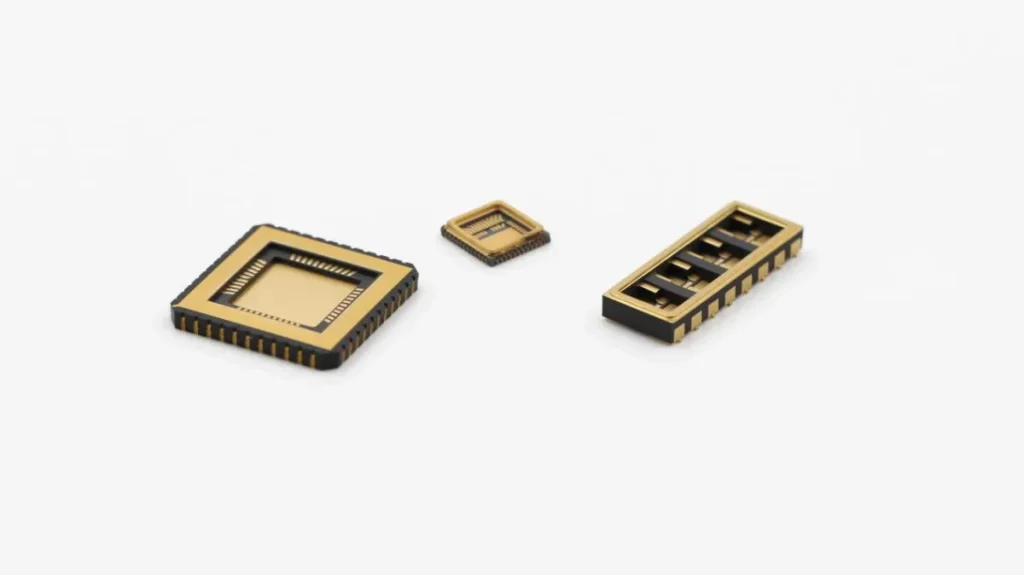
Low-temperature co-fired ceramics (LTCC) and high-temperature co-fired ceramics (HTCC) are commonly used for high-density MEMS packaging. In this process, multiple ceramic layers and metal circuits are laminated and co-fired together to form integrated three-dimensional interconnection structures.
This technology supports mass production while enabling compact designs, integrated passive components, and complex circuit routing, helping improve device miniaturization and integration.
Hermetic Ceramic Packaging
Hermetic ceramic packaging is widely used for MEMS devices that require long-term environmental stability, such as gyroscopes and resonators. Metallization layers are formed on ceramic substrates, and sealing is achieved through glass brazing or laser welding techniques.
This process creates a vacuum or inert internal environment that isolates moisture and contaminants, helping maintain stable device performance over extended operating periods.
Microchannel Ceramic Packaging
Microchannel ceramic packaging integrates miniature flow channels directly into ceramic substrates using precision manufacturing methods such as laser machining and multilayer stacking.
This type of packaging is commonly used in fluid-control MEMS devices, gas sensors, biochips, and microfluidic systems where controlled interaction between fluids and sensing elements is required.
Typical MEMS Applications
MEMS Gyroscopes and Accelerometers
MEMS inertial sensors used in aerospace and autonomous driving systems often require stable vacuum environments to minimize air damping effects on sensitive internal structures. Hermetic ceramic packaging helps maintain long-term vacuum stability and ensures reliable sensor performance.
MEMS Pressure Sensors
In automotive engines, industrial equipment, and oilfield monitoring systems, pressure sensors may operate under high temperature, pressure, and corrosive conditions. Ceramic packaging provides both mechanical protection and chemical resistance, helping maintain accurate signal output in harsh environments.
RF MEMS Switches and Filters
RF MEMS devices used in 5G/6G communication systems and radar equipment require low-loss signal transmission and stable high-frequency performance. Ceramic packaging technologies such as LTCC provide excellent electrical characteristics, thermal management capability, and support for integrated passive components, enabling compact and reliable RF module designs.
Ceramic packaging in MEMS systems serves far more than a protective function. It plays a key role in maintaining device stability, environmental isolation, thermal management, and long-term reliability, especially in applications exposed to demanding operating conditions.