With the rapid growth of advanced manufacturing, new energy materials, and fine chemical industries, requirements for powder precision and purity have become increasingly stringent. Grinding is a critical step in material preparation, and both efficiency and process stability depend heavily on the characteristics of the grinding media. In demanding applications, ceramic grinding balls have become a preferred choice due to their superior performance.
1. Overview of Ceramic Grinding Balls
Ceramic grinding balls, also referred to as grinding media, are widely used in equipment such as ball mills, stirred mills, and vibration mills. Through a combination of impact and friction, they break down and disperse materials, resulting in finer particle sizes and more uniform distributions. Compared with conventional steel media, ceramic balls offer higher hardness, improved wear resistance, and greater chemical stability, making them especially suitable for processes where material purity is critical.
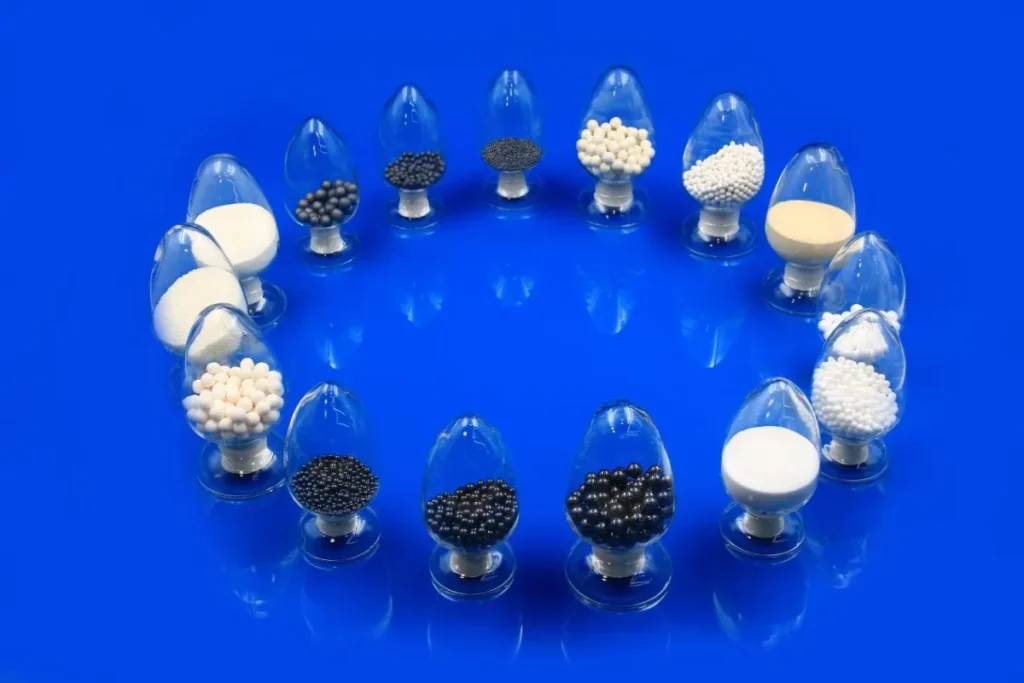
2. Common Material Types
Ceramic grinding balls are produced from a range of advanced ceramic materials to meet different processing requirements:
– Alumina Grinding Balls
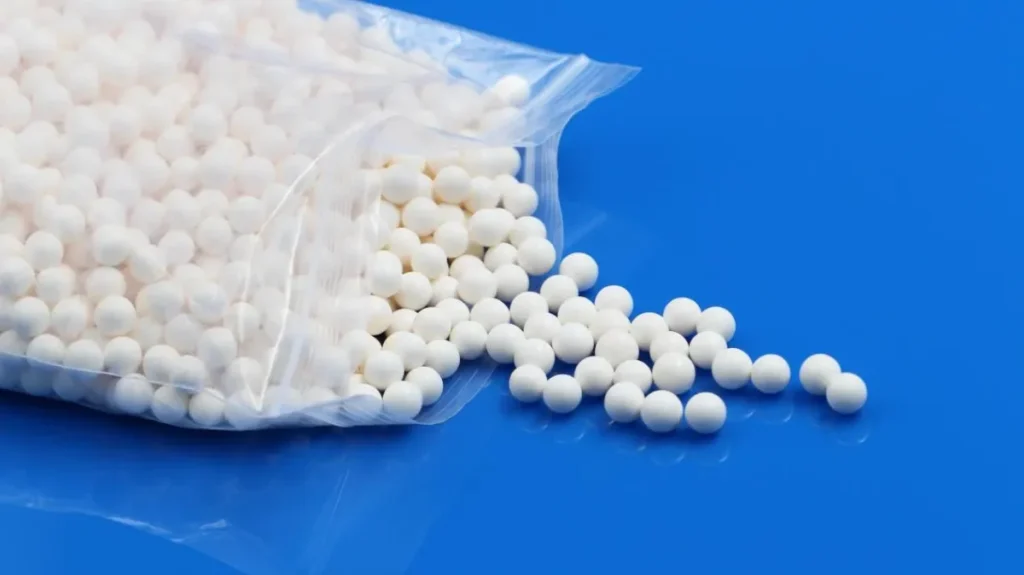
Known for their high hardness, strong wear resistance, and cost-effectiveness, alumina balls are widely used in ceramics, mineral processing, and construction materials.
– Zirconia Grinding Balls
With higher density and excellent toughness, zirconia balls perform well under high-energy milling conditions and are ideal for ultra-fine grinding. They are commonly applied in electronic materials, fine chemicals, and high-end powder processing.
– Silicon Nitride Grinding Balls
These balls combine relatively low density with high strength and hardness. They also exhibit excellent thermal stability and corrosion resistance, making them suitable for specialized or extreme environments.
3. Key Advantages
Compared with traditional steel grinding media, ceramic grinding balls provide several distinct benefits:
– Superior wear resistance
Their high hardness ensures long-term durability and consistent performance, significantly extending service life.
– Enhanced grinding efficiency
Stable physical properties and hardness contribute to more effective particle size reduction.
– Excellent chemical stability
Resistance to acids, alkalis, and other chemical agents allows reliable operation in complex environments.
– Low contamination risk
Ceramic media do not introduce metallic impurities, helping maintain the purity of processed powders.
– Lower total cost of ownership
Although the initial investment may be higher, reduced wear, longer lifespan, and lower maintenance requirements lead to cost savings over time.
4. Typical Applications
Due to their favorable mechanical and chemical properties, ceramic grinding balls are used across a wide range of industries, including:
– Advanced ceramic powder processing
– Mineral and ore grinding
– Lithium battery cathode and anode material preparation
– Electronic functional materials
– Coatings and inks
– Chemical and fine chemical production
– Pharmaceuticals and new material R&D
In particular, within the new energy sector—such as lithium-ion battery cathodes and solid-state electrolyte powders—maintaining a clean and stable grinding environment is essential. Ceramic grinding media play a key role in achieving these requirements.
5. Matching Grinding Media with Grinding Jars
For optimal performance, ceramic grinding balls are typically used together with compatible grinding jars. The material compatibility and structural design of the grinding system directly affect both milling efficiency and media lifespan. Careful selection of matching components is therefore essential to ensure stable and efficient operation.
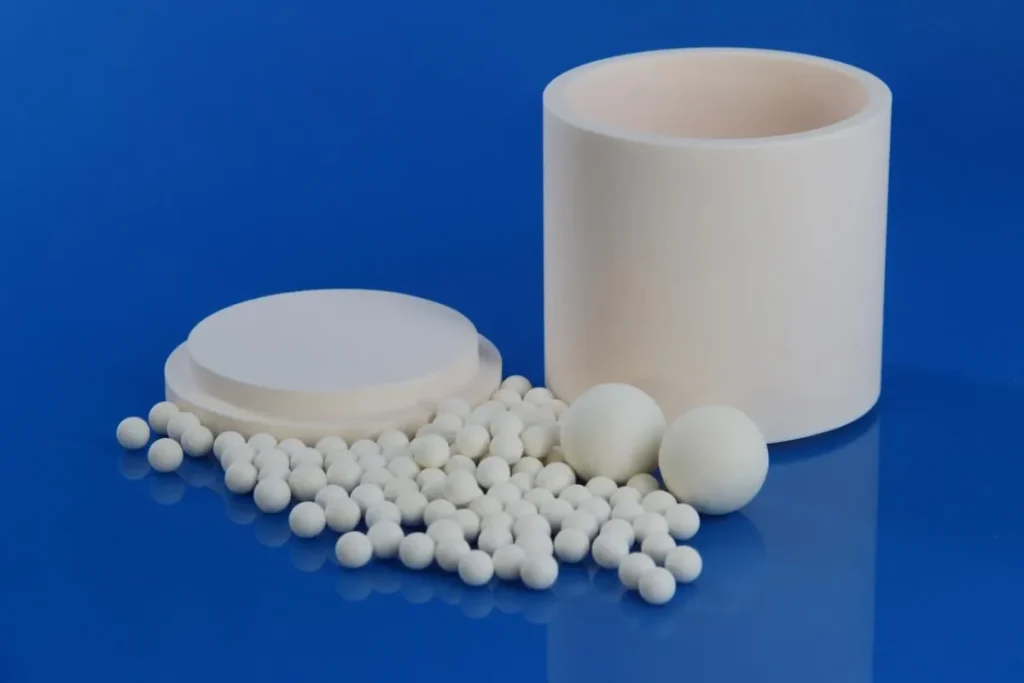
INNOVA Supplies offers a comprehensive range of high-performance ceramic grinding balls and grinding jars that can be configured to suit various applications. From laboratory-scale research to large-scale industrial production, tailored solutions are available to meet diverse milling requirements.