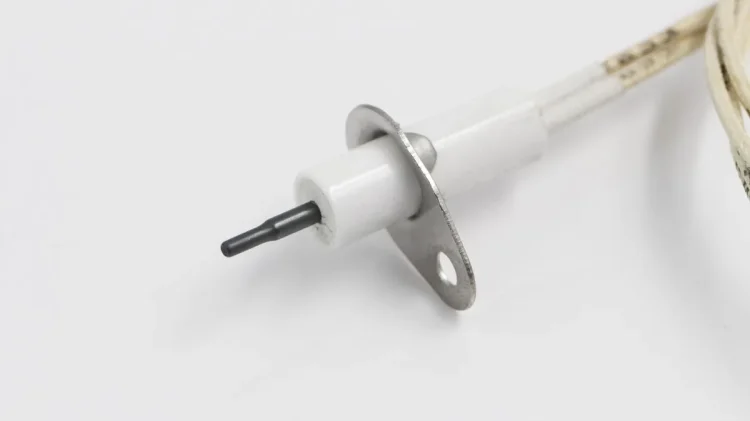
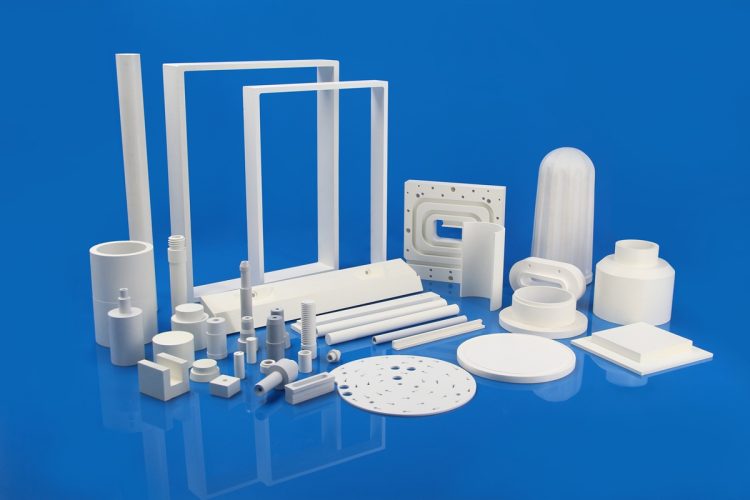
Boron Nitride (BN) ceramics are widely used in ion source equipment as insulating components, bushings, and structural supports. Their unique combination of electrical, thermal, and chemical properties makes them a preferred material for demanding vacuum and plasma-based applications.
Why Boron Nitride Is Used in Ion Source Equipment
Ion source systems typically operate under a combination of challenging conditions, including:
- High-voltage environments reaching kilovolt levels
- Elevated operating temperatures
- Continuous plasma exposure
- High-vacuum conditions
- Reactive process gases such as oxygen, fluorine, and chlorine
Few engineering ceramics can maintain stable performance when all of these factors are present simultaneously. Hot-Pressed Hexagonal Boron Nitride (HPBN) is one of the materials that can reliably meet these requirements, making it a common choice for ion source insulation and support components.
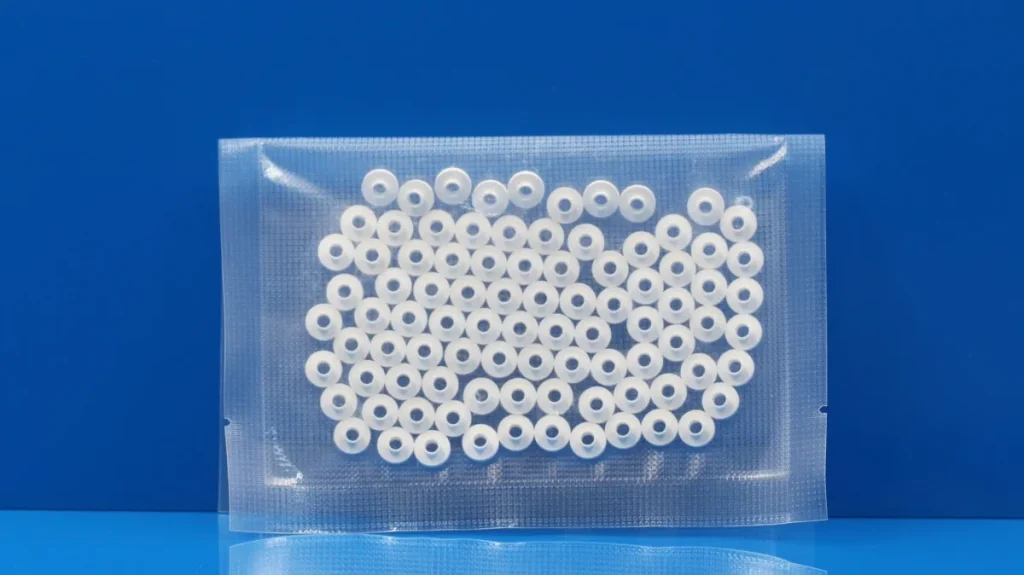
Benefits of BN Ceramic Bushings
When selecting BN ceramic bushings, the primary consideration is often long-term stability in harsh operating environments.
Reliable Electrical Insulation
Boron nitride offers high electrical resistivity, helping minimize leakage currents and reducing the risk of electrical breakdown in high-voltage systems.
Excellent High-Temperature Performance
BN ceramics can withstand temperatures of up to 1800°C in vacuum environments while maintaining their structural and insulating properties.
Low Dielectric Constant
Its low dielectric constant helps reduce interference with electric fields and supports stable operation in high-frequency applications.
Resistance to Plasma Exposure
In many plasma-processing environments, boron nitride demonstrates longer service life than conventional alumina components due to its excellent resistance to plasma-related degradation.
Easy Machining and Customization
Unlike many advanced ceramics, HPBN can be machined relatively easily using conventional methods such as turning, milling, and drilling. This makes it particularly suitable for custom-designed and low-volume components.
Low Outgassing Characteristics
BN ceramics exhibit very low outgassing rates, making them well-suited for vacuum systems where cleanliness and process stability are critical.
Design Considerations
While boron nitride offers many advantages, it is important to consider its mechanical characteristics during component design.
Compared with alumina ceramics, BN has lower mechanical strength and is generally not the preferred choice for heavily load-bearing applications. If structural strength is a primary requirement, component geometry may need to be optimized or alternative ceramic materials considered.
Material Comparison
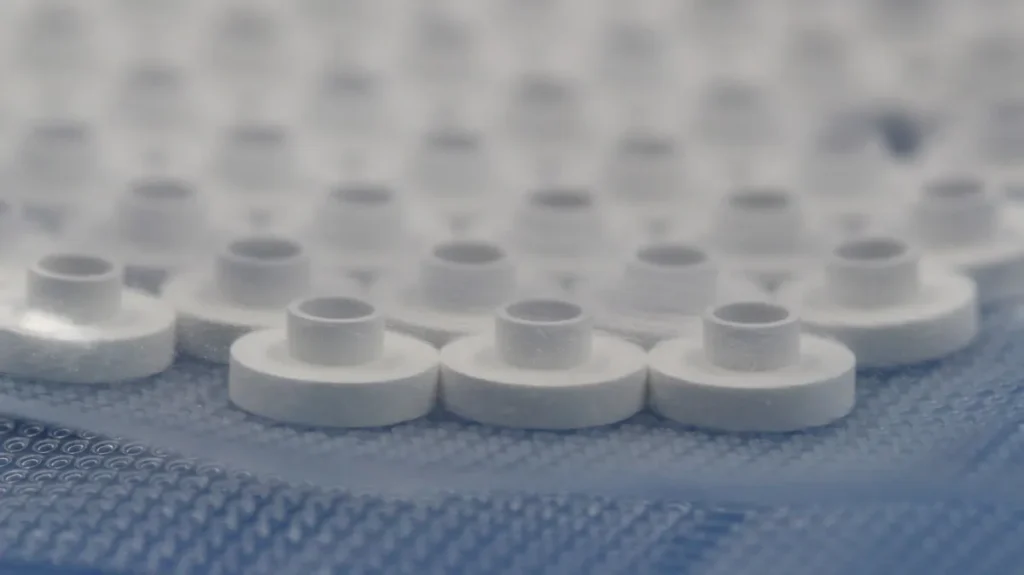
Alumina (Al₂O₃)
- Cost-effective solution
- High mechanical strength
- May experience wear or degradation in certain plasma environments
Aluminum Nitride (AlN)
- Excellent thermal conductivity
- More complex and expensive to machine
Boron Nitride (BN)
- Easy to machine into complex shapes
- Good compatibility with vacuum and plasma environments
- Lower mechanical strength than alumina
Material Selection Guidelines
For applications where cost efficiency and mechanical durability are the primary concerns, alumina is often a practical choice.
When vacuum compatibility, insulation stability, and resistance to plasma exposure are critical, boron nitride is frequently the preferred material due to its balanced performance under demanding operating conditions.
Typical Applications of BN Bushings
Boron nitride bushings and insulating components are commonly used in:
- Mass spectrometer ion source assemblies
- Ion implantation equipment
- Plasma etching systems
- Electron beam evaporation sources
- Electric propulsion and Hall-effect thruster systems
As vacuum and plasma technologies continue to advance, boron nitride ceramic components remain an important solution for maintaining reliable insulation and long-term operational stability in demanding ion source environments.