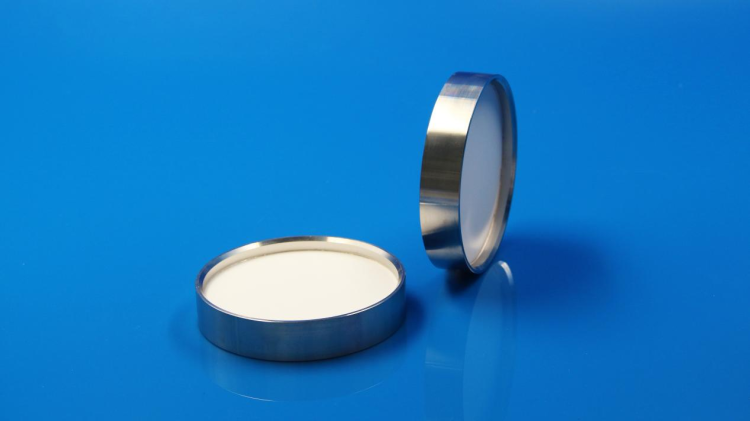
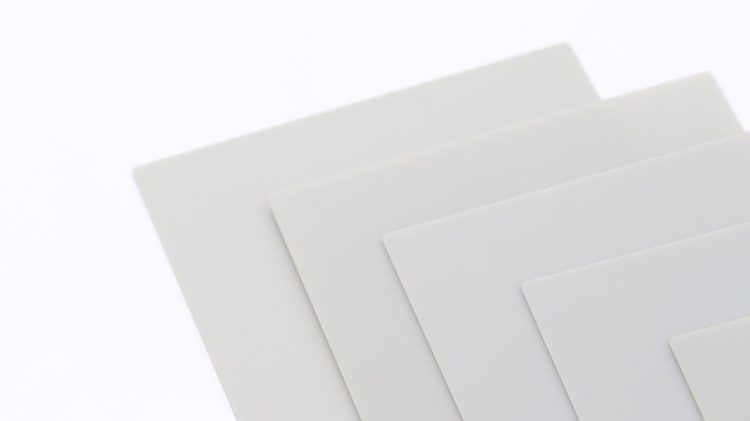
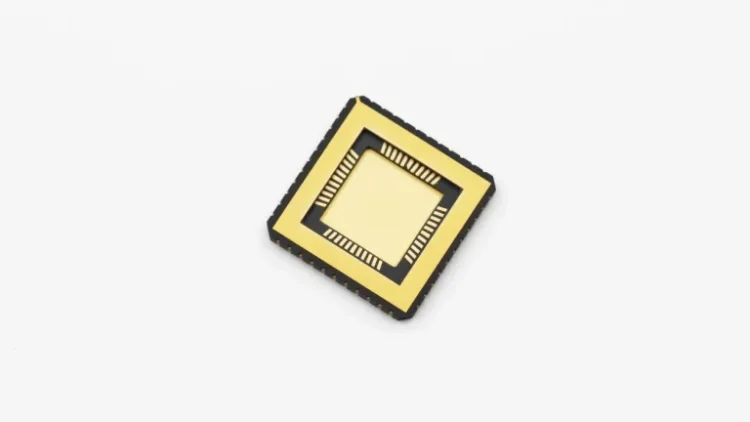
In high and ultra-high vacuum environments, components that carry electrical signals or functions across the vacuum boundary play a decisive role in overall system reliability and service life. Conventional solutions—such as organic seals or mechanically compressed structures—tend to degrade over time, particularly when exposed to elevated temperatures, repeated thermal cycling, and prolonged operation. These conditions can lead to outgassing, material aging, and ultimately sealing failure.
To address these limitations, we offer Ceramic Vacuum Feedthroughs produced באמצעות a proven high-temperature vacuum brazing technique. This process creates a hermetic, permanent bond between ceramic and metal, making it well-suited for demanding vacuum applications where long-term sealing integrity is essential.
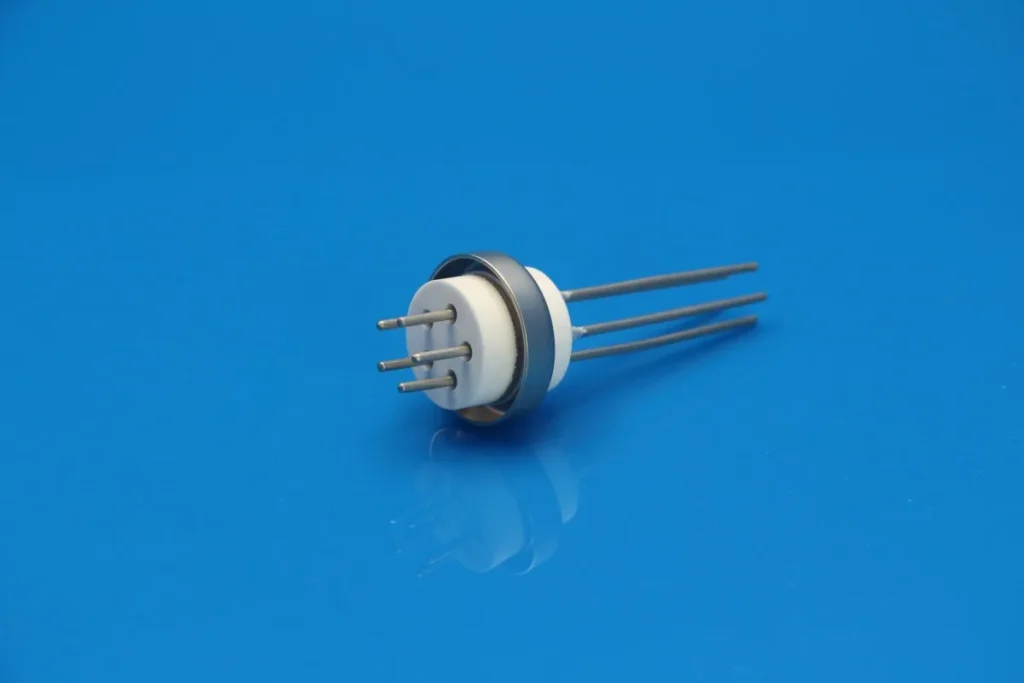
Engineered Structure for Performance Stability
The design incorporates high-purity alumina ceramic as the insulating core, paired with carefully selected metals—such as stainless steel, molybdenum, or Kovar—that feature closely matched coefficients of thermal expansion. Brazing is carried out under vacuum at elevated temperatures, ensuring a robust and stable interface between dissimilar materials.
Process and Performance Advantages
– Hermetic metal-ceramic sealing: An all-inorganic structure eliminates the risk of outgassing associated with organic materials.
– High leak-tightness: Typical leakage rates can reach ≤ 10⁻⁹ mbar·L/s, meeting stringent high and ultra-high vacuum standards.
– Thermal durability: Designed to withstand frequent thermal cycling and high operating temperatures without compromising seal integrity.
– Electrical insulation performance: The ceramic body offers high dielectric strength and minimal signal interference, suitable for precision instrumentation.
Application Benefits
Ceramic Vacuum Feedthroughs are widely used in semiconductor vacuum systems, electron microscopes, vacuum furnaces, and related equipment, where they provide reliable electrical connections for ion sources, electrodes, and heating elements. Compared with traditional sealing methods, they offer clear advantages:
– Lower risk of vacuum leakage
– Improved long-term system stability
– Reduced maintenance and replacement frequency
– Capability to operate under more demanding thermal and vacuum conditions
Through continuous refinement in material selection and process control, this brazed ceramic-to-metal sealing technology delivers a consistent, verifiable solution for engineers designing high-reliability vacuum systems.