Hexagonal boron nitride (h-BN) is a self-lubricating ceramic known for maintaining its lubricity at elevated temperatures, even under high-vacuum conditions. BN crucibles are typically produced from hot-pressed billets, resulting in high density and strong structural integrity. In terms of machinability, h-BN is comparable to graphite, but it offers the added benefit of excellent electrical insulation.
Compared with graphite crucibles, boron nitride significantly reduces the risk of carbon contamination and shows better chemical inertness in many high-temperature environments. Compared with alumina crucibles, BN exhibits lower wettability with molten metals, which helps minimize interaction between the melt and the container—an important factor in processes where material purity is critical. As with any high-temperature application, the choice of crucible material should be made based on specific process requirements.
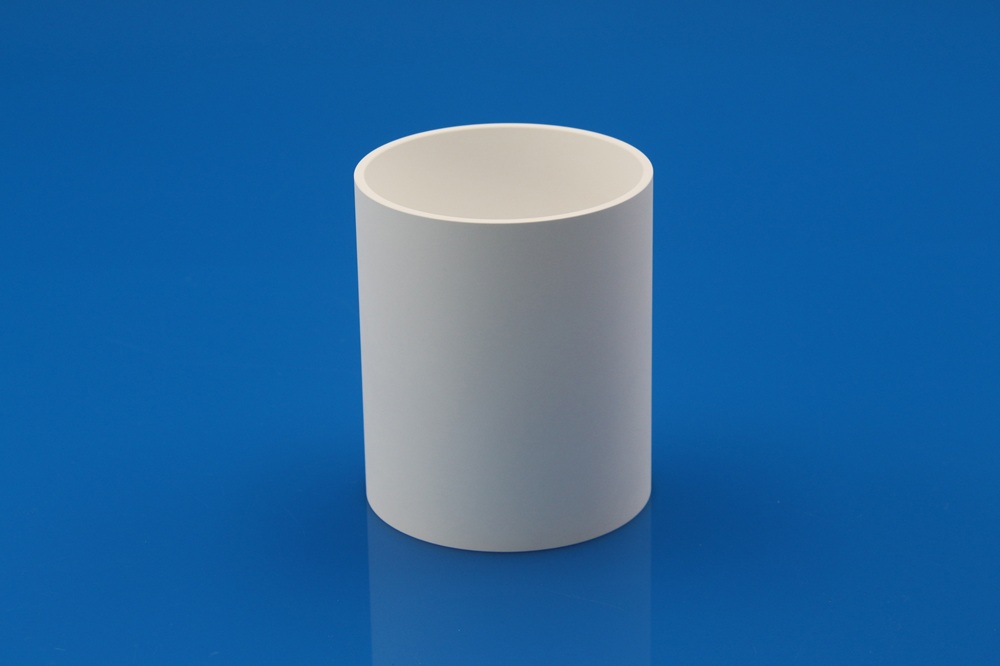
BN crucibles are particularly well-suited for use in high-temperature and vacuum conditions. They also provide strong resistance to chemical attack, stable thermal behavior, and reliable electrical insulation. These characteristics make them a practical option across a range of advanced applications, including:
– Crystal growth processes
– Laboratory-scale high-temperature synthesis
– Semiconductor fabrication and high-purity metal processing
– Melting of metals and specialty alloys in vacuum or inert atmospheres
– Sintering and melting of advanced materials such as ceramics and rare earth compounds
As high-temperature processing and high-purity material technologies continue to evolve, the role of boron nitride crucibles is expanding accordingly. Their use is becoming more common in advanced ceramics, semiconductor manufacturing, and emerging material systems, particularly where process conditions are demanding and contamination must be tightly controlled.