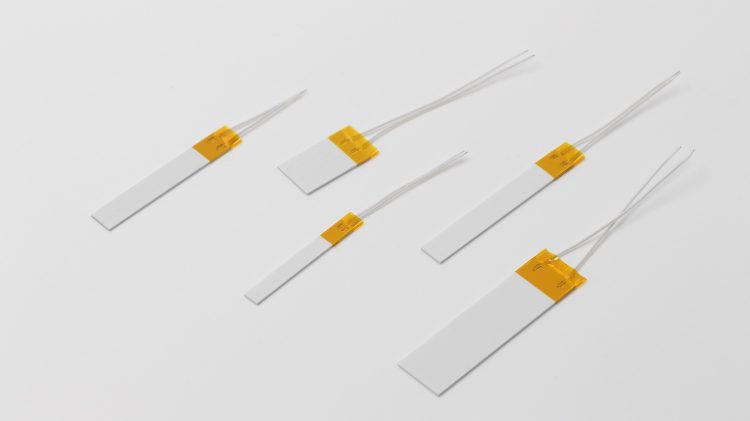
In pellet stoves, boilers, and other solid-fuel combustion systems, the igniter is a critical component that initiates combustion. With advances in ceramic hot surface igniter (HSI) technology, different ceramic materials now exhibit distinct performance characteristics. Our ceramic igniters are designed to deliver fast and stable ignition for various fuel types, with two primary material options available: alumina (Al₂O₃) and silicon nitride (Si₃N₄). Each material serves different operating needs and application priorities.
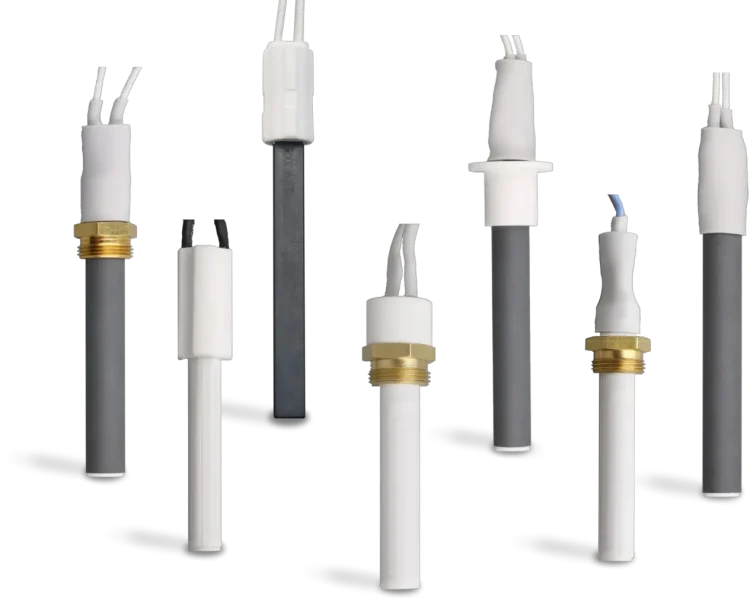
1. Working Principle
Pellet stove ignition systems typically use hot surface igniters that heat a ceramic element to high temperatures—often approaching or exceeding 1000°C—once energized. This heat is sufficient to ignite the fuel-air mixture. Compared to traditional ignition methods such as hot air or nozzle-based systems, ceramic igniters offer several advantages:
– Rapid ignition response
– Lower energy consumption
– Consistent and reliable performance
2. Material Comparison
| Performance Index | Alumina (Al2O3) | Silicon Nitride (Si3N4) |
| Operating Temperature | Typically up to approximately 1000℃ | Peak temperature up to 1200–1400℃ |
| Heating Speed | Heating rate meets general ignition requirements | Higher thermal conductivity & faster thermal response, quicker temperature rise |
| Mechanical Toughness | High strength but relatively low toughness | High strength and superior toughness |
| Thermal Shock Resistance | Moderate | Excellent |
| Thermal Stability | Suitable for most pellet stove applications | More stable performance under extremely high temperatures |
| Service Life | Long service life and high reliability under normal working conditions | More significant lifespan advantages under high-temperature, frequent start-stop, and high-cycle working conditions |
| Electrical Insulation | Excellent | Good, meets the insulation requirements for igniters |
| Cost | Relatively low | Relatively high, with more complex processing technology |
3. Alumina Ceramic Igniters
Alumina-based igniters are well-suited for standard pellet stove applications:
– Stable performance: High-purity alumina provides strong electrical insulation and oxidation resistance.
– Efficient ignition: Reaches operating temperature quickly, helping reduce incomplete combustion.
– Long service life: Maintains stable operation under repeated cycling conditions.
– Cost-effective: Mature manufacturing processes make it suitable for large-scale production.
These igniters are commonly used in residential and standard industrial heating systems where cost control is important.
4. Silicon Nitride Ceramic Igniters
Silicon nitride igniters are designed for more demanding environments and higher-performance systems:
– Higher temperature capability: Maintains stability under more extreme thermal conditions.
– Excellent thermal shock resistance: Performs well under frequent and rapid temperature changes.
– Fast heat-up time: Typically reaches ignition temperature within seconds.
– Extended service life: Reduced degradation in high-cycle applications leads to longer operational life.
They are particularly suitable for industrial-grade equipment or applications requiring fast ignition and high durability.
5. Selection Considerations
When choosing an igniter, material properties are only part of the equation. Several practical factors should also be considered:
① Installation compatibility
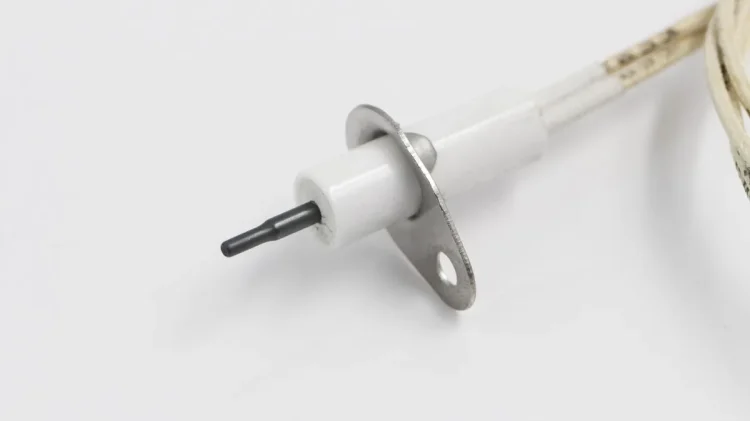
The igniter’s dimensions, geometry, and interface must align with the combustion chamber design. Thermal expansion compatibility with mounting structures and sealing components is also important, along with the proper selection of wiring and insulation materials.
② Electrical parameters
Voltage and power ratings should match the system configuration. Different materials may exhibit variations in heating curves and energy efficiency.
③ Cost vs. performance
Alumina is typically preferred for cost-sensitive applications, while silicon nitride is better suited for performance-driven or high-end systems.
Summary:
| Selection Factor | Recommended Option |
| Cost priority | Alumina Igniter |
| Standard industrial & residential pellet stoves | Alumina Igniter |
| Extreme high temperature / rapid ignition | Silicon Nitride Igniter |
| High thermal shock & long service life requirements | Silicon Nitride Igniter |
Conclusion
Alumina and silicon nitride igniters serve different application needs. Alumina offers a balanced solution with proven manufacturing stability and cost advantages, while silicon nitride delivers higher performance under demanding conditions, including faster response and longer lifespan. Selecting the appropriate material based on actual operating conditions is essential to ensure reliable and efficient ignition.