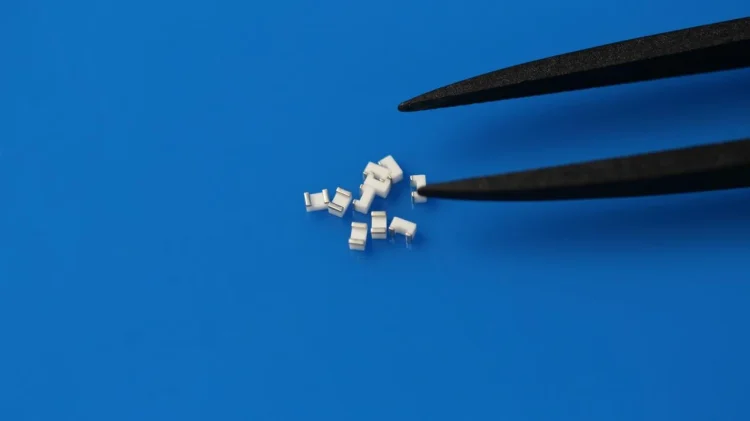
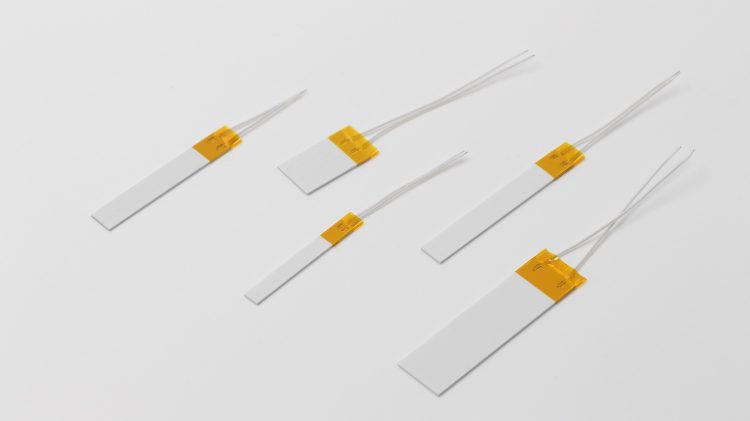
Silicon nitride (Si₃N₄) ceramic igniters offer clear performance advantages over conventional ceramic heaters. Their ability to withstand extreme temperatures, heat up rapidly, and maintain excellent thermal stability has made them a preferred solution in many high-temperature applications. This article outlines the key characteristics, common applications, technical advantages, and important usage considerations of silicon nitride igniters.
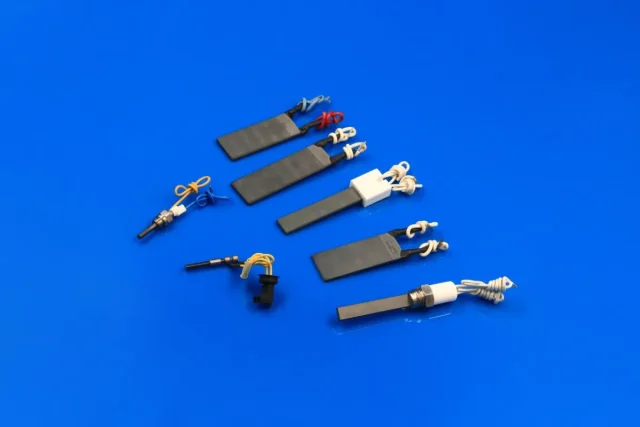
1. Core Characteristics
- High temperature capability
Silicon nitride igniters can reach temperatures of approximately 1000–1400 °C within a very short time, typically 2–10 seconds, and can operate continuously at 1200–1400 °C with long-term stability. This makes them well-suited for applications that require fast start-up and consistent high-temperature operation, such as industrial kilns, burners, and mold heating systems. - Stable thermal surface
The heating element is embedded within a dense silicon nitride ceramic body using tungsten wire insertion or screen-printing techniques. This structure forms a broad and uniform thermal surface, enabling efficient and even heat transfer. In applications such as mold heating or 3D glass forming, this design supports precise local or overall temperature uniformity. - Resistance to thermal shock and oxidation
Silicon nitride ceramics exhibit excellent resistance to rapid heating and cooling cycles. In addition, a protective oxide layer forms on the surface at high temperatures, effectively reducing oxidation and extending service life. This reliability is particularly important in systems that undergo frequent start-stop cycles or significant temperature fluctuations.
2. Typical Application Areas
- Industrial kilns and burners
Silicon nitride igniters are widely used in gas furnaces, kilns, and related equipment. Their fast ignition capability and stable hot surface help ensure uniform temperature distribution within the combustion chamber. For example, certain FKK igniters are designed for direct use in gas burners operating at 1100–1400 °C. - Mold heating systems
In processes such as 3D glass molding and optical lens manufacturing, silicon nitride igniters provide localized high-temperature heating. Combined with their efficient heat conduction, they allow accurate temperature control, reducing the risk of deformation or defects caused by uneven heating. - Thermal management in gas appliances
In gas stoves, ovens, and water heaters, the igniter’s high-temperature surface comes into direct contact with combustible gas, enabling rapid ignition through heat transfer. The wide thermal surface also improves combustion efficiency and helps minimize local hot spots or cold zones. - New energy and environmental protection equipment
In solid oxide fuel cells (SOFCs), silicon nitride igniters are used during preheating and start-up stages to manage temperature effectively. They are also applied in biomass boilers and exhaust gas treatment systems, where rapid heating improves thermal efficiency and contributes to reduced pollutant emissions.
3. Technical Advantages and Design Considerations
- Flexible power and voltage options
Silicon nitride igniters are available in a wide power range from 10 W to 1000 W and support voltages from 4 V to 240 V. Heating circuit geometry and power density can be customized to meet specific heat distribution requirements. For instance, INNOVACERA’s DG series (220–230 V, 400–1000 W) is designed for distributed heating in large boiler systems. - Optimized structural design
High-purity alumina ceramic bases combined with metal bushings are commonly used to ensure reliable electrical insulation and mechanical strength. In addition, thermal buffering and insulating structures are incorporated to protect terminals from overheating, with the package-end temperature typically controlled below 400 °C. - Adaptability to harsh environments
The absence of electromagnetic interference, along with resistance to oil, moisture, and corrosive media, allows silicon nitride igniters to perform reliably in demanding industrial environments, including petrochemical applications involving high temperatures and aggressive atmospheres.
4. Usage Precautions
- Installation and airflow design
Gas flow rates must be properly matched to the igniter model to prevent localized overheating caused by insufficient airflow. Surface temperatures should generally be kept at or below 1200 °C. The airflow path should ensure adequate contact with the igniter while allowing sufficient space for heat dissipation. - Operating limitations
Sudden heating or cooling and direct contact with liquids should be strictly avoided to prevent ceramic cracking. Once ignition is achieved, power should be switched off promptly to prevent damage from prolonged high-temperature exposure.
Conclusion
Thanks to their outstanding high-temperature performance, thermal stability, and design flexibility, silicon nitride ceramic igniters have become essential components in modern heat distribution systems, particularly in industrial applications requiring rapid response and uniform heating. As materials technology continues to advance—such as the development of silicon nitride–molybdenum disilicide composite systems—their use is expected to expand into even more demanding thermal management applications.
For more information, please contact info@innovasupplies.com.