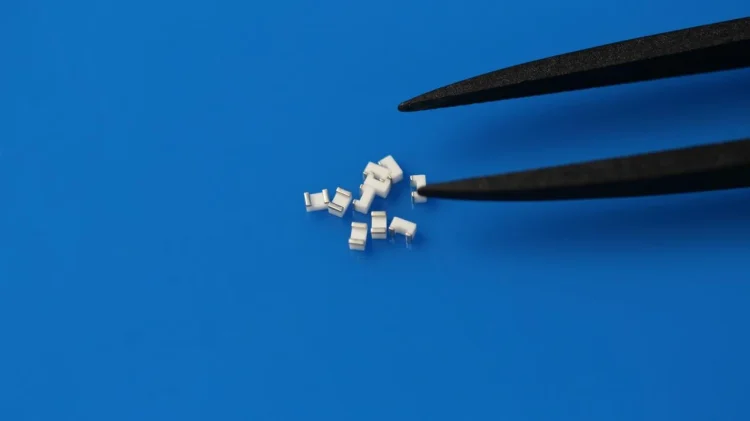
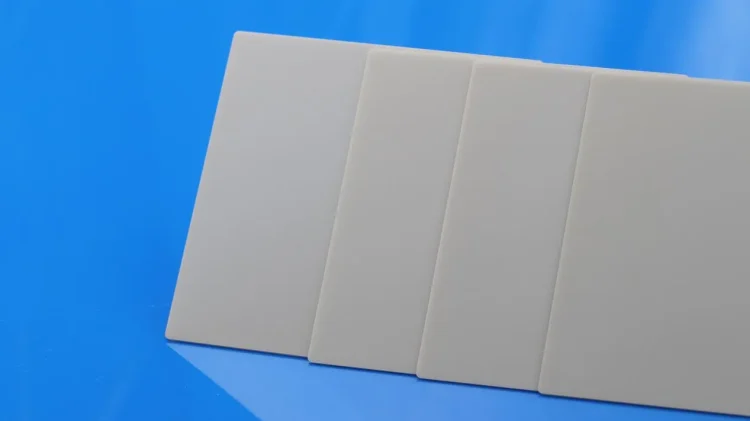
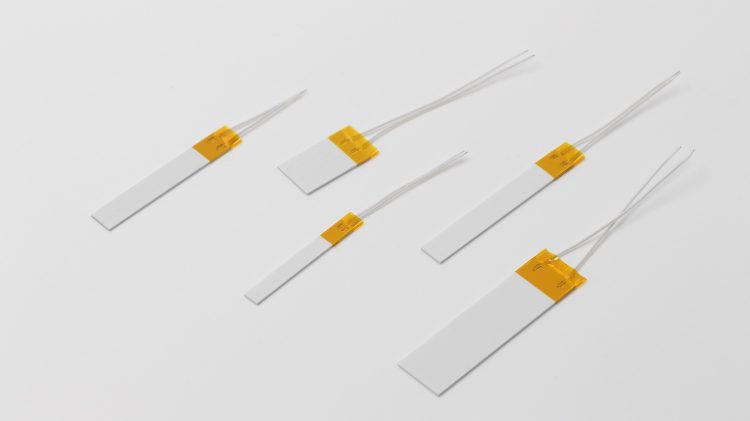
As electronic systems continue to move toward higher power density, greater integration, and stricter reliability requirements, traditional organic substrates are increasingly reaching their limits. Challenges related to heat dissipation, high-temperature endurance, and long-term stability have become more pronounced, creating real constraints for next-generation electronic design and industrial advancement.
Against this backdrop, high-performance ceramic substrates have emerged as a critical enabling material. Serving as the core base of ceramic printed circuit boards (ceramic PCBs), they provide the thermal, electrical, and mechanical performance required in power electronics, RF communication, and advanced packaging technologies.
As a manufacturer dedicated to advanced ceramic materials, INNOVA Supplies focuses on developing and precision-manufacturing high-performance ceramic substrates. We supply consistent, reliable materials along with comprehensive technical support for ceramic PCB fabrication and other high-reliability electronic applications.
Why Ceramic Substrates Matter in Ceramic PCBs
The performance of a ceramic PCB is fundamentally determined by its substrate. Compared with conventional organic materials such as FR-4 (glass-reinforced epoxy laminate), ceramic substrates offer clear advantages in several critical aspects.
1. Superior Thermal Management
Ceramic materials—particularly alumina (Al₂O₃) and aluminum nitride (AlN)—provide high thermal conductivity, allowing efficient heat dissipation during device operation. Lower junction temperatures translate into improved system stability and longer service life. This makes ceramic substrates especially valuable in power devices and high-power modules.
2. Reliable Electrical Insulation
Ceramic substrates exhibit excellent dielectric strength and electrical insulation stability. Even under high-voltage and high-frequency operating conditions, they maintain dependable performance, forming a solid foundation for ceramic PCBs used in power electronics and RF systems.
3. High-Temperature and Aging Resistance
Unlike organic substrates, ceramic materials can operate continuously at elevated temperatures without significant degradation, deformation, or aging. This makes them well-suited for demanding environments such as automotive electronics, industrial control systems, and new energy equipment.
4. Dimensional Stability
With low coefficients of thermal expansion and strong structural integrity, ceramic substrates maintain dimensional accuracy under thermal cycling. This stability supports high-precision circuitry and high-reliability packaging, making them ideal for advanced ceramic PCB designs.
The Structural Role of Ceramic Substrates
From a structural standpoint, ceramic PCBs are essentially circuit systems built upon ceramic substrates as the primary carrier. The substrate’s characteristics directly influence heat dissipation capability, electrical performance, and overall service life of the circuit board.
Today, ceramic substrates are widely used in:
- DBC (Direct Bonded Copper) substrates
- AMB (Active Metal Brazing) substrates
- Thick-film and thin-film ceramic circuits
- High-power LED modules
- IGBT and other power module packaging
In practical terms, high-performance ceramic substrates are the cornerstone of achieving highly reliable ceramic PCBs.
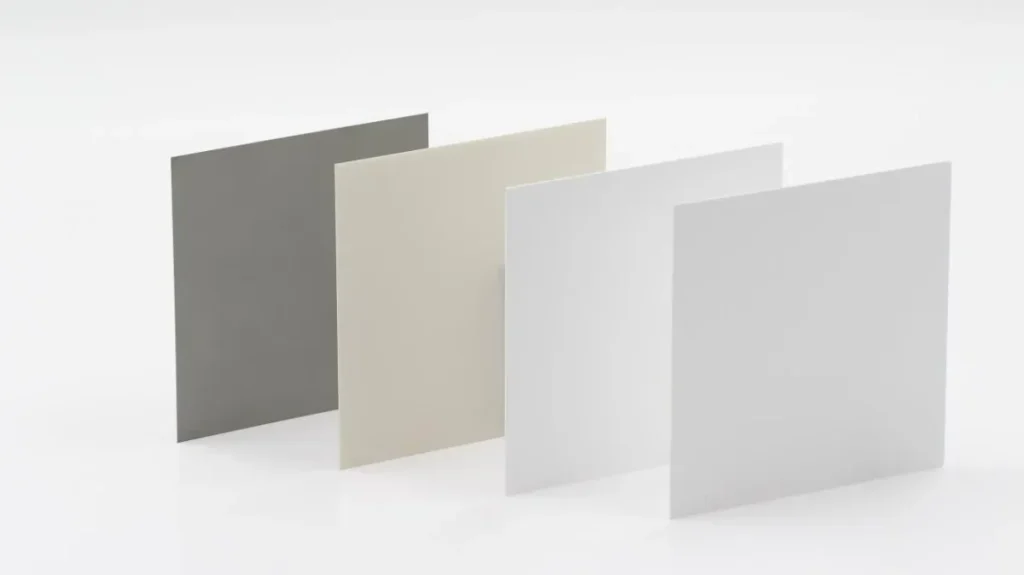
INNOVA Supplies Ceramic Substrate Solutions
With well-established material systems and stable manufacturing processes, INNOVA Supplies provides a broad portfolio of ceramic substrates tailored to different performance requirements.
■ Alumina (Al₂O₃) Ceramic Substrates
Offering balanced performance and cost efficiency, alumina substrates are widely used in electronic packaging, LED modules, and general power devices.
■ Aluminum Nitride (AlN) Ceramic Substrates
Featuring excellent thermal conductivity, AlN substrates are ideal for high-power-density applications, including power modules, communication equipment, and new energy systems.
■ Silicon Nitride (Si₃N₄) Ceramic Substrates
Combining high mechanical strength with outstanding reliability, silicon nitride substrates are suitable for environments requiring strong thermal shock resistance and mechanical durability.
■ ZTA (Zirconia-Toughened Alumina) Ceramic Substrates
By incorporating a zirconia phase into alumina, ZTA substrates significantly improve fracture toughness and impact resistance while maintaining excellent insulation properties. They are well-suited for electronic and industrial applications that demand enhanced mechanical reliability and wear resistance.
In addition, INNOVA Supplies offers customization of substrate size, thickness, and surface treatment to meet specific customer requirements, ensuring a dependable base for subsequent ceramic PCB processing and packaging.
Supporting the Next Generation of Electronics
With rapid growth in new energy technologies, 5G communication infrastructure, power semiconductors, and advanced equipment manufacturing, demand for high-performance ceramic substrates continues to expand.
As the essential material platform for ceramic PCBs, ceramic substrates are playing an increasingly pivotal role in high-end electronic systems.
Leveraging mature production capabilities, validated material technologies, and extensive application experience, INNOVA Supplies provides dependable ceramic substrate solutions designed to meet the evolving reliability and performance demands of next-generation electronics.