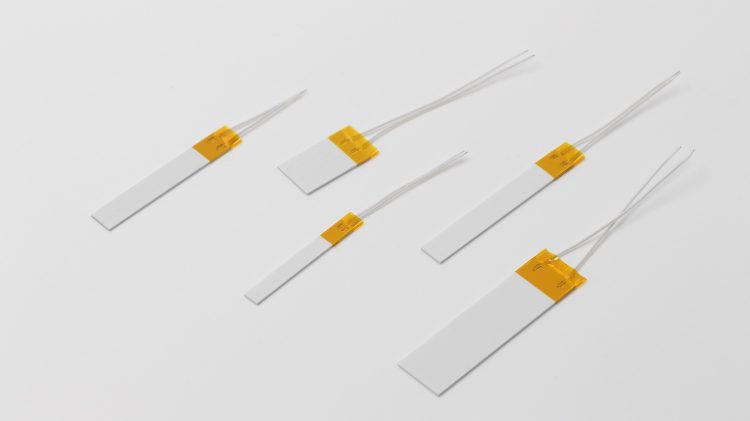
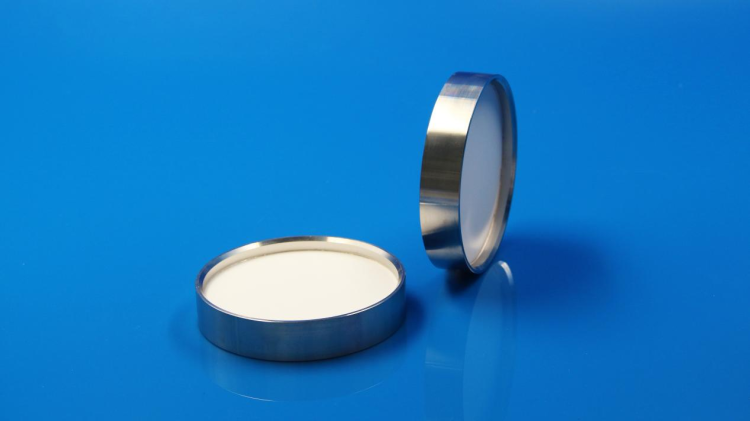
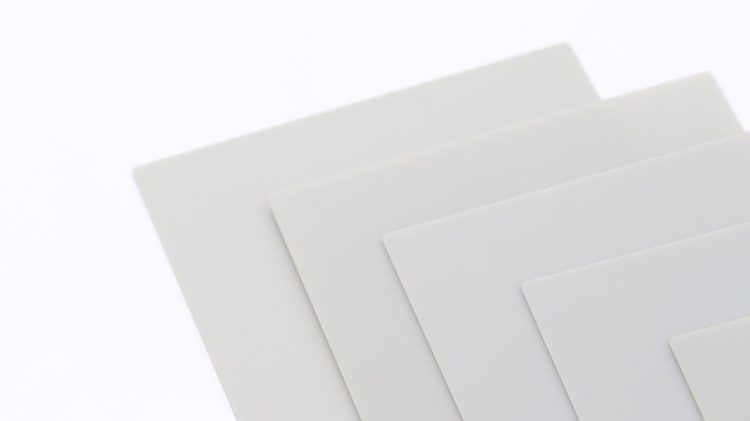
In today’s electronics industry, HTCC, LTCC, and MLCC technologies form the core foundation of modern ceramic-based electronic packaging and component manufacturing. Although all three belong to multilayer ceramic technology systems, each serves a different purpose within electronic design and manufacturing.
HTCC technology is primarily used for high-reliability and high-power packaging applications. LTCC is widely adopted for multifunctional and high-frequency circuit integration, while MLCCs are essential passive components in surface-mount electronics. Together, these technologies support the ongoing trend toward higher performance, miniaturization, and improved reliability in electronic devices.
This article focuses on HTCC ceramic packaging technology and its advantages in demanding electronic applications.
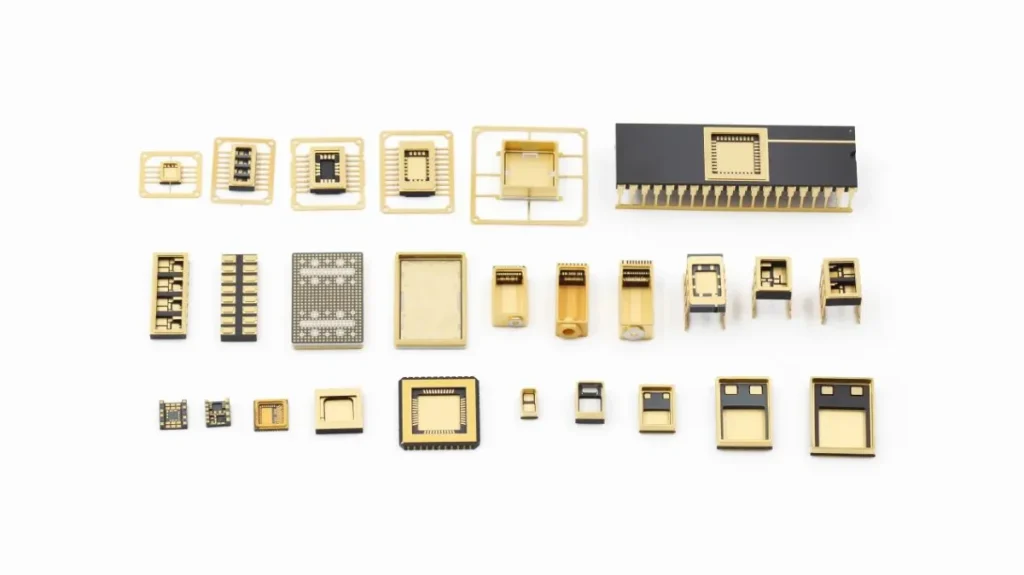
What Is HTCC Ceramic Packaging?
HTCC (High Temperature Co-Fired Ceramic) packaging technology combines ceramic materials such as alumina or aluminum nitride with refractory metal conductors like tungsten or molybdenum through a precision co-firing process. By integrating ceramic layers and conductive circuits into a single multilayer structure, HTCC creates highly reliable three-dimensional ceramic circuit packages.
The manufacturing process mainly includes the following stages:
1. Ceramic Tape Preparation
Ceramic powders are mixed with organic binders, plasticizers, and solvents to produce a uniform ceramic slurry. The slurry is then cast into thin ceramic green sheets using tape-casting technology.
At this stage, slurry consistency, drying conditions, and sheet flatness must be carefully controlled to ensure stable quality for subsequent processing.
2. Circuit Printing
Conductive patterns and via holes are created on the ceramic sheets using screen-printing technology. Refractory metals such as tungsten and molybdenum are typically selected because they can withstand the later high-temperature firing process.
After printing, the sheets undergo drying and binder removal processes to ensure stable adhesion, clear circuit patterns, and minimal defects.
3. Layer Stacking and Lamination
Multiple printed ceramic layers are precisely aligned and laminated together using heat pressing or isostatic pressing methods. This step forms the internal three-dimensional interconnection structure.
The accuracy of the lamination process directly influences dimensional tolerance, electrical reliability, and final package quality.
4. High-Temperature Co-Firing
The laminated structure is co-fired in a controlled atmosphere at temperatures around 1600°C. During firing, both the ceramic material and metal conductors densify simultaneously to form a strong multilayer ceramic substrate.
Because the structure typically shrinks by approximately 15–20% during sintering, shrinkage compensation must be considered during the design stage.
5. Post-Processing
After sintering, additional processes such as metallization, plating, cutting, welding, pin installation, and hermetic sealing may be performed.
For more advanced applications, additional treatments, including solder coating, electrode reinforcement, or laser marking, may also be used to meet demanding operational requirements.
Technical Advantages of HTCC Packaging
Excellent High-Temperature Stability
HTCC ceramic packages can maintain stable performance in environments reaching 300–350°C. With optimized structural design, some packages can tolerate even higher short-term temperatures.
The ceramic structure maintains both mechanical integrity and sealing reliability under elevated temperatures, making HTCC suitable for demanding thermal environments.
Reliable Electrical Insulation
Ceramic materials naturally provide excellent electrical insulation properties, including low dielectric loss and stable electrical performance. This helps maintain signal integrity in high-frequency electronic systems while reducing interference.
Strong Mechanical and Environmental Resistance
HTCC structures offer excellent resistance to thermal cycling, vibration, humidity, and corrosive environments. Compared with conventional plastic packaging, ceramic packages provide significantly higher reliability under harsh operating conditions.
Support for High-Density Integration
The multilayer ceramic structure enables compact three-dimensional circuit integration with vertical interconnections. This supports high pin counts, miniaturized package designs, and complex circuit architectures.
Efficient Thermal Management
Ceramic materials such as aluminum nitride provide high thermal conductivity, helping dissipate heat generated by electronic components more effectively. Improved heat management contributes to higher power density and longer device lifespan.
Typical Application Areas
Automotive Electronics
HTCC packages are commonly used in engine control modules, power management systems, and pressure sensing devices where resistance to heat and vibration is essential.
Industrial and Energy Equipment
In industrial power conversion systems and inverter modules, HTCC technology helps ensure stable operation under high thermal loads and continuous working conditions.
High-Frequency Communication Systems
HTCC ceramic substrates are widely used in RF circuits, filters, and communication modules that require stable high-frequency signal transmission with low signal loss.
Sensor Packaging
Ceramic packages provide durable and hermetically sealed structures for MEMS devices, gas sensors, infrared sensors, and pressure sensing systems operating in challenging environments.
Advanced High-Reliability Equipment
HTCC technology is also used in applications requiring long-term reliability and stable performance under demanding conditions.
Conclusion
HTCC ceramic packaging technology has become a proven solution for electronic systems that require high-temperature stability, high-frequency performance, efficient thermal management, and long-term reliability.
As electronic systems continue moving toward higher integration and greater performance demands, HTCC remains an important packaging technology for advanced applications.
INNOVA Supplies provides professional HTCC ceramic packaging solutions for a wide range of industrial and electronic applications. Feel free to contact us for more information.