As smart homes become more common, smart toilets are increasingly part of modern bathroom design. Functions such as flushing, seat heating, warm-air drying, and nozzle sterilization rely on different heating components. Ceramic heating elements are widely used in these systems because they can be integrated into the toilet structure. Compared with conventional electric heating wires, they offer advantages in user comfort, electrical safety, and long-term reliability.
I. Why Use Ceramic as a Heating Material?
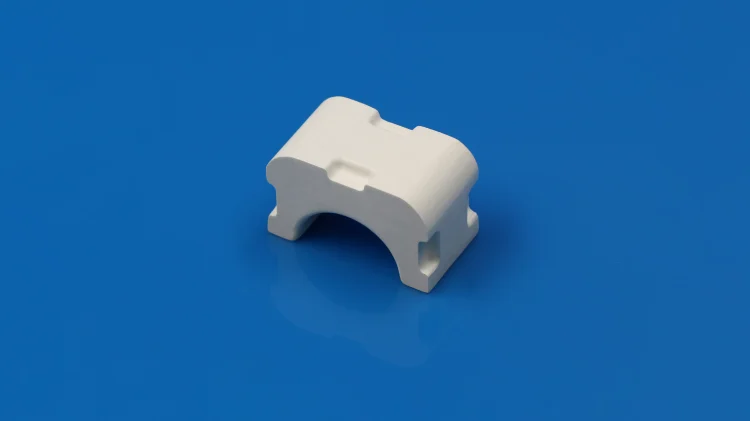
Ceramics offer high-temperature resistance, corrosion resistance, and good electrical insulation. These properties make them suitable for use in electrical heating systems, including components installed in toilet seats, water heating circuits, and air-drying modules.
PTC (Positive Temperature Coefficient) ceramic materials offer an additional advantage. As their temperature approaches a certain threshold, their electrical resistance increases, reducing current flow and helping regulate the heating temperature. This self-regulating behavior can reduce the need for complex temperature-control circuits while supporting stable and safe heating.
II. Three Main Types of Ceramic Heating Elements in Smart Toilets
Ceramic heating elements used in smart toilets generally fall into three categories. Each serves a different function within the system.
1. Flat Ceramic Heating Plates: Temperature Control for Heated Seats
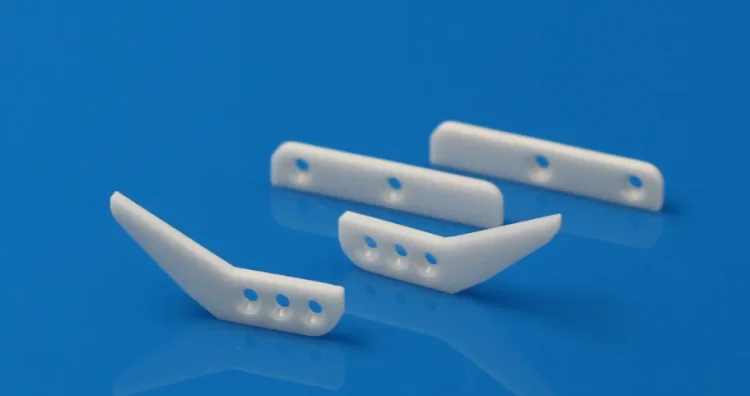
Flat ceramic heating plates typically use thin ceramic sheets as a substrate, with resistance materials and heating circuits incorporated into the structure. An insulating ceramic layer provides additional electrical protection.
Common material options include alumina ceramics, silicon nitride ceramics, and PTC ceramic composites. Their respective properties, including mechanical strength, thermal shock resistance, and self-regulating temperature control, make them suitable for different heating requirements.
These plates are mainly used for seat preheating and automatic seat temperature adjustment. Their heating structure helps distribute heat evenly and reduces the risk of localized overheating. They can also respond quickly, bringing the seat to a comfortable temperature within a short time.
In addition, ceramic heating plates offer good durability, moisture resistance, and electrical insulation. These characteristics help them operate reliably under frequent start-stop cycles.

2. Ceramic Tubular Heating Elements: Consistent Warm Water Supply
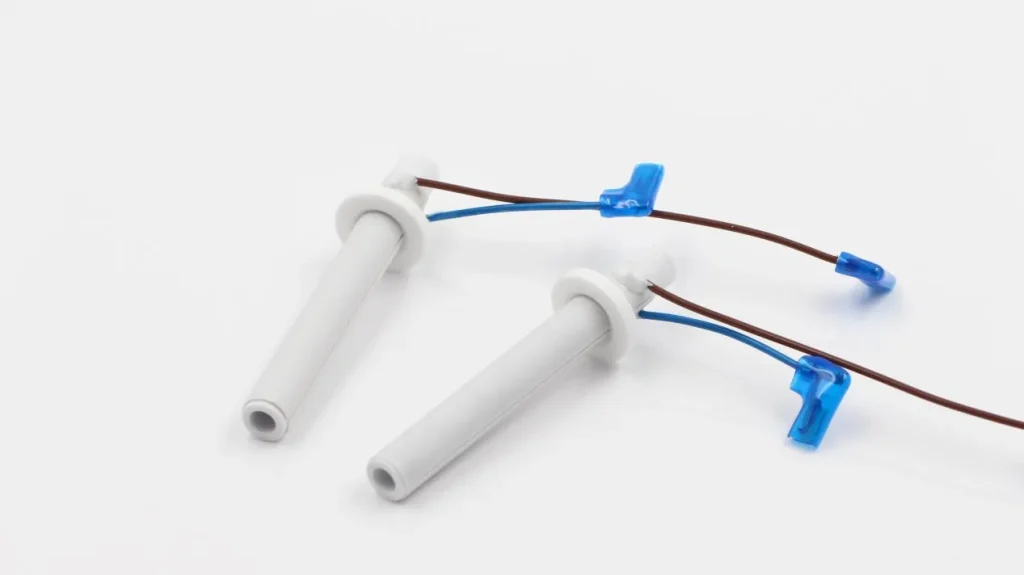
Ceramic tubular heating elements feature a hollow ceramic tube structure, with heating materials inside and an insulating layer on the outside to protect against moisture. They are primarily used in smart toilet warm-water systems.
Alumina ceramic tubes and reinforced ceramic insulation layers are commonly used in these components. Some designs also incorporate PTC elements to improve heating stability.
Their main function is to heat water for rinsing and maintain a suitable water temperature. Compared with conventional metal heating tubes, ceramic tubes offer corrosion resistance and reduced scaling. They also provide fast heating and efficient heat transfer, helping maintain a stable water temperature throughout the year for a more comfortable rinsing experience.
3. PTC Ceramic Heating Chips: Self-Regulating Temperature Control
The main feature of PTC ceramic heating chips is their positive temperature coefficient resistance characteristic. As the temperature reaches a certain threshold, the material’s resistance rises sharply, reducing the current and limiting further temperature increases. This allows the element to regulate its temperature without relying entirely on additional sensors.
These heating chips are commonly used in warm-air drying modules, nozzle sterilization systems, and local temperature protection applications. Their operating temperature range can be selected according to application requirements, helping protect internal components from excessive heat. They also provide relatively uniform heat distribution and stable output.
During the drying process, PTC heating elements help deliver a consistent flow of warm air. Compared with traditional resistance-wire structures, they are less prone to localized overheating, cracking, or breakage.
In nozzle sterilization applications, controlled heating helps achieve the required sterilization temperature while reducing the risk of heat damage to surrounding components. This supports safer and more reliable operation.

Ceramic Heating Technology Beyond Smart Toilets
From heated seats and warm-water rinsing to air drying and nozzle sterilization, ceramic heating elements play an important role in improving the functionality and comfort of smart toilets.
Beyond bathroom equipment, ceramic heating technologies are also used in applications such as oxygen sensors, 3D printers, and electronic appliances. INNOVA Supplies offers a range of ceramic heating products for different application requirements.
For product information or inquiries, contact info@innovasupplies.com.