
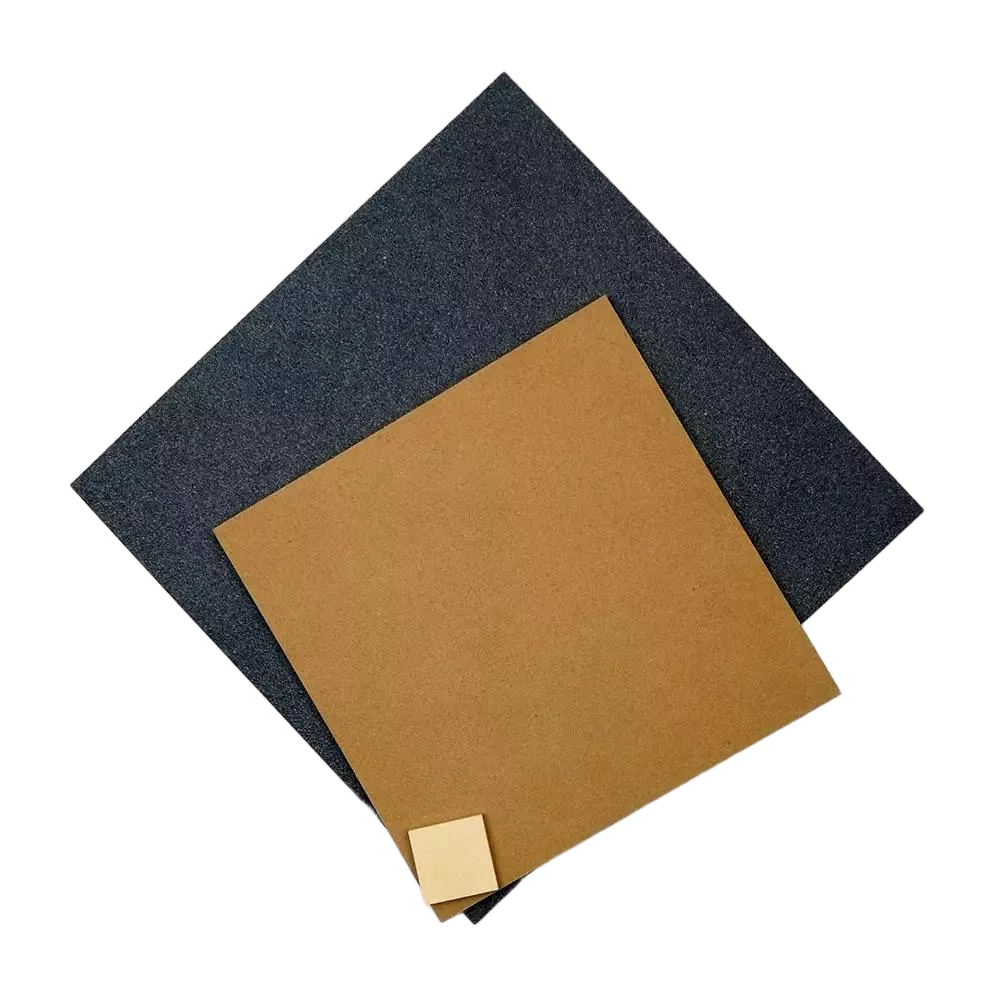

The range of Innovcera porous ceramic filters is made from aluminum oxide and silicon carbide. The strong, uniform porous ceramic has 40-50% open porosity with a tortuous pore structure and is available in pore sizes ranging from 1 to 100 microns.
Product Properties
Downloads & Resources
| Resource Type | Link |
|---|---|
| Catalogue | Porous Ceramics |
Product Details
Innova Supplies uses its deep ceramics expertise and process capabilities to manufacture ceramics with precisely controlled porosity. Porous ceramics are often used for chemical filtration and fluid separation.
The range of Innovacera porous ceramics is made from aluminum oxide and silicon carbide. The strong, uniform porous ceramic has 40-50% open porosity with a tortuous pore structure and is available in pore sizes ranging from 1 to 100 microns.
Three Main Applications of Porous Ceramic:
- Vacuum Chuck, such as a scribing machine vacuum chuck and a silicon wafer vacuum chuck.
- Adsorption platform.
- Suspension platform.
They are especially widely used in the semiconductor industry, such as LED wafer processing.
The micro-porous ceramic working disk is a specialized tool for adsorption and bearing in various semiconductor wafer production processes, and is used for thinning, dicing, cleaning, and handling.
They can be used with Japan, Germany, Israel, the United States, and domestic equipment, like Disco, ADT, K & S, Applied Materials TSK, OKAMOTO, Micro Automation, and Load Point.
The detailed regular sizes are as follows:
| Regular size | 6*6, 8*8, 12*12 inches | |
| Regular Tolerance (Length, Width) | +/-0.10 mm | |
| Regular Flatness | +/-0.10 mm | |
| Regular Surface Roughness | Ra 0.8-1.6 | |
| Alumina (Al2O3) | Pore Size | Color |
| 15μm | Light Brown | |
| 30μm | Brown | |
| 50μm | Blue-Gray | |
| 100μm | Blue-Gray | |
Alumina Porous Ceramic material chemical composition and performance metrics:
| Properties | Unit | Pore Ceramic |
| Al2O3 Content | wt% | ≥ 80 |
| SiO2 Content | wt% | 16-18 |
| Density | g /cm³ | 2.3-2.5 |
| Hardness (HRA) | HRA | ≥ 50 |
| Flexure strength | MPa | ≥ 40 |
| Compressive Strength | MPa | ≥ 600 |
| Porosity Factor | % | 40 |
| Work Pressure | MPa | ≤ 10 |
| Acid Resistance | mg/cm² | ≤ 10 |
| Alkali Resistance | mg/cm² | ≤ 20 |
Shipping & Customs
Your order may require payment of import duties or other customs clearance fees. Please check the notifications from the logistics company or relevant parties and complete the payment in time to prevent the shipment from being returned.
Frequently Asked Questions
Not necessarily. Vacuum holding performance depends on pore size together with the open area, vacuum level, workpiece contact area, leakage, and the characteristics of the workpiece surface. A smaller pore size may reduce airflow through the ceramic, but it should be selected according to the actual vacuum chuck design rather than used as the only selection factor.
For thin wafers and small workpieces, pore size should be selected based on the workpiece size, surface condition, required holding force, and allowable contact marks. Smaller pores can provide a finer porous surface, while the overall vacuum flow path and contact area still need to be considered.
Blocked pores can reduce local air permeability and cause uneven vacuum distribution across the working surface. Contamination from particles, slurry, dust, or processing residues should therefore be considered when using the plate in wafer processing and other precision applications.
It can be used as a porous contact surface for wafer support and vacuum holding, but the suitability depends on the wafer material, surface sensitivity, process conditions, and required surface cleanliness. The pore size and surface condition should be matched to the specific workpiece to minimize unwanted contact effects.
Plate thickness affects the internal flow path and the mechanical structure of the porous plate. A thicker plate may provide greater structural support, while the resulting airflow resistance should also be considered when designing the vacuum system.
Porous ceramics can be more sensitive to machining than dense alumina because machining may affect the porous structure. For plates requiring mounting holes, grooves, outer contours, or other structural features, the machining method and location should be evaluated together with the required pore structure and final application.
Related products
Price range: $120.00 through $1,300.00
Price range: $21.85 through $119.90
Original price was: $111.11.$100.00Current price is: $100.00.
Original price was: $9.72.$8.75Current price is: $8.75.
My History
No products in history.