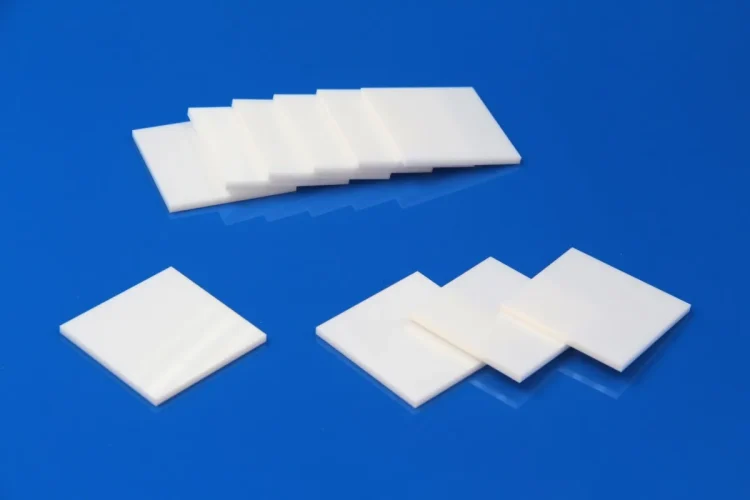
Boron nitride (BN) is a crystalline material composed of boron and nitrogen atoms, existing in several structural forms. It finds extensive use across diverse industries, including electrical engineering, metallurgy, chemical processing, aerospace, automotive, healthcare, laser technology, and, notably, the nuclear sector. Its combination of high thermal conductivity, electrical insulation, corrosion resistance, wear resistance, and lubricating properties makes it an indispensable material in these fields.
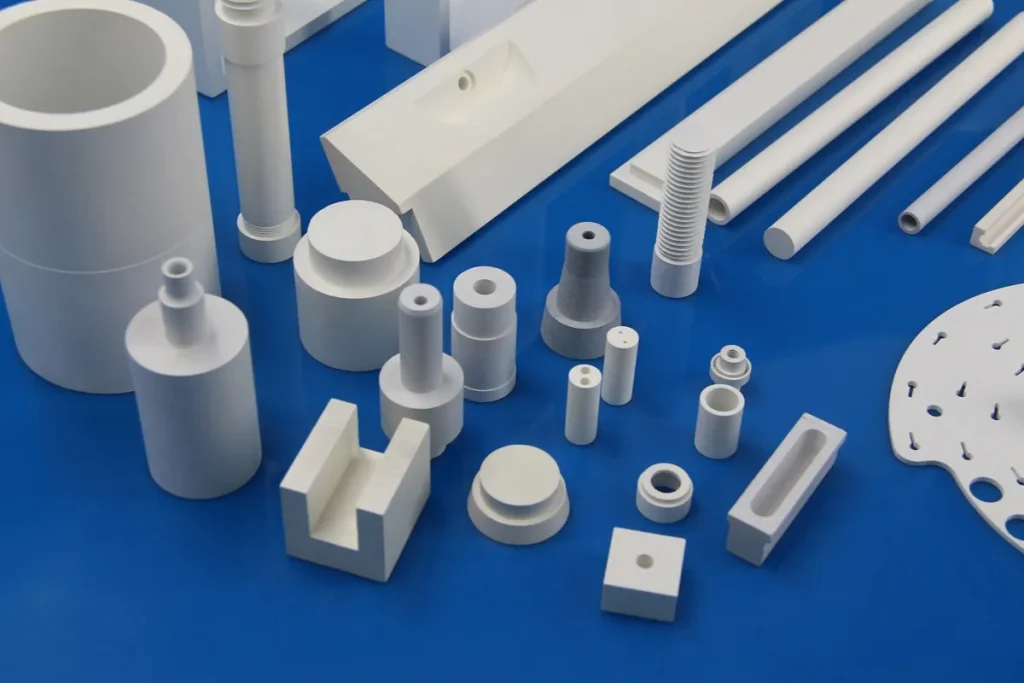
In the nuclear industry, boron nitride is particularly valued for the following properties:
- Neutron absorption: Boron nitride exhibits excellent neutron absorption capabilities, making it a key component in control rods for nuclear reactors. Hexagonal boron nitride (h-BN) derived from natural boron can achieve nearly 100% thermal neutron capture efficiency at a thickness of 1 mm.
- Lubrication: BN powder, typically a white, flaky microfine material, possesses good lubricity and is sometimes referred to as “white graphite.”
- Lightweight: Among ceramic materials, boron nitride is relatively low in density, offering advantages where weight reduction is important.
- High-temperature oxidation resistance: BN nanotubes and nanosheets are of great interest due to their excellent chemical stability, thermal conductivity, electrical insulation, neutron absorption, and resistance to oxidation at elevated temperatures.
Key nuclear applications of boron nitride include:
- Neutron-absorbing materials: Utilized in control rods to regulate reactor activity.
- Nuclear waste management: Employed in the treatment and safe storage of radioactive waste.
- Coatings for nuclear fuel elements: BN coatings enhance the heat and corrosion resistance of fuel rods.
- Materials for radioactive detectors: serve as functional materials for detecting radioactive substances.
- Fusion reactor components: Used as high-temperature, heat-resistant structural materials in nuclear fusion reactors.
Through these applications, boron nitride plays a critical role in improving safety, efficiency, and longevity in nuclear technologies while contributing to advances in reactor materials and waste management solutions.